
From refugee to Uganda's richest billionaire: How Sudhir Ruparelia built a ₹13,000 crore empire
His conglomerate, the Ruparelia Group, now spans dozens of companies and has played a major role in shaping Uganda’s private sector landscape.
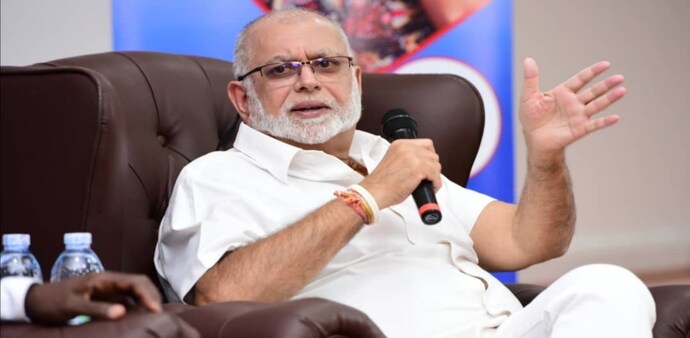
- Apr 12, 2026,
- Updated Apr 12, 2026 7:00 AM IST
From fleeing political turmoil to building a billion-dollar empire, the journey of Sudhir Ruparelia is one of resilience, timing, and sharp business instincts. Today, he stands as Uganda’s richest individual and one of Africa’s most prominent businessmen of Indian origin.
Born in 1956 in Uganda to an Indian family, Ruparelia’s early life was shaped by upheaval. In the 1970s, during the regime of Idi Amin, thousands of Asians were expelled from Uganda — including Ruparelia’s family.
Forced to relocate to the United Kingdom as refugees, the family had to rebuild from scratch. For the young Ruparelia, survival meant taking up odd jobs, including working as a taxi driver, to support himself.
Return to Uganda — With just $25,000
In the mid-1980s, as Uganda stabilised politically, Ruparelia returned with savings of about $25,000.
He began modestly — trading commodities like beer, salt, and sugar imported from neighbouring countries. This small trading venture would eventually evolve into the foundation of his business empire.
His early success came from identifying gaps in the market. At a time when Uganda’s economy was recovering from conflict, demand for basic goods and financial services was high — and supply was limited.
Building a Business Empire
Ruparelia expanded aggressively into financial services, setting up a foreign exchange business before launching Crane Bank in 1995. The bank quickly rose to become one of Uganda’s largest lenders.
Over time, he diversified into multiple sectors: Real estate, hospitality, education, insurance, floriculture.
His conglomerate, the Ruparelia Group, now spans dozens of companies and has played a major role in shaping Uganda’s private sector landscape.
Setbacks & Comebacks
Like many large business empires, Ruparelia’s journey has not been without challenges. In 2016, Uganda’s central bank took over Crane Bank due to regulatory issues, marking one of the biggest setbacks in his career.
However, his diversified investments — particularly in real estate and hospitality — helped him recover and maintain his position at the top.
Net worth & Wealth status
Ruparelia has consistently ranked as Uganda’s richest person, with estimates placing his net worth between $1.2 billion and $1.6 billion in recent years.
In Indian currency, that translates to roughly ₹10,000 crore to over ₹13,000 crore, depending on valuation and exchange rates.
His wealth is largely driven by: High-value commercial and residential real estate, hotels and resorts, education institutions, financial services investments.
Ruparelia’s story also reflects the broader economic influence of the Indian diaspora in East Africa. Despite being a small minority, Indian-origin families contribute significantly to Uganda’s economy, particularly in trade and industry.
From fleeing political turmoil to building a billion-dollar empire, the journey of Sudhir Ruparelia is one of resilience, timing, and sharp business instincts. Today, he stands as Uganda’s richest individual and one of Africa’s most prominent businessmen of Indian origin.
Born in 1956 in Uganda to an Indian family, Ruparelia’s early life was shaped by upheaval. In the 1970s, during the regime of Idi Amin, thousands of Asians were expelled from Uganda — including Ruparelia’s family.
Forced to relocate to the United Kingdom as refugees, the family had to rebuild from scratch. For the young Ruparelia, survival meant taking up odd jobs, including working as a taxi driver, to support himself.
Return to Uganda — With just $25,000
In the mid-1980s, as Uganda stabilised politically, Ruparelia returned with savings of about $25,000.
He began modestly — trading commodities like beer, salt, and sugar imported from neighbouring countries. This small trading venture would eventually evolve into the foundation of his business empire.
His early success came from identifying gaps in the market. At a time when Uganda’s economy was recovering from conflict, demand for basic goods and financial services was high — and supply was limited.
Building a Business Empire
Ruparelia expanded aggressively into financial services, setting up a foreign exchange business before launching Crane Bank in 1995. The bank quickly rose to become one of Uganda’s largest lenders.
Over time, he diversified into multiple sectors: Real estate, hospitality, education, insurance, floriculture.
His conglomerate, the Ruparelia Group, now spans dozens of companies and has played a major role in shaping Uganda’s private sector landscape.
Setbacks & Comebacks
Like many large business empires, Ruparelia’s journey has not been without challenges. In 2016, Uganda’s central bank took over Crane Bank due to regulatory issues, marking one of the biggest setbacks in his career.
However, his diversified investments — particularly in real estate and hospitality — helped him recover and maintain his position at the top.
Net worth & Wealth status
Ruparelia has consistently ranked as Uganda’s richest person, with estimates placing his net worth between $1.2 billion and $1.6 billion in recent years.
In Indian currency, that translates to roughly ₹10,000 crore to over ₹13,000 crore, depending on valuation and exchange rates.
His wealth is largely driven by: High-value commercial and residential real estate, hotels and resorts, education institutions, financial services investments.
Ruparelia’s story also reflects the broader economic influence of the Indian diaspora in East Africa. Despite being a small minority, Indian-origin families contribute significantly to Uganda’s economy, particularly in trade and industry.