
From washing dishes for ₹18 to ₹180 crore revenue: Jayaram Banan’s Sagar Ratna story
At the tender age of 13, Jayaram Banan took a bold step, leaving home with only a handful of money borrowed from his father's pocket after a failed school exam.
- Oct 8, 2026,
- Updated Oct 8, 2026 4:49 PM IST
At an age when most children are focused on school, Jayaram Banan left his home in Karnataka’s Udupi district after failing an examination. With little money and no clear plan, he boarded a bus to Mumbai and began a journey that would eventually make him one of North India’s best-known South Indian restaurant entrepreneurs.
According to a Moneycontrol report, Banan’s first job was at the Hindustan Organic Chemicals canteen in Panvel, where he washed dishes for a monthly salary of ₹18. Over the next eight years, he worked his way up from dishwasher to waiter, head waiter and manager. By the end of his stint, he was earning around ₹200 a month.
The experience gave Banan an understanding of kitchen operations, purchasing, customer service and staff management. These lessons later became the foundation of his restaurant business.
MUST READ: From ₹10 a day to ₹681 crore food empire: How PC Musthafa, a school dropout build iD Fresh Food?
Delhi became the turning point
Banan moved to Delhi in 1973 and soon took charge of a canteen at Central Electronics Ltd in Ghaziabad. He reportedly invested less than ₹2,000 in the venture and began operations with three cooks. The business helped him gain confidence as an independent food entrepreneur.
In 1986, after years of saving, Banan opened a 40-seater restaurant in Delhi’s Defence Colony market. Named ‘Sagar’, the outlet was started with approximately ₹5,000. Its menu featured popular South Indian staples such as idli, dosa and sambar.
The restaurant recorded sales of ₹408 on its first day, but high rent and operating costs made the initial months difficult. Banan reportedly worked from 7 am until midnight as business gradually grew. As demand increased, he added seating above the restaurant, yet customers continued to queue outside.
Building the Sagar Ratna brand
Banan expanded the business across Delhi and later acquired Woodlands in 1991. In 1999, Sagar Ratna opened its first franchise outlet in Ludhiana, marking the beginning of a wider North India expansion.
The company later attracted private-equity investment. In 2011, India Equity Partners acquired a majority stake, but Banan eventually bought back the investor’s holding and regained control of the chain in 2017.
Sagar Ratna has since expanded across India and international markets while continuing to focus on vegetarian cuisine and traditional recipes.
DON'T MISS: From ₹18 lakh debt to ₹2 crore: How Anushka and Virat's chole bhature order changed a restaurant's fate
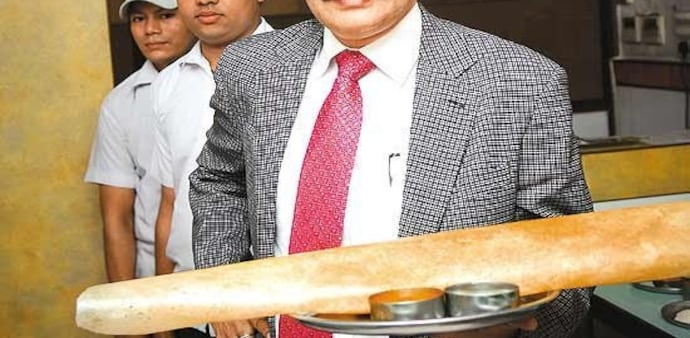
Moneycontrol reported that the company’s revenue rose to approximately ₹179.65 crore in FY25, with a profit after tax of ₹12.26 crore. From washing dishes for ₹18 a month to building a restaurant business worth nearly ₹180 crore in annual revenue, Banan’s journey has earned him the popular tag of North India’s ‘Dosa King’.
At an age when most children are focused on school, Jayaram Banan left his home in Karnataka’s Udupi district after failing an examination. With little money and no clear plan, he boarded a bus to Mumbai and began a journey that would eventually make him one of North India’s best-known South Indian restaurant entrepreneurs.
According to a Moneycontrol report, Banan’s first job was at the Hindustan Organic Chemicals canteen in Panvel, where he washed dishes for a monthly salary of ₹18. Over the next eight years, he worked his way up from dishwasher to waiter, head waiter and manager. By the end of his stint, he was earning around ₹200 a month.
The experience gave Banan an understanding of kitchen operations, purchasing, customer service and staff management. These lessons later became the foundation of his restaurant business.
MUST READ: From ₹10 a day to ₹681 crore food empire: How PC Musthafa, a school dropout build iD Fresh Food?
Delhi became the turning point
Banan moved to Delhi in 1973 and soon took charge of a canteen at Central Electronics Ltd in Ghaziabad. He reportedly invested less than ₹2,000 in the venture and began operations with three cooks. The business helped him gain confidence as an independent food entrepreneur.
In 1986, after years of saving, Banan opened a 40-seater restaurant in Delhi’s Defence Colony market. Named ‘Sagar’, the outlet was started with approximately ₹5,000. Its menu featured popular South Indian staples such as idli, dosa and sambar.
The restaurant recorded sales of ₹408 on its first day, but high rent and operating costs made the initial months difficult. Banan reportedly worked from 7 am until midnight as business gradually grew. As demand increased, he added seating above the restaurant, yet customers continued to queue outside.
Building the Sagar Ratna brand
Banan expanded the business across Delhi and later acquired Woodlands in 1991. In 1999, Sagar Ratna opened its first franchise outlet in Ludhiana, marking the beginning of a wider North India expansion.
The company later attracted private-equity investment. In 2011, India Equity Partners acquired a majority stake, but Banan eventually bought back the investor’s holding and regained control of the chain in 2017.
Sagar Ratna has since expanded across India and international markets while continuing to focus on vegetarian cuisine and traditional recipes.
DON'T MISS: From ₹18 lakh debt to ₹2 crore: How Anushka and Virat's chole bhature order changed a restaurant's fate
Moneycontrol reported that the company’s revenue rose to approximately ₹179.65 crore in FY25, with a profit after tax of ₹12.26 crore. From washing dishes for ₹18 a month to building a restaurant business worth nearly ₹180 crore in annual revenue, Banan’s journey has earned him the popular tag of North India’s ‘Dosa King’.