
Good Friday 2026: Why the day of Jesus Christ’s crucifixion is called ‘good’
Good Friday is part of the Paschal Triduum, the three-day period that includes Maundy Thursday, Good Friday, and Holy Saturday, culminating in Easter Sunday.
- Apr 3, 2026,
- Updated Apr 3, 2026 2:06 PM IST
Christians across the world observe Good Friday as one of the most solemn days in the Christian calendar. In 2026, Good Friday falls on April 3, two days before Easter Sunday.
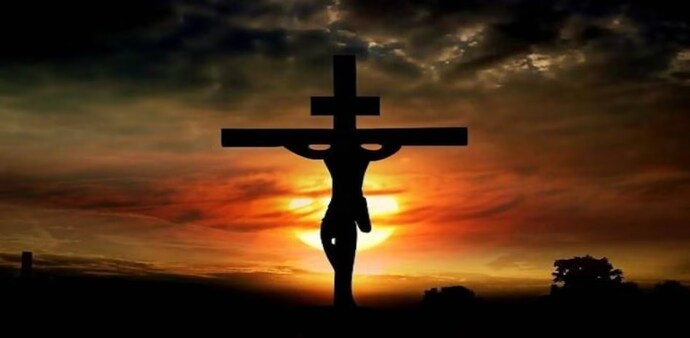
The day commemorates the crucifixion and death of Jesus Christ at Calvary, an event described in the New Testament of the Bible. It forms part of Holy Week, which marks the final days of Jesus’ life leading up to the celebration of Easter, the day believed to mark his resurrection.
Why Good Friday is observed
Good Friday marks the day when Jesus was arrested, tried, and sentenced to death by crucifixion — a brutal Roman method of execution. According to Christian belief, he willingly endured suffering and death to redeem humanity from sin, making the day central to the message of sacrifice, forgiveness, and salvation.
Though the events remembered are tragic, the day is called “Good” because Christians believe Jesus’ sacrifice ultimately brought hope and redemption to humanity. The crucifixion is therefore seen not just as a moment of suffering, but also as the foundation of Christian faith and the promise of eternal life.
Traditions and observances
Good Friday is traditionally marked by solemn rituals and prayer. Churches hold special services recalling the final hours of Jesus’ life, including scripture readings and reflections on his suffering. Many Christians observe fasting, abstain from celebrations, and spend the day in quiet reflection.
In several denominations, a special service is held from noon to 3 pm, believed to be the hours Jesus hung on the cross before his death. Devotees also take part in the Stations of the Cross, a devotional practice retracing the events leading up to the crucifixion.
Part of the Easter story
Good Friday is part of the Paschal Triduum, the three-day period that includes Maundy Thursday, Good Friday, and Holy Saturday, culminating in Easter Sunday. While Good Friday focuses on sorrow and sacrifice, Easter celebrates the resurrection of Jesus, symbolizing hope and victory over death.
Good Friday is widely observed by Christians of many denominations including Catholic, Orthodox, Anglican, and Protestant traditions. In countries with significant Christian populations, it is often recognised as a public holiday, allowing believers to attend church services and participate in religious observances.
Christians across the world observe Good Friday as one of the most solemn days in the Christian calendar. In 2026, Good Friday falls on April 3, two days before Easter Sunday.
The day commemorates the crucifixion and death of Jesus Christ at Calvary, an event described in the New Testament of the Bible. It forms part of Holy Week, which marks the final days of Jesus’ life leading up to the celebration of Easter, the day believed to mark his resurrection.
Why Good Friday is observed
Good Friday marks the day when Jesus was arrested, tried, and sentenced to death by crucifixion — a brutal Roman method of execution. According to Christian belief, he willingly endured suffering and death to redeem humanity from sin, making the day central to the message of sacrifice, forgiveness, and salvation.
Though the events remembered are tragic, the day is called “Good” because Christians believe Jesus’ sacrifice ultimately brought hope and redemption to humanity. The crucifixion is therefore seen not just as a moment of suffering, but also as the foundation of Christian faith and the promise of eternal life.
Traditions and observances
Good Friday is traditionally marked by solemn rituals and prayer. Churches hold special services recalling the final hours of Jesus’ life, including scripture readings and reflections on his suffering. Many Christians observe fasting, abstain from celebrations, and spend the day in quiet reflection.
In several denominations, a special service is held from noon to 3 pm, believed to be the hours Jesus hung on the cross before his death. Devotees also take part in the Stations of the Cross, a devotional practice retracing the events leading up to the crucifixion.
Part of the Easter story
Good Friday is part of the Paschal Triduum, the three-day period that includes Maundy Thursday, Good Friday, and Holy Saturday, culminating in Easter Sunday. While Good Friday focuses on sorrow and sacrifice, Easter celebrates the resurrection of Jesus, symbolizing hope and victory over death.
Good Friday is widely observed by Christians of many denominations including Catholic, Orthodox, Anglican, and Protestant traditions. In countries with significant Christian populations, it is often recognised as a public holiday, allowing believers to attend church services and participate in religious observances.