
ISRO launches new rocket SSLV-D2 from Sriharikota; all you need to know
Sharing the information, ISRO tweeted that SSLV-D2/EOS-07 mission has been successfully accomplished
- Feb 10, 2023,
- Updated Feb 10, 2023 11:39 AM IST
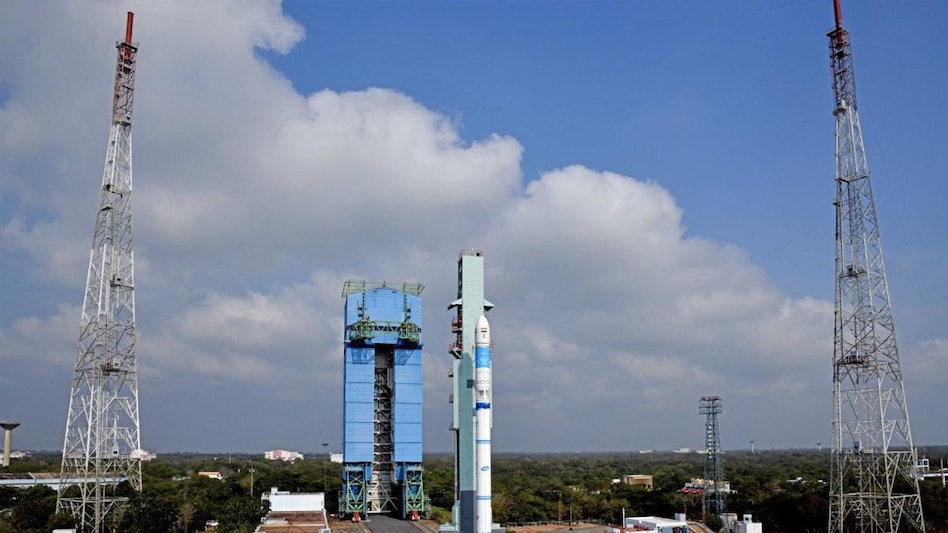
The Indian Space Research Organisation (ISRO), on Friday, successfully launched its second edition of the Small Satellite Launch Vehicle (SSLV-D2) from Sriharikota. The rocket was launched today in the morning at 9:18 am from the first launch pad of Satish Dhawan space centre at Sriharikota, Andhra Pradesh.
Sharing the information, ISRO tweeted that SSLV-D2/EOS-07 mission has been successfully accomplished.
The tweet reads, “SSLV-D2/EOS-07 Mission is accomplished successfully. SSLV-D2 placed EOS-07, Janus-1, and AzaadiSAT-2 into their intended orbits.”
ISRO shared that this new rocket will aim to put three satellites, namely ISRO's EOS-07, Chennai-based space startup SpaceKidz's AzaadiSAT-2 and US-based firm Antaris' Janus-1, into a 450 km circular orbit.
About SSLV-D2 and its launch:
ISRO tweeted on Wednesday, February 8th, “SSLV-D2/EOS-07 Mission: launch is scheduled for Feb 10, 2023, at 09:18 hrs IST from Sriharikota. Intended to inject EOS-07, Janus-1 & AzaadiSAT-2 satellites into a 450 km circular orbit Vehicle ready at the launch pad undergoing final phase checks.”
As per ISRO, the SSLV is designed to cater to the launch up to 500 kg satellites to low earth orbits on a 'launch-on-demand' basis. This rocket gives access to space at a very low cost and offers low turn-around time and flexibility in accommodating multiple satellites with minimal launch infrastructure.
SSLV is configured with a velocity terminal module and three solid propulsion stages.
The SSLV can lift off a mass of 120 tonnes and is 34 m tall and 2 m in diameter.
SSLV’s first test flight ended with partial failure on August 9 last year after the launch vehicle's upper stage injected the satellite into a highly elliptical unstable orbit due to a shortfall in velocity.
According to ISRO, further investigation revealed a vibration disturbance for a short duration on the Equipment Bay (EB) deck during the second stage separation.
The Indian Space Research Organisation (ISRO), on Friday, successfully launched its second edition of the Small Satellite Launch Vehicle (SSLV-D2) from Sriharikota. The rocket was launched today in the morning at 9:18 am from the first launch pad of Satish Dhawan space centre at Sriharikota, Andhra Pradesh.
Sharing the information, ISRO tweeted that SSLV-D2/EOS-07 mission has been successfully accomplished.
The tweet reads, “SSLV-D2/EOS-07 Mission is accomplished successfully. SSLV-D2 placed EOS-07, Janus-1, and AzaadiSAT-2 into their intended orbits.”
ISRO shared that this new rocket will aim to put three satellites, namely ISRO's EOS-07, Chennai-based space startup SpaceKidz's AzaadiSAT-2 and US-based firm Antaris' Janus-1, into a 450 km circular orbit.
About SSLV-D2 and its launch:
ISRO tweeted on Wednesday, February 8th, “SSLV-D2/EOS-07 Mission: launch is scheduled for Feb 10, 2023, at 09:18 hrs IST from Sriharikota. Intended to inject EOS-07, Janus-1 & AzaadiSAT-2 satellites into a 450 km circular orbit Vehicle ready at the launch pad undergoing final phase checks.”
As per ISRO, the SSLV is designed to cater to the launch up to 500 kg satellites to low earth orbits on a 'launch-on-demand' basis. This rocket gives access to space at a very low cost and offers low turn-around time and flexibility in accommodating multiple satellites with minimal launch infrastructure.
SSLV is configured with a velocity terminal module and three solid propulsion stages.
The SSLV can lift off a mass of 120 tonnes and is 34 m tall and 2 m in diameter.
SSLV’s first test flight ended with partial failure on August 9 last year after the launch vehicle's upper stage injected the satellite into a highly elliptical unstable orbit due to a shortfall in velocity.
According to ISRO, further investigation revealed a vibration disturbance for a short duration on the Equipment Bay (EB) deck during the second stage separation.