
'Middle class is just moral cover for wealth': Advisor redefines who’s really rich in India
She pointed out the paradox: families earning ₹30 lakh annually or sitting on crore-level assets still claim the “middle class” tag. The reason, she says, lies in how India moralizes wealth.
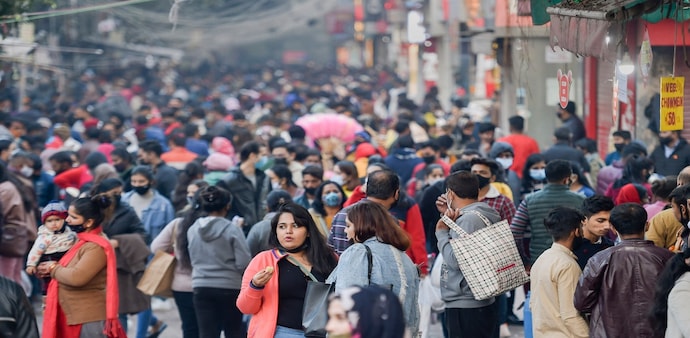
- Oct 30, 2025,
- Updated Oct 30, 2025 8:27 AM IST
Calling yourself "middle class" might be more about comfort than cash, says Dime founder and wealth advisor Chandralekha MR in a LinkedIn post challenging India’s deeply rooted financial self-image.
“Every Indian family says they’re middle class because it feels safer,” Chandralekha wrote. “Not too rich to be judged. Not too poor to be pitied.”
But that label, she argues, is outdated—and misleading. “The middle class isn’t a financial position anymore. It’s a psychological comfort zone,” she said, adding that families use it to avoid confronting their real economic standing.
Citing financial data, Chandralekha offered a blunt recalibration:
Below ₹1 crore in family net worth? Lower middle class.
- ₹1–2 crore? Middle class.
- ₹2–5 crore? Upper middle.
- ₹5 crore and above? Rich.
She pointed out the paradox: families earning ₹30 lakh annually or sitting on crore-level assets still claim the “middle class” tag. The reason, she says, lies in how India moralizes wealth.
“We associate ‘being rich’ with arrogance, and ‘being middle class’ with decency.”
This cultural narrative, according to her, glorifies survival over progress. “It keeps people proud of struggle, but blind to stagnation… It celebrates survival, not growth.”
Chandralekha’s post ends with a sharp question: “The next time you say ‘I’m middle class,’ ask yourself: are you describing your wealth or your worldview?”
Calling yourself "middle class" might be more about comfort than cash, says Dime founder and wealth advisor Chandralekha MR in a LinkedIn post challenging India’s deeply rooted financial self-image.
“Every Indian family says they’re middle class because it feels safer,” Chandralekha wrote. “Not too rich to be judged. Not too poor to be pitied.”
But that label, she argues, is outdated—and misleading. “The middle class isn’t a financial position anymore. It’s a psychological comfort zone,” she said, adding that families use it to avoid confronting their real economic standing.
Citing financial data, Chandralekha offered a blunt recalibration:
Below ₹1 crore in family net worth? Lower middle class.
- ₹1–2 crore? Middle class.
- ₹2–5 crore? Upper middle.
- ₹5 crore and above? Rich.
She pointed out the paradox: families earning ₹30 lakh annually or sitting on crore-level assets still claim the “middle class” tag. The reason, she says, lies in how India moralizes wealth.
“We associate ‘being rich’ with arrogance, and ‘being middle class’ with decency.”
This cultural narrative, according to her, glorifies survival over progress. “It keeps people proud of struggle, but blind to stagnation… It celebrates survival, not growth.”
Chandralekha’s post ends with a sharp question: “The next time you say ‘I’m middle class,’ ask yourself: are you describing your wealth or your worldview?”