
'Mumbai's biggest cultural shock was...': Bengaluru techie's viral post on contrasting auto-rickshaw culture
A LinkedIn post comparing everyday commuting experiences in Bengaluru and Mumbai has started a debate with thousands of social media users, between India’s two major metropolitan hubs
- Jun 9, 2026,
- Updated Jun 9, 2026 9:35 AM IST
A LinkedIn post comparing everyday commuting experiences in Bengaluru and Mumbai has started a debate with thousands of social media users, between India’s two major metropolitan hubs.
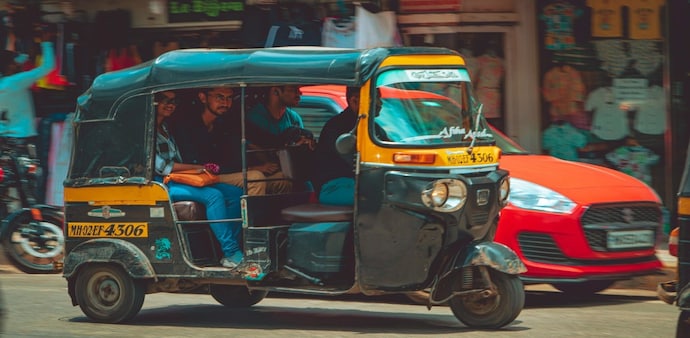
The post, shared by talent acquisition manager Mayank Kumar after relocating from Bengaluru to Mumbai, revealed that the biggest surprise he encountered was not the city’s expensive housing, humid weather, or traffic but the behaviour of auto-rickshaw drivers.
See the post here:
“Shifted from Bangalore to Mumbai recently. And unexpectedly… the biggest culture shock wasn’t traffic, weather, or rents. It was auto rickshaws,” Kumar wrote in his now-viral post.
Recalling his experience in Bengaluru, Kumar said getting an auto often felt like navigating a difficult selection process. “Booking or stopping an auto sometimes felt like clearing a final interview round,” he wrote, highlighting common commuter frustrations such as destination refusals, fare negotiations, and payment-related discussions.
READ THIS: Bengaluru's traffic Batman: How a techie turned commute frustration into AI helmet innovation
His perception changed after a recent incident in Mumbai. Staying at a hotel located away from the main road, Kumar was struggling to find transport when an auto-rickshaw driver stepped in to help. According to his account, the driver guided him to a location where he could easily find a ride and refused to take money for the assistance.
Social media reactions
The post quickly gained traction on LinkedIn, attracting comments from professionals, commuters, and residents who shared their own experiences of living in Mumbai. Users agreed with Kumar’s views, saying Mumbai’s auto-rickshaw ecosystem is generally more commuter-friendly because drivers frequently operate on metered fares and are less likely to refuse passengers. Others narrated personal stories about drivers helping tourists, returning lost items, or going out of their way to assist stranded commuters.
One user commented, “I am in Mumbai for last 2 years and worked or travelled many cities i can tell you that Mumbai auto drivers are most polite and on rare occasion they say no and always ride on meter. Most important most of them accept digital payment.”
Another user commented, “Some things in Mumbai make you just fall for it! My experience in Mumbai every single time I’ve spent time there for months was exactly the same. I was helped in multiple ways by so many strangers on local trains, auto, buses, cabs, markets, even on the roads is unimaginable. That city has my heart. And never forgetting how safe I feel there as a woman, it’s heavenly!”
A LinkedIn post comparing everyday commuting experiences in Bengaluru and Mumbai has started a debate with thousands of social media users, between India’s two major metropolitan hubs.
The post, shared by talent acquisition manager Mayank Kumar after relocating from Bengaluru to Mumbai, revealed that the biggest surprise he encountered was not the city’s expensive housing, humid weather, or traffic but the behaviour of auto-rickshaw drivers.
See the post here:
“Shifted from Bangalore to Mumbai recently. And unexpectedly… the biggest culture shock wasn’t traffic, weather, or rents. It was auto rickshaws,” Kumar wrote in his now-viral post.
Recalling his experience in Bengaluru, Kumar said getting an auto often felt like navigating a difficult selection process. “Booking or stopping an auto sometimes felt like clearing a final interview round,” he wrote, highlighting common commuter frustrations such as destination refusals, fare negotiations, and payment-related discussions.
READ THIS: Bengaluru's traffic Batman: How a techie turned commute frustration into AI helmet innovation
His perception changed after a recent incident in Mumbai. Staying at a hotel located away from the main road, Kumar was struggling to find transport when an auto-rickshaw driver stepped in to help. According to his account, the driver guided him to a location where he could easily find a ride and refused to take money for the assistance.
Social media reactions
The post quickly gained traction on LinkedIn, attracting comments from professionals, commuters, and residents who shared their own experiences of living in Mumbai. Users agreed with Kumar’s views, saying Mumbai’s auto-rickshaw ecosystem is generally more commuter-friendly because drivers frequently operate on metered fares and are less likely to refuse passengers. Others narrated personal stories about drivers helping tourists, returning lost items, or going out of their way to assist stranded commuters.
One user commented, “I am in Mumbai for last 2 years and worked or travelled many cities i can tell you that Mumbai auto drivers are most polite and on rare occasion they say no and always ride on meter. Most important most of them accept digital payment.”
Another user commented, “Some things in Mumbai make you just fall for it! My experience in Mumbai every single time I’ve spent time there for months was exactly the same. I was helped in multiple ways by so many strangers on local trains, auto, buses, cabs, markets, even on the roads is unimaginable. That city has my heart. And never forgetting how safe I feel there as a woman, it’s heavenly!”