
NASA Peregrine lunar mission halted due to space fuel leak
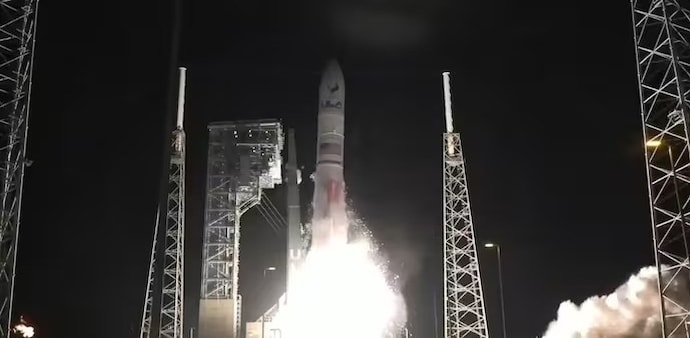
The spacecraft, which was the first US lunar lander launched in five decades, faced propulsion issues shortly after its successful launch from Florida on a United Launch Alliance Vulcan rocket.
- Jan 9, 2024,
- Updated Jan 9, 2024 2:19 PM IST
The journey of the Peregrine lunar lander, developed by Astrobotic Technology, has come to an abrupt halt due to a critical fuel leak. The spacecraft, which was the first US lunar lander launched in five decades, faced propulsion issues shortly after its launch from Florida on a United Launch Alliance Vulcan rocket.
Despite initial operations proceeding as expected, with the lander activating its avionics systems and successfully communicating with NASA's Deep Space Network, an unexpected anomaly occurred.
This issue caused the Peregrine lander to lose its sun-pointing orientation, which is crucial for charging its batteries through its solar panels. Although mission controllers managed to execute an improvised maneuver to reorient the solar panels towards the Sun, the underlying propulsion problem persisted.
Nasa, in a post revealed that said it is currently looking at the situation and said it would shed more light on the information as soon as it gets to know more about it.
"Each success and setback are opportunities to learn and grow," said Joel Kearns, deputy associate administrator for exploration at Nasa’s Science Mission Directorate in Washington.
"We will use this lesson to propel our efforts to advance science, exploration, and commercial development of the Moon," he added.
In an X post, Astrobotic stated an "ongoing propellant leak is causing the spacecraft's Attitude Control System (ACS) thrusters to operate well beyond their expected service life cyclesto keep the lander from an uncontrollable tumble."
"At this time, the goal is to get Peregrine as close to lunar distance as we can before it loses the ability to maintain its sun-pointing position and subsequently loses power," it added.
Astrobotic worked tirelessly to stabilize the situation, but the ongoing propellant loss meant that the thrusters of the lander's attitude control system had to work beyond their intended service life cycles. This effort was to prevent the lander from entering an uncontrollable tumble in space. The company estimated that the thrusters could only operate for about 40 more hours from the time of the statement.
As a result, the planned moon landing, initially scheduled for February 23, was no longer feasible. The new goal was to bring Peregrine as close to the moon as possible before it would inevitably lose power.
The Peregrine mission was part of NASA's Commercial Lunar Payload Services initiative, with Astrobotic having secured a $108 million contract. The mission aimed to demonstrate a cost-effective approach to lunar exploration, encouraging private sector competition.
Also Read: Planning a trip to Lakshadweep? See permit rules and cost for Indian citizens
The journey of the Peregrine lunar lander, developed by Astrobotic Technology, has come to an abrupt halt due to a critical fuel leak. The spacecraft, which was the first US lunar lander launched in five decades, faced propulsion issues shortly after its launch from Florida on a United Launch Alliance Vulcan rocket.
Despite initial operations proceeding as expected, with the lander activating its avionics systems and successfully communicating with NASA's Deep Space Network, an unexpected anomaly occurred.
This issue caused the Peregrine lander to lose its sun-pointing orientation, which is crucial for charging its batteries through its solar panels. Although mission controllers managed to execute an improvised maneuver to reorient the solar panels towards the Sun, the underlying propulsion problem persisted.
Nasa, in a post revealed that said it is currently looking at the situation and said it would shed more light on the information as soon as it gets to know more about it.
"Each success and setback are opportunities to learn and grow," said Joel Kearns, deputy associate administrator for exploration at Nasa’s Science Mission Directorate in Washington.
"We will use this lesson to propel our efforts to advance science, exploration, and commercial development of the Moon," he added.
In an X post, Astrobotic stated an "ongoing propellant leak is causing the spacecraft's Attitude Control System (ACS) thrusters to operate well beyond their expected service life cyclesto keep the lander from an uncontrollable tumble."
"At this time, the goal is to get Peregrine as close to lunar distance as we can before it loses the ability to maintain its sun-pointing position and subsequently loses power," it added.
Astrobotic worked tirelessly to stabilize the situation, but the ongoing propellant loss meant that the thrusters of the lander's attitude control system had to work beyond their intended service life cycles. This effort was to prevent the lander from entering an uncontrollable tumble in space. The company estimated that the thrusters could only operate for about 40 more hours from the time of the statement.
As a result, the planned moon landing, initially scheduled for February 23, was no longer feasible. The new goal was to bring Peregrine as close to the moon as possible before it would inevitably lose power.
The Peregrine mission was part of NASA's Commercial Lunar Payload Services initiative, with Astrobotic having secured a $108 million contract. The mission aimed to demonstrate a cost-effective approach to lunar exploration, encouraging private sector competition.
Also Read: Planning a trip to Lakshadweep? See permit rules and cost for Indian citizens