
'Paytm seen across world': Founder on how UPI model is powering Brazil's Pix, reshaping payments globally
His remarks came in response to US venture capitalist Bill Gurley, who criticised America’s slow progress in developing real-time payment
- Sep 30, 2025,
- Updated Sep 30, 2025 11:15 AM IST
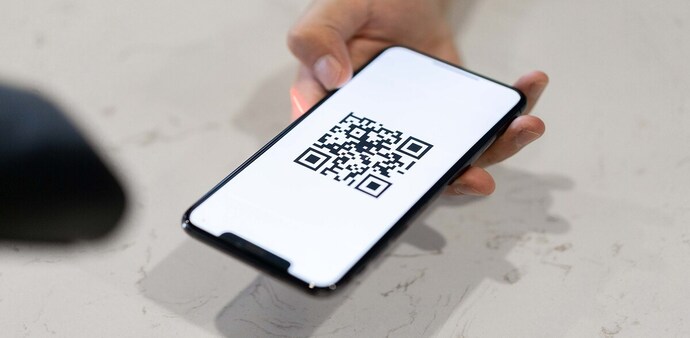
Paytm founder Vijay Shekhar Sharma has said that the digital payments model pioneered in India is now shaping systems across the world, citing UPI at home and Brazil’s Pix as examples of how QR-based merchant payments are transforming commerce. His remarks came in response to US venture capitalist Bill Gurley, who criticised America’s slow progress in developing real-time payments.
On X, Gurley wrote, “US should be embarrassed we are a tech laggard to Brazil. PIX is what FedNow wants to be. India, China, UK and many other countries have had a system exactly like Pix for years and years. Study PIX. Way better than what we have in US. FPS in UK launched 17 years ago. Captured.”
Responding to the post, Sharma said Paytm’s architecture has been central to India’s digital payments revolution and is now being replicated globally. “What we started as Paytm is seen across the world now. As UPI in India or Pix in Brazil. IMO, merchant QR solves the cost of merchant to a dramatically low level. It avoids huge POS capex as card systems needed. It is what the developing world can contribute to developed nations,” he wrote.
He explained that Paytm’s model of placing “compute + Network on the consumer side (in mobile)” eliminates barriers that traditional card-based systems create. “It is this architecture that forces the low end of consumers and merchants off the modern payment systems. And in India, Brazil, or various other SEA countries, mobile QR payments are a way of life!” Sharma added.
His comments underscore how UPI, now powering billions of monthly transactions in India, and similar QR-based systems in Brazil and Southeast Asia, have lowered costs for merchants while boosting financial inclusion—contrasting sharply with the US, where adoption of real-time systems has lagged.
Paytm founder Vijay Shekhar Sharma has said that the digital payments model pioneered in India is now shaping systems across the world, citing UPI at home and Brazil’s Pix as examples of how QR-based merchant payments are transforming commerce. His remarks came in response to US venture capitalist Bill Gurley, who criticised America’s slow progress in developing real-time payments.
On X, Gurley wrote, “US should be embarrassed we are a tech laggard to Brazil. PIX is what FedNow wants to be. India, China, UK and many other countries have had a system exactly like Pix for years and years. Study PIX. Way better than what we have in US. FPS in UK launched 17 years ago. Captured.”
Responding to the post, Sharma said Paytm’s architecture has been central to India’s digital payments revolution and is now being replicated globally. “What we started as Paytm is seen across the world now. As UPI in India or Pix in Brazil. IMO, merchant QR solves the cost of merchant to a dramatically low level. It avoids huge POS capex as card systems needed. It is what the developing world can contribute to developed nations,” he wrote.
He explained that Paytm’s model of placing “compute + Network on the consumer side (in mobile)” eliminates barriers that traditional card-based systems create. “It is this architecture that forces the low end of consumers and merchants off the modern payment systems. And in India, Brazil, or various other SEA countries, mobile QR payments are a way of life!” Sharma added.
His comments underscore how UPI, now powering billions of monthly transactions in India, and similar QR-based systems in Brazil and Southeast Asia, have lowered costs for merchants while boosting financial inclusion—contrasting sharply with the US, where adoption of real-time systems has lagged.