
'Potholes bigger enemy than Pakistan': Bengaluru traffic costs ₹60,000 crore, says startup founder
Bengaluru ranks as the third slowest city globally, with average speeds crawling at 10 km in 34 minutes. Mumbai and Delhi show similar patterns. In contrast, Tokyo clocks the same distance in just 12 minutes.
- Sep 19, 2025,
- Updated Sep 19, 2025 7:43 AM IST
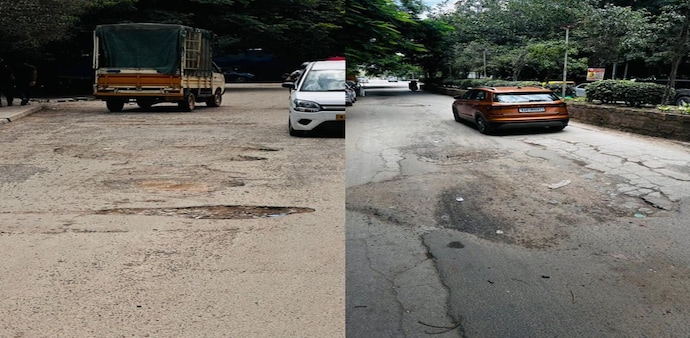
India loses over ₹60,000 crore annually to traffic congestion and pothole-ridden roads—more than its defense budget for countering Pakistan, claims Zippee CEO Madhav Kasturia in a sharp LinkedIn post that spotlights Bengaluru as a case study in urban failure.
“Governments can keep tweeting ‘smart cities.’ The truth is, we’re running on dumb roads,” wrote Kasturia, pointing to the capital drain from traffic delays, poor logistics, and crumbling infrastructure in India’s urban hubs.
Citing the recent exit of BlackBuck co-founder Rajesh Yabaji from Bengaluru’s Outer Ring Road after nine years due to unbearable commutes, Kasturia argues that traffic is now directly pushing businesses out of major metros. “That’s business, leaving a city,” he noted.
The data paints a bleaker picture: Bengaluru ranks as the third slowest city globally, with average speeds crawling at 10 km in 34 minutes. Mumbai and Delhi show similar patterns. In contrast, Tokyo clocks the same distance in just 12 minutes.
India’s average commute stands at 59 minutes one way, or nearly 2 hours daily per worker. Multiply that across an estimated 100 million urban professionals, and productivity losses snowball into tens of thousands of crores each year.
Kasturia doesn’t stop at commutes—he calls out inefficiencies in freight logistics too. “Indian trucks average 300 km/day. In the US, it’s 800,” he said, stressing that every extra hour in transit inflates costs across daily essentials—from food to e-commerce.
He warns that burnout, attrition, and hiring challenges are no longer just HR issues—they’re symptoms of failed infrastructure. “Cities don’t lose startups because of taxes. They lose them because people can’t show up sane.”
The kicker: Bengaluru was already losing ₹1,170 crore annually to congestion in 2018. Today’s losses, he suggests, are even higher. “That’s the real war.”
India loses over ₹60,000 crore annually to traffic congestion and pothole-ridden roads—more than its defense budget for countering Pakistan, claims Zippee CEO Madhav Kasturia in a sharp LinkedIn post that spotlights Bengaluru as a case study in urban failure.
“Governments can keep tweeting ‘smart cities.’ The truth is, we’re running on dumb roads,” wrote Kasturia, pointing to the capital drain from traffic delays, poor logistics, and crumbling infrastructure in India’s urban hubs.
Citing the recent exit of BlackBuck co-founder Rajesh Yabaji from Bengaluru’s Outer Ring Road after nine years due to unbearable commutes, Kasturia argues that traffic is now directly pushing businesses out of major metros. “That’s business, leaving a city,” he noted.
The data paints a bleaker picture: Bengaluru ranks as the third slowest city globally, with average speeds crawling at 10 km in 34 minutes. Mumbai and Delhi show similar patterns. In contrast, Tokyo clocks the same distance in just 12 minutes.
India’s average commute stands at 59 minutes one way, or nearly 2 hours daily per worker. Multiply that across an estimated 100 million urban professionals, and productivity losses snowball into tens of thousands of crores each year.
Kasturia doesn’t stop at commutes—he calls out inefficiencies in freight logistics too. “Indian trucks average 300 km/day. In the US, it’s 800,” he said, stressing that every extra hour in transit inflates costs across daily essentials—from food to e-commerce.
He warns that burnout, attrition, and hiring challenges are no longer just HR issues—they’re symptoms of failed infrastructure. “Cities don’t lose startups because of taxes. They lose them because people can’t show up sane.”
The kicker: Bengaluru was already losing ₹1,170 crore annually to congestion in 2018. Today’s losses, he suggests, are even higher. “That’s the real war.”