
₹1.34 lakh for iPhone 17 Pro? Analyst breaks down why India pays the most
Despite ‘Make in India’ initiatives, most high-end iPhones are still imported, triggering full import levies.
- Oct 1, 2025,
- Updated Oct 1, 2025 1:08 PM IST
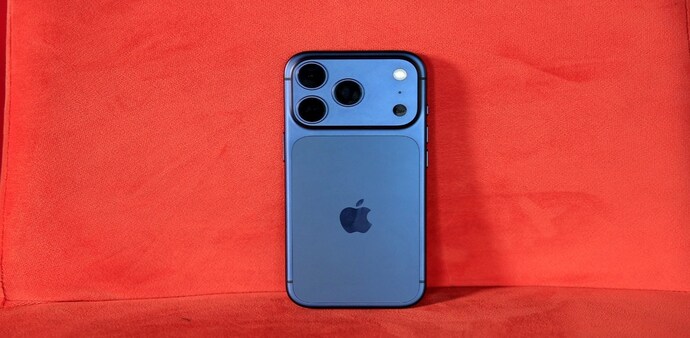
India pays the highest price for the iPhone 17 Pro (256GB) at ₹1,34,900—up to ₹50,000 more than in countries like the US, Japan, or Singapore, according to a LinkedIn post by research analyst Sujay U.
The post compares Indian pricing with:
⦁ USA: ₹96,900 ⦁ Japan: ₹85,600 ⦁ Singapore: ₹91,200 ⦁ UAE: ₹98,200
Despite Apple counting India as one of its fastest-growing markets, Indian consumers shoulder the world’s steepest price tag for the same device. Sujay outlines four reasons behind the premium:
Import duties & GST: India imposes high taxes on imported electronics, directly inflating retail prices.
Lack of large-scale local manufacturing: Despite ‘Make in India’ initiatives, most high-end iPhones are still imported, triggering full import levies.
Luxury positioning: Apple treats India as an aspirational market, pricing products for exclusivity, not affordability.
Currency depreciation: A weaker rupee versus the US dollar worsens the price disparity.
“The irony is that India is one of Apple’s fastest-growing markets, but Indians end up paying the steepest price globally,” Sujay wrote.
He says the pricing gap reflects deeper structural challenges: policy loopholes, tax-heavy import frameworks, and underdeveloped local manufacturing. His final question hits hard: “Shouldn’t a country with such a huge youth population and smartphone demand get better pricing power?”
India pays the highest price for the iPhone 17 Pro (256GB) at ₹1,34,900—up to ₹50,000 more than in countries like the US, Japan, or Singapore, according to a LinkedIn post by research analyst Sujay U.
The post compares Indian pricing with:
⦁ USA: ₹96,900 ⦁ Japan: ₹85,600 ⦁ Singapore: ₹91,200 ⦁ UAE: ₹98,200
Despite Apple counting India as one of its fastest-growing markets, Indian consumers shoulder the world’s steepest price tag for the same device. Sujay outlines four reasons behind the premium:
Import duties & GST: India imposes high taxes on imported electronics, directly inflating retail prices.
Lack of large-scale local manufacturing: Despite ‘Make in India’ initiatives, most high-end iPhones are still imported, triggering full import levies.
Luxury positioning: Apple treats India as an aspirational market, pricing products for exclusivity, not affordability.
Currency depreciation: A weaker rupee versus the US dollar worsens the price disparity.
“The irony is that India is one of Apple’s fastest-growing markets, but Indians end up paying the steepest price globally,” Sujay wrote.
He says the pricing gap reflects deeper structural challenges: policy loopholes, tax-heavy import frameworks, and underdeveloped local manufacturing. His final question hits hard: “Shouldn’t a country with such a huge youth population and smartphone demand get better pricing power?”