
'₹80 lakh Mercedes on ₹2 lakh salaries...': How YOLO culture is fuelling risky financial choices
A viral social media post claimed that buyers earning ₹1.4-2 lakh a month are purchasing vehicles priced at ₹60-80 lakh. These customers typically make down payments of ₹7-9 lakh and rely heavily on loans to fund the rest.
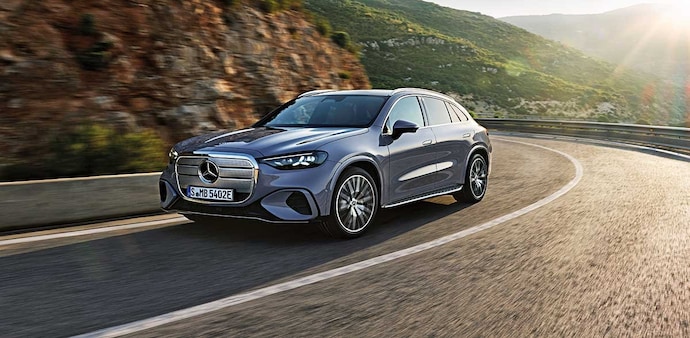
- Oct 12, 2025,
- Updated Oct 12, 2025 9:19 PM IST
A Reddit post describing how young Indians with modest salaries are buying luxury cars has ignited a heated debate exposing the deep financial risks some are taking in pursuit of aspirational lifestyles.
The post’s author recounted a visit to a Mercedes-Benz showroom, where he learned that buyers earning ₹1.4-2 lakh a month are purchasing vehicles priced at ₹60-80 lakh. These customers typically make down payments of ₹7-9 lakh and rely heavily on loans to fund the rest. “Signing up for a seven-year slavery contract just to look rich — this isn’t ambition anymore, it’s financial self-sabotage disguised as YOLO,” the post read.
The viral thread sparked a flood of similar anecdotes. One user said, “Our maid’s son got a job as a salesman with a ₹20,000 salary, and in his first month, he paid ₹15,000 as a down payment for a Royal Enfield Meteor 350. They didn’t even have a fridge or a cooler at home.”
Another commenter added, “Same thing happened with our maid’s son. He first bought an iPhone, then a ₹2 lakh bike. I guess it’s their decision.”
Referencing economist Abhijit Banerjee’s work, a user noted that people near the poverty line often spend extra income on what they consider luxury goods.
However, the thread wasn’t one-sided. Some pointed out that not every flashy purchase is reckless. “There’s a thing called generational wealth,” one user wrote, highlighting how some young buyers come from financially secure families and don't need to prioritise savings.
Another explained that many young professionals live with their parents, freeing up disposable income for personal indulgences: “Food, housing, and utilities are taken care of. They could invest, sure, but many choose to spend it on themselves instead.”
A Reddit post describing how young Indians with modest salaries are buying luxury cars has ignited a heated debate exposing the deep financial risks some are taking in pursuit of aspirational lifestyles.
The post’s author recounted a visit to a Mercedes-Benz showroom, where he learned that buyers earning ₹1.4-2 lakh a month are purchasing vehicles priced at ₹60-80 lakh. These customers typically make down payments of ₹7-9 lakh and rely heavily on loans to fund the rest. “Signing up for a seven-year slavery contract just to look rich — this isn’t ambition anymore, it’s financial self-sabotage disguised as YOLO,” the post read.
The viral thread sparked a flood of similar anecdotes. One user said, “Our maid’s son got a job as a salesman with a ₹20,000 salary, and in his first month, he paid ₹15,000 as a down payment for a Royal Enfield Meteor 350. They didn’t even have a fridge or a cooler at home.”
Another commenter added, “Same thing happened with our maid’s son. He first bought an iPhone, then a ₹2 lakh bike. I guess it’s their decision.”
Referencing economist Abhijit Banerjee’s work, a user noted that people near the poverty line often spend extra income on what they consider luxury goods.
However, the thread wasn’t one-sided. Some pointed out that not every flashy purchase is reckless. “There’s a thing called generational wealth,” one user wrote, highlighting how some young buyers come from financially secure families and don't need to prioritise savings.
Another explained that many young professionals live with their parents, freeing up disposable income for personal indulgences: “Food, housing, and utilities are taken care of. They could invest, sure, but many choose to spend it on themselves instead.”