
₹800 DIY roof cooling hack! Can this simple coating reduce heat by 15°C?
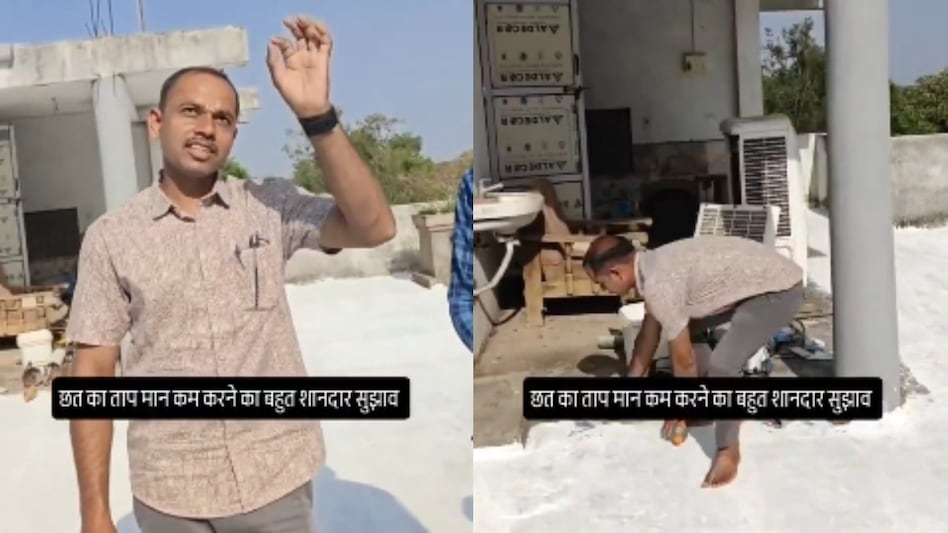
A viral video claims that a DIY roof coating costing less than ₹800 can reduce roof temperatures by as much as 15°C, offering relief even when outdoor temperatures reach 45°C
- Jun 4, 2026,
- Updated Jun 4, 2026 1:18 PM IST
As temperatures soar across India and air conditioners become increasingly expensive to buy and run, a low-cost rooftop cooling method has captured widespread attention online. A viral video claims that a DIY roof coating costing less than ₹800 can reduce roof temperatures by as much as 15°C, offering relief even when outdoor temperatures reach 45°C.
Dinesh K Sen, a X user behind the viral demonstration, argues that instead of spending 30,000 on an air conditioner, homeowners can use a reflective coating on their rooftops to reduce heat absorption and keep indoor spaces cooler.
What Materials Are Needed?
According to the video, the cooling mixture requires 20 kg of white lime powder (chuna), around 50 litres of water, Fevicol binder, and Dr Fixit URP (Universal Repair Polymer) waterproofing compound. The total cost of the materials reportedly comes to around ₹800-850.
Process of making a roof coating
The roof-cooling process starts by mixing lime powder with about 50 litres of water and leaving it overnight to dissolve completely. The next day, around 5 kg of Fevicol binder is added to improve adhesion, followed by a waterproofing compound such as Dr Fixit URP to enhance durability and water resistance.
The mixture is stirred thoroughly until it reaches a smooth, uniform consistency. Before application, the roof is cleaned to remove dust, dirt and loose particles. The coating is then applied evenly using brushes or rollers, often in multiple layers. Once dried under sunlight, it forms a reflective white surface that reduces heat absorption and helps keep indoor spaces cooler.
Science behind it
The principle behind this method is simple: white surfaces reflect a large portion of incoming sunlight rather than absorbing it, which helps keep the roof cooler and reduces the amount of heat transferred into the building below. Research on cool-roof technologies has consistently shown that reflective coatings can lower roof surface temperatures, improve indoor thermal comfort, and reduce energy consumption. Studies conducted in India have also demonstrated measurable cooling benefits, with pilot projects in schools in Tamil Nadu reporting indoor temperature reductions of around 3–4°C.
As temperatures soar across India and air conditioners become increasingly expensive to buy and run, a low-cost rooftop cooling method has captured widespread attention online. A viral video claims that a DIY roof coating costing less than ₹800 can reduce roof temperatures by as much as 15°C, offering relief even when outdoor temperatures reach 45°C.
Dinesh K Sen, a X user behind the viral demonstration, argues that instead of spending 30,000 on an air conditioner, homeowners can use a reflective coating on their rooftops to reduce heat absorption and keep indoor spaces cooler.
What Materials Are Needed?
According to the video, the cooling mixture requires 20 kg of white lime powder (chuna), around 50 litres of water, Fevicol binder, and Dr Fixit URP (Universal Repair Polymer) waterproofing compound. The total cost of the materials reportedly comes to around ₹800-850.
Process of making a roof coating
The roof-cooling process starts by mixing lime powder with about 50 litres of water and leaving it overnight to dissolve completely. The next day, around 5 kg of Fevicol binder is added to improve adhesion, followed by a waterproofing compound such as Dr Fixit URP to enhance durability and water resistance.
The mixture is stirred thoroughly until it reaches a smooth, uniform consistency. Before application, the roof is cleaned to remove dust, dirt and loose particles. The coating is then applied evenly using brushes or rollers, often in multiple layers. Once dried under sunlight, it forms a reflective white surface that reduces heat absorption and helps keep indoor spaces cooler.
Science behind it
The principle behind this method is simple: white surfaces reflect a large portion of incoming sunlight rather than absorbing it, which helps keep the roof cooler and reduces the amount of heat transferred into the building below. Research on cool-roof technologies has consistently shown that reflective coatings can lower roof surface temperatures, improve indoor thermal comfort, and reduce energy consumption. Studies conducted in India have also demonstrated measurable cooling benefits, with pilot projects in schools in Tamil Nadu reporting indoor temperature reductions of around 3–4°C.