
‘Slapgate’ shocker: Sreesanth alleges Harbhajan profited ₹1 crore from 2008 incident
The episode, often referred to as the IPL Slapgate 2008, led to immediate disciplinary action. Harbhajan Singh was banned for the rest of the tournament and faced widespread criticism from fans and former players.
- Apr 25, 2026,
- Updated Apr 25, 2026 6:13 PM IST
The long-buried controversy from the inaugural season of the Indian Premier League has resurfaced, after former India pacer S. Sreesanth alleged that Harbhajan Singh “made around ₹1 crore” from the infamous ‘Slapgate’ incident of 2008 — a claim that has reignited debate around one of Indian cricket’s most controversial moments.
Speaking in a recent interaction, Sreesanth suggested that the fallout of the altercation — which saw Harbhajan banned for the remainder of the season — may have indirectly benefited the off-spinner financially. While he did not provide detailed evidence for the figure, the remark has added a new layer to a controversy that has largely been viewed through the lens of discipline and sportsmanship rather than financial implications.
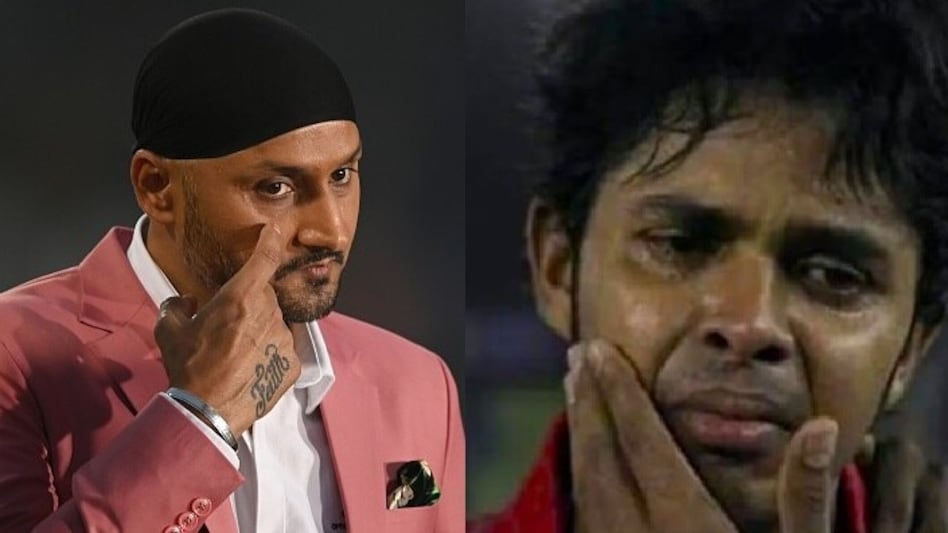
The incident, which took place during the first IPL season, involved Harbhajan allegedly slapping Sreesanth after a match between Mumbai Indians and Kings XI Punjab. Television visuals of a teary Sreesanth became one of the defining images of early IPL drama.
What was the ‘Slapgate’?
The episode, often referred to as the IPL Slapgate 2008, led to immediate disciplinary action. Harbhajan Singh was banned for the rest of the tournament and faced widespread criticism from fans and former players. The Board of Control for Cricket in India (BCCI) took a strong stance, emphasizing zero tolerance for on-field misconduct.
Sreesanth, then a rising fast bowler, became a sympathetic figure in the aftermath, while Harbhajan’s reputation took a temporary hit despite his stature in Indian cricket.
Why the claim matters now
Sreesanth’s latest remark shifts the conversation from the emotional and disciplinary aspects of the incident to its potential commercial consequences. The IPL, even in its first season, was already a high-stakes financial ecosystem, with player contracts, endorsements, and visibility playing a crucial role in earnings.
If Sreesanth’s claim gains traction, it could prompt questions about how controversies — even negative ones — can sometimes translate into increased visibility and, potentially, financial gains for players.
As of now, Harbhajan Singh has not publicly responded to the allegation. The former India spinner, who later transitioned into commentary and media roles, has previously expressed regret over the incident, calling it a mistake made in the heat of the moment.
Meanwhile, Aam Aadmi Party workers today protested outside cricketer-turned-politician Harbhajan Singh’s residence, a day after he, along with six other MPs, quit the party and joined the Bharatiya Janata Party.
The protesters sprayed the word “gaddar” (traitor) in black paint on the compound walls of his bungalow, while several party workers staged a protest outside his Jalandhar residence wearing black blindfolds.
The long-buried controversy from the inaugural season of the Indian Premier League has resurfaced, after former India pacer S. Sreesanth alleged that Harbhajan Singh “made around ₹1 crore” from the infamous ‘Slapgate’ incident of 2008 — a claim that has reignited debate around one of Indian cricket’s most controversial moments.
Speaking in a recent interaction, Sreesanth suggested that the fallout of the altercation — which saw Harbhajan banned for the remainder of the season — may have indirectly benefited the off-spinner financially. While he did not provide detailed evidence for the figure, the remark has added a new layer to a controversy that has largely been viewed through the lens of discipline and sportsmanship rather than financial implications.
The incident, which took place during the first IPL season, involved Harbhajan allegedly slapping Sreesanth after a match between Mumbai Indians and Kings XI Punjab. Television visuals of a teary Sreesanth became one of the defining images of early IPL drama.
What was the ‘Slapgate’?
The episode, often referred to as the IPL Slapgate 2008, led to immediate disciplinary action. Harbhajan Singh was banned for the rest of the tournament and faced widespread criticism from fans and former players. The Board of Control for Cricket in India (BCCI) took a strong stance, emphasizing zero tolerance for on-field misconduct.
Sreesanth, then a rising fast bowler, became a sympathetic figure in the aftermath, while Harbhajan’s reputation took a temporary hit despite his stature in Indian cricket.
Why the claim matters now
Sreesanth’s latest remark shifts the conversation from the emotional and disciplinary aspects of the incident to its potential commercial consequences. The IPL, even in its first season, was already a high-stakes financial ecosystem, with player contracts, endorsements, and visibility playing a crucial role in earnings.
If Sreesanth’s claim gains traction, it could prompt questions about how controversies — even negative ones — can sometimes translate into increased visibility and, potentially, financial gains for players.
As of now, Harbhajan Singh has not publicly responded to the allegation. The former India spinner, who later transitioned into commentary and media roles, has previously expressed regret over the incident, calling it a mistake made in the heat of the moment.
Meanwhile, Aam Aadmi Party workers today protested outside cricketer-turned-politician Harbhajan Singh’s residence, a day after he, along with six other MPs, quit the party and joined the Bharatiya Janata Party.
The protesters sprayed the word “gaddar” (traitor) in black paint on the compound walls of his bungalow, while several party workers staged a protest outside his Jalandhar residence wearing black blindfolds.