
'They answer the phone even at...': Emaar founder reveals why he likes to hire Indians
Alabbar's comment about Indian employees was direct and specific. "The harder you work, the luckier you will get," he said
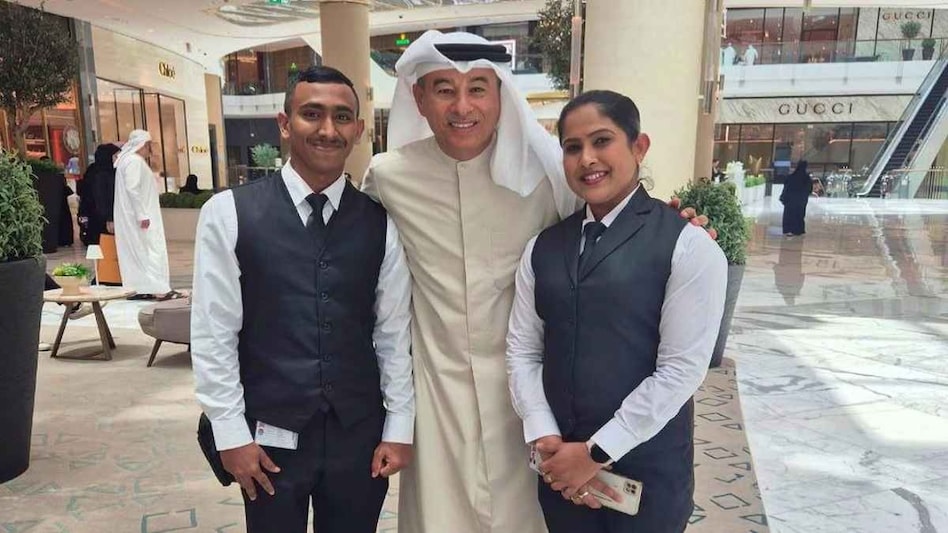
- May 8, 2026,
- Updated May 8, 2026 9:50 AM IST
Speaking at the Make it in the Emirates summit in Abu Dhabi, the Founder and Managing Director of Emaar Properties, Mohamed Alabbar, used his preference for Indian talent to make a broader point about the culture that helps companies survive not one crisis, but several.
"I always tell people, from my own perspective, my IQ is average, but my hard work is the best," Alabbar said. "I believe in hard work."
Why Indians make the list
Alabbar's comment about Indian employees was direct and specific. "The harder you work, the luckier you will get," he said. "There's a saying, hard work beats talent when talent fails to work hard, and this is why I like to hire Indians, because they answer the phone even at one o'clock in the morning."
For Alabbar, hard work is not a vague virtue; it is an operational requirement. "You need to check your work. You need to study every opportunity and know where to take risks and bring people and monitor their work and keep pushing," he said.
Crisis as a teacher
Alabbar's resilience philosophy has been stress-tested across multiple downturns, the 1997 Asian financial crisis, the 2008 crash, the Covid pandemic and the most recent regional disruption. Each one, he said, reinforced the same lesson: you cannot build resilience after the shock has already arrived.
"What happened recently was not expected, and our country showed its steadfastness and the resilience of its planning under the directives of our leadership, so we managed to successfully survive," he said.
He described 1997 as the moment that first shaped his approach. Caught in Singapore during a period of severe financial stress, he watched liquidity evaporate almost overnight. "I started learning from 1997," he said. "I remember situation was very difficult. We took a loan from the bank, and then the bankers said we need our money back." The commodities, he recalled, were sitting in storage with no buyers. "The commodities, they are at the store, there is no customers."
"There was hard lesson for everyone. We had some hard lessons during Covid pandemic as well as other crises," he said. "When you learn from 2008 and from Covid, you have to build an agile and resilient business that can handle these circumstances."
How Emaar responded to the latest crisis
When the most recent crisis hit, Alabbar said Emaar's first move was to communicate clearly with its workforce. "In the first week, we sent emails to everyone, all the employees. We told them, we are not laying off any one of the workforce. We are not cutting their salaries," he said.
The decision was driven by both principle and precedent, lessons from previous crises and a sense of responsibility that Alabbar believes UAE businesses feel toward their people and their country's leadership. "We care about our reputation among society in front of our leadership," he said. "It's important for us to always be up to this or to live up to these names and the name of our country."
Speaking at the Make it in the Emirates summit in Abu Dhabi, the Founder and Managing Director of Emaar Properties, Mohamed Alabbar, used his preference for Indian talent to make a broader point about the culture that helps companies survive not one crisis, but several.
"I always tell people, from my own perspective, my IQ is average, but my hard work is the best," Alabbar said. "I believe in hard work."
Why Indians make the list
Alabbar's comment about Indian employees was direct and specific. "The harder you work, the luckier you will get," he said. "There's a saying, hard work beats talent when talent fails to work hard, and this is why I like to hire Indians, because they answer the phone even at one o'clock in the morning."
For Alabbar, hard work is not a vague virtue; it is an operational requirement. "You need to check your work. You need to study every opportunity and know where to take risks and bring people and monitor their work and keep pushing," he said.
Crisis as a teacher
Alabbar's resilience philosophy has been stress-tested across multiple downturns, the 1997 Asian financial crisis, the 2008 crash, the Covid pandemic and the most recent regional disruption. Each one, he said, reinforced the same lesson: you cannot build resilience after the shock has already arrived.
"What happened recently was not expected, and our country showed its steadfastness and the resilience of its planning under the directives of our leadership, so we managed to successfully survive," he said.
He described 1997 as the moment that first shaped his approach. Caught in Singapore during a period of severe financial stress, he watched liquidity evaporate almost overnight. "I started learning from 1997," he said. "I remember situation was very difficult. We took a loan from the bank, and then the bankers said we need our money back." The commodities, he recalled, were sitting in storage with no buyers. "The commodities, they are at the store, there is no customers."
"There was hard lesson for everyone. We had some hard lessons during Covid pandemic as well as other crises," he said. "When you learn from 2008 and from Covid, you have to build an agile and resilient business that can handle these circumstances."
How Emaar responded to the latest crisis
When the most recent crisis hit, Alabbar said Emaar's first move was to communicate clearly with its workforce. "In the first week, we sent emails to everyone, all the employees. We told them, we are not laying off any one of the workforce. We are not cutting their salaries," he said.
The decision was driven by both principle and precedent, lessons from previous crises and a sense of responsibility that Alabbar believes UAE businesses feel toward their people and their country's leadership. "We care about our reputation among society in front of our leadership," he said. "It's important for us to always be up to this or to live up to these names and the name of our country."