
What is Yarsagumba? The rare fungus worth ₹20 lakh/kg driving Nepal’s mountain economy
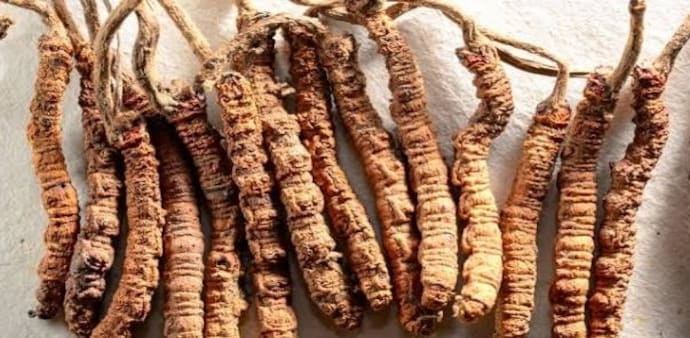
Yarsagumba is a unique combination of a fungus and an insect. It forms when a parasitic fungus infects the larvae of ghost moths living underground
- Jun 20, 2026,
- Updated Jun 20, 2026 5:29 PM IST
Every summer, thousands of people from Nepal’s remote Himalayan districts leave behind their homes, farms and schools to search for one of the world's most valuable natural resources, Yarsagumba, also known as Keeda Jadi or caterpillar fungus.
Often referred to as “Himalayan Gold”, the rare fungus is highly sought after in traditional Chinese medicine and can fetch prices of up to ₹20 lakh per kg in international markets.
Yarsagumba is a unique combination of a fungus and an insect. It forms when a parasitic fungus infects the larvae of ghost moths living underground. As the fungus grows, it mummifies the caterpillar and eventually sprouts a thin stalk above the soil surface, making it visible to collectors.
READ THIS: 40 days to empty: Inside Mumbai's desperate race to conserve water as reservoirs fall below 10%
Why is Yarsagumba expensive?
The fungus is extremely rare and grows only under specific climatic conditions found in the Himalayan regions of Nepal, Tibet and parts of India. Its scarcity, coupled with strong demand in China and other Asian markets, has driven prices to extraordinary levels.
In traditional medicine, Yarsagumba is believed to improve stamina, boost immunity and enhance overall vitality. Although scientific evidence remains limited, its reputation has sustained a lucrative cross-border trade worth millions of dollars annually.
Why are entire villages moving to the mountains?
The annual harvesting season, which typically runs between May and July, has become a crucial source of income for many Himalayan communities. Residents from districts such as Dolpa, Mugu, Jumla and Darchula travel to alpine meadows located more than 4,000 metres above sea level in search of the prized fungus.
For many families, the earnings from a few weeks of collecting Yarsagumba can exceed what they would make in an entire year through farming or daily-wage work. As a result, villages often witness a temporary migration, with entire households setting up makeshift camps in the mountains.
ALSO READ: Monsoon in North India: When will Delhi-NCR get relief from heatwave? Here's what IMD says
Risks behind the riches
The hunt for Himalayan Gold is far from easy. Collectors spend weeks in freezing temperatures, often living in tents with limited access to food, healthcare and communication. High-altitude sickness, landslides and avalanches pose constant threats.
Despite these dangers, the economic rewards continue to attract thousands every year. For many Nepalese families living in isolated mountain regions, Yarsagumba remains more than just a fungus it is a vital source of livelihood and one of the most valuable natural resources found in the Himalayas.
Every summer, thousands of people from Nepal’s remote Himalayan districts leave behind their homes, farms and schools to search for one of the world's most valuable natural resources, Yarsagumba, also known as Keeda Jadi or caterpillar fungus.
Often referred to as “Himalayan Gold”, the rare fungus is highly sought after in traditional Chinese medicine and can fetch prices of up to ₹20 lakh per kg in international markets.
Yarsagumba is a unique combination of a fungus and an insect. It forms when a parasitic fungus infects the larvae of ghost moths living underground. As the fungus grows, it mummifies the caterpillar and eventually sprouts a thin stalk above the soil surface, making it visible to collectors.
READ THIS: 40 days to empty: Inside Mumbai's desperate race to conserve water as reservoirs fall below 10%
Why is Yarsagumba expensive?
The fungus is extremely rare and grows only under specific climatic conditions found in the Himalayan regions of Nepal, Tibet and parts of India. Its scarcity, coupled with strong demand in China and other Asian markets, has driven prices to extraordinary levels.
In traditional medicine, Yarsagumba is believed to improve stamina, boost immunity and enhance overall vitality. Although scientific evidence remains limited, its reputation has sustained a lucrative cross-border trade worth millions of dollars annually.
Why are entire villages moving to the mountains?
The annual harvesting season, which typically runs between May and July, has become a crucial source of income for many Himalayan communities. Residents from districts such as Dolpa, Mugu, Jumla and Darchula travel to alpine meadows located more than 4,000 metres above sea level in search of the prized fungus.
For many families, the earnings from a few weeks of collecting Yarsagumba can exceed what they would make in an entire year through farming or daily-wage work. As a result, villages often witness a temporary migration, with entire households setting up makeshift camps in the mountains.
ALSO READ: Monsoon in North India: When will Delhi-NCR get relief from heatwave? Here's what IMD says
Risks behind the riches
The hunt for Himalayan Gold is far from easy. Collectors spend weeks in freezing temperatures, often living in tents with limited access to food, healthcare and communication. High-altitude sickness, landslides and avalanches pose constant threats.
Despite these dangers, the economic rewards continue to attract thousands every year. For many Nepalese families living in isolated mountain regions, Yarsagumba remains more than just a fungus it is a vital source of livelihood and one of the most valuable natural resources found in the Himalayas.