
Who was S. Venkitaramanan, former RBI governor, being brought to life on screen?
The Bollywood movie 'Governor' starring Manoj Bajpayee throws a light on the then Reserve Bank of India Governor S. Venkitaramanan, who headed the country’s central bank during the turbulent period of 1990-92, when the country faced a massive Balance of Payment crisis and almost went bankrupt
- Jun 10, 2026,
- Updated Jun 10, 2026 4:34 PM IST
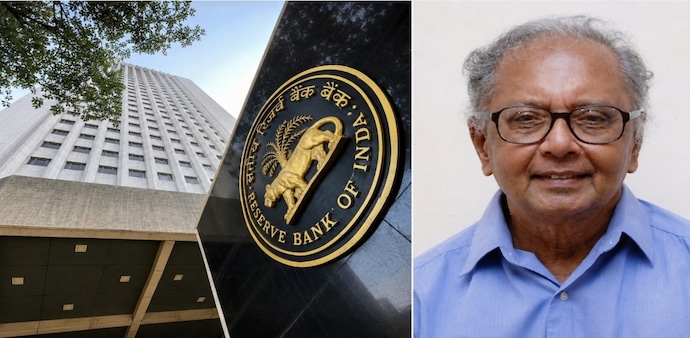
The early 1990s is one of the defining periods in India’s economy. A balance of payments crisis drove the country close to a bankruptcy in 1991. How the government led by then Prime Minister PV Narasimha Rao and Finance Minister Manmohan Singh led the country out of the crisis, taking bold economic reforms to open the country’s economy has been very well documented over the years. Now, a new Bollywood movie starring Manoj Bajpayee throws a light on perhaps a lesser known personality, the then Reserve Bank of India Governor S. Venkitaramanan, who headed the country’s central bank during those turbulent times and ushered in major policy changes to strengthen the economy which was opening up to the world. S. Venkitaramanan was the RBI Governor for only two years, from December 1990 to December 1992. But, clearly, those two years were among the most tumultuous period in India’s economy post-independence. Venkitaramanan was a member of the Indian Administrative Service. He served as the Union finance secretary in India’s Ministry of Finance from 1985 to 1989, under the Rajiv Gandhi-led government. He had also served as the adviser to the government of Karnataka. He was appointed as the RBI Governor in December 1990. What a turbulent period that was? India’s fiscal deficit had already been widening. By the end of 1989, India barely had enough money to pay for a few months of imports. In 1989, the VP Singh government took charge but lasted less than a year. The next government under Chandrahekhar also didn’t last long. Then, Iraq attacked Kuwait in 1990 throwing the global economy into a crisis as crude oil prices blew up. When Venkitaramanan took charge as the 18th governor of the RBI, India’s foreign exchange reserves were only a little over $1 billion. The worsening economic crisis eventually snowballed into a full-blown balance of payments crisis. That’s where Venkitaramanan’s role and the steps the central bank took became extremely importantly, especially when the country was going through a political upheaval. As an emergency measure amid the BoP crisis, the Reserve Bank in 1991 airlifted nearly 47 tonnes of gold to the Bank of England in exchange for an emergency loan of around $405 million. “The forex reserves had fallen, there was hardly any cover for imports, and you needed a loan. The RBI at that time would have facilitated the entire process very well. As the Governor, his role would have also been very important in giving suggestions, because ultimately, foreign exchange has always been managed by the RBI,” noted Madan Sabnavis, chief economist at Bank of Baroda. In July 1991, the exchange rate was revised downwards in two steps (9% and 11%). Till then, India had followed a fixed exchange rate system, where the rupee’s value was based on the weighted basket of global currencies. The rupee devaluation of 1991 marked a decisive end to this fixed exchange rate system and rupee from then on would be more market linked. The PV Narasimha Rao-led government took charge in June 1991 with Manmohan Singh as the finance minister. Faced with the BoP crisis, the government ushered in sweeping economic and policy reforms. Venkitaramanan as the Governor of RBI worked in tandem, bringing in major changes at the central bank, especially on the forex front. After the exchange rate revision in 1991, to further ease the transition to a market, the RBI put in place a Liberalised Exchange Rate management System. This was a dual exchange rate system, a transition step towards a move to a market determined exchange rate system. Under this system, exporters could convert 60% of their forex earnings at market-determined rates, while 40% would be at a fixed rate set by the RBI. “The country faced difficulties related to the external sector during his tenure. His adroit management saw the country tide over the balance of payments crisis. His term also saw India adopt the IMF’s stabilisation programme where the rupee underwent a devaluation and the launch of the programme of economic reforms,” the RBI notes on Venkitaramanan. While Venkitaramanan battled the BoP crisis, there were other reforms that were ushered in during his tenure. For instance, money market mutual funds were introduced for the first time in 1991. However, Venkitaramanan’s period as the RBI Governor was also a witness to the Harshad Mehta scam that rocked the stock market in 1992. That scam exposed several loopholes in India’s banking system, including oversight mechanisms; Venkitaramanan faced criticism for that. Eventually, the scam led to many reforms being done in subsequent years. Venkitaramanan completed his two-year tenure in December 1992 and passed away in 2023. He made "immense contributions during periods of crisis," is what another former RBI Governor Shaktikanta Das had said about him. The film, Governor, produced by Vipul Amritlal Shah’s Sunshine pictures and directed by Chinmay Mandlekar, revisits the life and times of Venkitaramanan, and the worst crisis that the economy faced at the time.
The early 1990s is one of the defining periods in India’s economy. A balance of payments crisis drove the country close to a bankruptcy in 1991. How the government led by then Prime Minister PV Narasimha Rao and Finance Minister Manmohan Singh led the country out of the crisis, taking bold economic reforms to open the country’s economy has been very well documented over the years. Now, a new Bollywood movie starring Manoj Bajpayee throws a light on perhaps a lesser known personality, the then Reserve Bank of India Governor S. Venkitaramanan, who headed the country’s central bank during those turbulent times and ushered in major policy changes to strengthen the economy which was opening up to the world. S. Venkitaramanan was the RBI Governor for only two years, from December 1990 to December 1992. But, clearly, those two years were among the most tumultuous period in India’s economy post-independence. Venkitaramanan was a member of the Indian Administrative Service. He served as the Union finance secretary in India’s Ministry of Finance from 1985 to 1989, under the Rajiv Gandhi-led government. He had also served as the adviser to the government of Karnataka. He was appointed as the RBI Governor in December 1990. What a turbulent period that was? India’s fiscal deficit had already been widening. By the end of 1989, India barely had enough money to pay for a few months of imports. In 1989, the VP Singh government took charge but lasted less than a year. The next government under Chandrahekhar also didn’t last long. Then, Iraq attacked Kuwait in 1990 throwing the global economy into a crisis as crude oil prices blew up. When Venkitaramanan took charge as the 18th governor of the RBI, India’s foreign exchange reserves were only a little over $1 billion. The worsening economic crisis eventually snowballed into a full-blown balance of payments crisis. That’s where Venkitaramanan’s role and the steps the central bank took became extremely importantly, especially when the country was going through a political upheaval. As an emergency measure amid the BoP crisis, the Reserve Bank in 1991 airlifted nearly 47 tonnes of gold to the Bank of England in exchange for an emergency loan of around $405 million. “The forex reserves had fallen, there was hardly any cover for imports, and you needed a loan. The RBI at that time would have facilitated the entire process very well. As the Governor, his role would have also been very important in giving suggestions, because ultimately, foreign exchange has always been managed by the RBI,” noted Madan Sabnavis, chief economist at Bank of Baroda. In July 1991, the exchange rate was revised downwards in two steps (9% and 11%). Till then, India had followed a fixed exchange rate system, where the rupee’s value was based on the weighted basket of global currencies. The rupee devaluation of 1991 marked a decisive end to this fixed exchange rate system and rupee from then on would be more market linked. The PV Narasimha Rao-led government took charge in June 1991 with Manmohan Singh as the finance minister. Faced with the BoP crisis, the government ushered in sweeping economic and policy reforms. Venkitaramanan as the Governor of RBI worked in tandem, bringing in major changes at the central bank, especially on the forex front. After the exchange rate revision in 1991, to further ease the transition to a market, the RBI put in place a Liberalised Exchange Rate management System. This was a dual exchange rate system, a transition step towards a move to a market determined exchange rate system. Under this system, exporters could convert 60% of their forex earnings at market-determined rates, while 40% would be at a fixed rate set by the RBI. “The country faced difficulties related to the external sector during his tenure. His adroit management saw the country tide over the balance of payments crisis. His term also saw India adopt the IMF’s stabilisation programme where the rupee underwent a devaluation and the launch of the programme of economic reforms,” the RBI notes on Venkitaramanan. While Venkitaramanan battled the BoP crisis, there were other reforms that were ushered in during his tenure. For instance, money market mutual funds were introduced for the first time in 1991. However, Venkitaramanan’s period as the RBI Governor was also a witness to the Harshad Mehta scam that rocked the stock market in 1992. That scam exposed several loopholes in India’s banking system, including oversight mechanisms; Venkitaramanan faced criticism for that. Eventually, the scam led to many reforms being done in subsequent years. Venkitaramanan completed his two-year tenure in December 1992 and passed away in 2023. He made "immense contributions during periods of crisis," is what another former RBI Governor Shaktikanta Das had said about him. The film, Governor, produced by Vipul Amritlal Shah’s Sunshine pictures and directed by Chinmay Mandlekar, revisits the life and times of Venkitaramanan, and the worst crisis that the economy faced at the time.