
Why buying an EV may not be as smooth as it looks
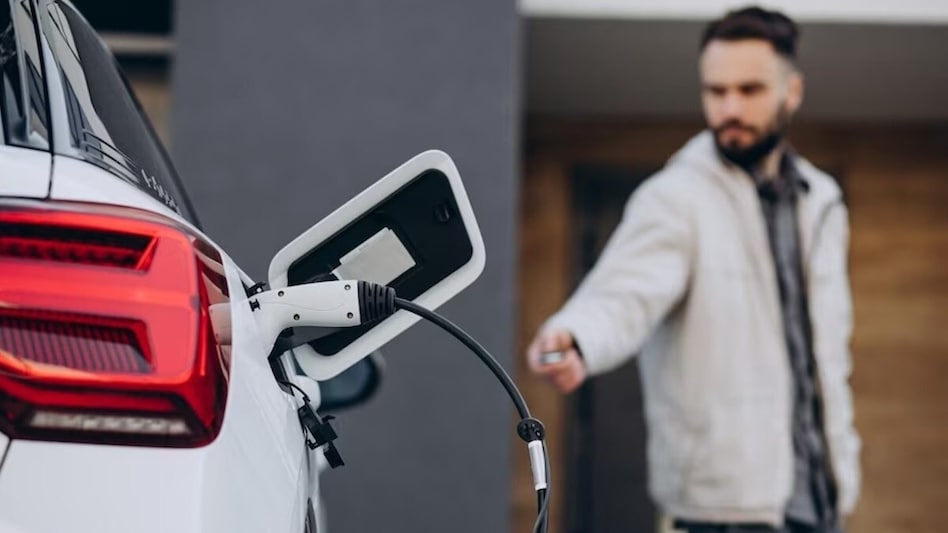
Although EVs come with a charger and faster charging options are also available and public charging stations are increasing but the real issue is where the vehicle will be charged at home.
- Apr 20, 2026,
- Updated Apr 20, 2026 10:44 PM IST
If you are planning to buy an electric vehicle whether a car or a scooter it may be worth thinking again before taking the final decision. A new problem is coming up in big cities related to EV charging.
Without proper planning for charging, the cost of your vehicle could lose its value in practical use because daily charging is becoming a challenge in many residential areas.
Home charging setup becoming a major concern
Although EVs come with a charger and faster charging options are also available and public charging stations are increasing but the real issue is where the vehicle will be charged at home. In many housing societies residents and Resident Welfare Associations are now objecting to the installation of EV charging points in common parking areas mainly due to safety concerns and fear of fire incidents.
Cases highlight growing resistance in societies
There are multiple cases highlighting this issue. In one case a scooter owner installed a proper charging setup at his parking spot but other residents started raising concerns about safety, as per reported by The Lallantop.
Marketing manager Nitin Sinha shared that a person known to him was denied permission by the society to install an EV charger. As a result the owner of a 20 lakh rupee EV is now forced to depend on public charging stations instead of charging at home.
In another case auto expert Gaurav Yadav pointed out that in Gurugram some societies are planning to remove basement charging points after fire safety authorities refused to grant clearance.
Limited infrastructure and slow charging add to Problem
Another major issue is the limited number of charging points in societies. Even where charging is allowed the infrastructure is not enough for all residents. Most EVs also come with slow chargers which can take around eight hours for a full charge. As EV sales increase this gap between demand and infrastructure is becoming more visible.
Tenants face higher restrictions
Tenants are expected to face even more difficulty because they have to follow society rules strictly and often do not get permission for such installations.
Policy gap slowing EV adoption experience
According to the report,experts say the main reason behind this situation is the lack of a clear policy on EV charging infrastructure in residential buildings. While government incentives have helped boost EV sales the supporting system inside cities and housing societies has not developed at the same speed. Most buildings were also not designed with dedicated EV charging spaces in mind.
Advice for buyers before purchase
For now experts suggest that buyers should plan their charging setup in advance before purchasing an EV otherwise the convenience of owning an electric vehicle may not match expectations.
If you are planning to buy an electric vehicle whether a car or a scooter it may be worth thinking again before taking the final decision. A new problem is coming up in big cities related to EV charging.
Without proper planning for charging, the cost of your vehicle could lose its value in practical use because daily charging is becoming a challenge in many residential areas.
Home charging setup becoming a major concern
Although EVs come with a charger and faster charging options are also available and public charging stations are increasing but the real issue is where the vehicle will be charged at home. In many housing societies residents and Resident Welfare Associations are now objecting to the installation of EV charging points in common parking areas mainly due to safety concerns and fear of fire incidents.
Cases highlight growing resistance in societies
There are multiple cases highlighting this issue. In one case a scooter owner installed a proper charging setup at his parking spot but other residents started raising concerns about safety, as per reported by The Lallantop.
Marketing manager Nitin Sinha shared that a person known to him was denied permission by the society to install an EV charger. As a result the owner of a 20 lakh rupee EV is now forced to depend on public charging stations instead of charging at home.
In another case auto expert Gaurav Yadav pointed out that in Gurugram some societies are planning to remove basement charging points after fire safety authorities refused to grant clearance.
Limited infrastructure and slow charging add to Problem
Another major issue is the limited number of charging points in societies. Even where charging is allowed the infrastructure is not enough for all residents. Most EVs also come with slow chargers which can take around eight hours for a full charge. As EV sales increase this gap between demand and infrastructure is becoming more visible.
Tenants face higher restrictions
Tenants are expected to face even more difficulty because they have to follow society rules strictly and often do not get permission for such installations.
Policy gap slowing EV adoption experience
According to the report,experts say the main reason behind this situation is the lack of a clear policy on EV charging infrastructure in residential buildings. While government incentives have helped boost EV sales the supporting system inside cities and housing societies has not developed at the same speed. Most buildings were also not designed with dedicated EV charging spaces in mind.
Advice for buyers before purchase
For now experts suggest that buyers should plan their charging setup in advance before purchasing an EV otherwise the convenience of owning an electric vehicle may not match expectations.