
Airbus' A320 recall hits 6,000 jets worldwide, delays expected: Here's what passengers need to know
The worldwide alert, issued as US travellers return from the Thanksgiving rush, has forced carriers to reshuffle schedules and ground aircraft for inspections
- Nov 29, 2025,
- Updated Nov 29, 2025 2:16 PM IST
Airbus’s urgent recall of its A320 family has triggered warnings of global flight disruption, with airlines preparing for delays and cancellations as up to 6,000 jets undergo critical software and hardware updates. The worldwide alert, issued as US travellers return from the Thanksgiving rush, has forced carriers to reshuffle schedules and ground aircraft for inspections.
Airlines across regions said the disruption stems from a potential flight-control fault linked to intense solar radiation. The issue surfaced after a JetBlue A320 travelling from Cancun to Newark experienced a sudden altitude drop in October, prompting an emergency landing in Tampa, Florida, where 15 passengers suffered minor injuries.
Investigators found that solar radiation could corrupt data in the Elevator Aileron Computer (ELAC), a core system governing flight-control surfaces. Airbus and the European Union Aviation Safety Agency (EASA) have since mandated updates to prevent similar incidents.
Carriers impacted
Major carriers began outlining the impact on Friday. American Airlines said 340 A320-family planes are affected, with most updates expected by Saturday but “some delays anticipated.” Delta Airlines flagged fewer than 50 A321neos requiring fixes. United Airlines and Hawaiian Airlines reported no impact, while Air France cancelled 35 flights with more cancellations under review. Avianca warned that around 70% of its fleet is affected, predicting “significant disruption” over the next 10 days.
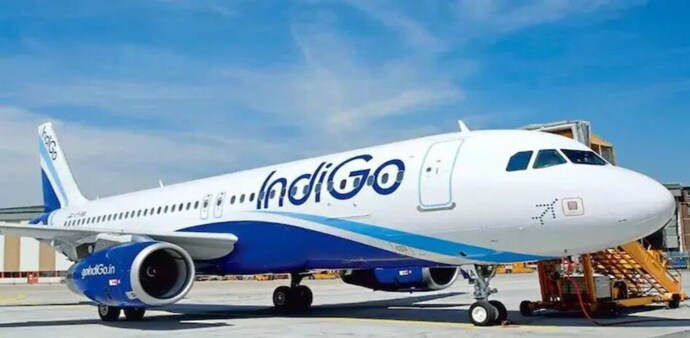
In the Middle East, Saudia said it is reviewing updates for its A320s and contacting passengers, while Flynas confirmed software recalibration that will lengthen turnaround times for some flights. India’s IndiGo, Air India, and Air India Express are managing updates across 200–250 aircraft, causing longer ground times and possible delays or cancellations.
British airports reported mixed impact: Heathrow indicated no major issues, but Gatwick expects disruptions for about 80 aircraft. Air New Zealand has warned of schedule interruptions, while Air Canada expects minimal disruption due to limited use of the affected software version.
Repairs vary in complexity. Most aircraft require a software update that takes around three hours, but roughly 900 older jets need hardware replacement and cannot carry passengers until completed. The fix involves reverting systems to earlier software versions, with ferry flights permitted for maintenance.
Passengers are advised to expect delays, monitor notifications, and check directly with airlines. No accidents have been linked to the issue; the directives are precautionary.
(With inputs from agencies)
Airbus’s urgent recall of its A320 family has triggered warnings of global flight disruption, with airlines preparing for delays and cancellations as up to 6,000 jets undergo critical software and hardware updates. The worldwide alert, issued as US travellers return from the Thanksgiving rush, has forced carriers to reshuffle schedules and ground aircraft for inspections.
Airlines across regions said the disruption stems from a potential flight-control fault linked to intense solar radiation. The issue surfaced after a JetBlue A320 travelling from Cancun to Newark experienced a sudden altitude drop in October, prompting an emergency landing in Tampa, Florida, where 15 passengers suffered minor injuries.
Investigators found that solar radiation could corrupt data in the Elevator Aileron Computer (ELAC), a core system governing flight-control surfaces. Airbus and the European Union Aviation Safety Agency (EASA) have since mandated updates to prevent similar incidents.
Carriers impacted
Major carriers began outlining the impact on Friday. American Airlines said 340 A320-family planes are affected, with most updates expected by Saturday but “some delays anticipated.” Delta Airlines flagged fewer than 50 A321neos requiring fixes. United Airlines and Hawaiian Airlines reported no impact, while Air France cancelled 35 flights with more cancellations under review. Avianca warned that around 70% of its fleet is affected, predicting “significant disruption” over the next 10 days.
In the Middle East, Saudia said it is reviewing updates for its A320s and contacting passengers, while Flynas confirmed software recalibration that will lengthen turnaround times for some flights. India’s IndiGo, Air India, and Air India Express are managing updates across 200–250 aircraft, causing longer ground times and possible delays or cancellations.
British airports reported mixed impact: Heathrow indicated no major issues, but Gatwick expects disruptions for about 80 aircraft. Air New Zealand has warned of schedule interruptions, while Air Canada expects minimal disruption due to limited use of the affected software version.
Repairs vary in complexity. Most aircraft require a software update that takes around three hours, but roughly 900 older jets need hardware replacement and cannot carry passengers until completed. The fix involves reverting systems to earlier software versions, with ferry flights permitted for maintenance.
Passengers are advised to expect delays, monitor notifications, and check directly with airlines. No accidents have been linked to the issue; the directives are precautionary.
(With inputs from agencies)