
BT BIG STORY: From Ludhiana to Lucknow, the expanding cityscape of luxury
India’s luxury market is expanding beyond metros, as rising wealth, global exposure, and changing aspirations draw affluent consumers in smaller cities towards premium fashion, watches, cars and hospitality.
Smita Tripathi
- Nov 11, 2026,
- Updated Nov 11, 2026 6:00 AM IST
In September, Ratna Singh, 28, travelled from Ludhiana to Delhi for her wedding shopping. The destination: DLF Emporio, which was hosting its annual Treasury of Trousseau event that brings together couture, jewellery, gifting and styling services for brides, grooms and their families.
Singh was not alone. Eleven other families from Ludhiana, also on a weekend visit to DLF Emporio, were picked up from the airport and checked into partner hotels, through private operators who had also flown in similar groups from Indore and Chandigarh.
Advertisement
In order to ensure guests did not feel overwhelmed with the vast elite catalog, DLF matched them with experts even before they arrived; guests registered their shopping interests and booked personalised consultations with stylists, designers, beauty consultants, etc. The edition featured collection launches, designer interactions and presentations by names such as Tarun Tahiliani, Gaurav Gupta and Arpita Mehta. For those unable to visit, DLF offered personal-shopping consultations by video call and WhatsApp.
These services reflect a market shift: luxury retailers increasingly serving customers whose wealth and homes are located well beyond the metros.
“Luxury demand is no longer necessarily proportional to the size of a city,” says Pushpa Bector, Group Executive Director and Business Head, DLF Retail, which operates luxury malls DLF Emporio and The Chanakya in New Delhi. “Industry data has highlighted that approximately 35% of DLF Emporio’s sales are accounted for by customers from outside Delhi,” she says.
Advertisement
She identifies Chandigarh, Lucknow, Jaipur, Ahmedabad, Surat and Indore among the relevant markets. “Rising incomes, entrepreneurship, wealth creation, international exposure and a younger, digitally connected consumer base are driving luxury in emerging cities. Luxury is increasingly viewed not only as a marker of status but also an expression of personal achievement and style,” she says.
Bector says emerging-city consumers engage with luxury more around weddings, festivals and milestone celebrations while metro consumers tend to have more frequent, lifestyle-led interactions across categories. “We are seeing the emergence of a more aspirational but informed consumer. They may be entering luxury through accessories, beauty, watches or contemporary fashion before progressing towards couture, fine jewellery and more high-value purchases,” says Bector.
“The opportunity, however, lies not just in replicating metro formats. It is about understanding consumer profile, spending behaviour and aspirations, and creating the right combination of brands and experiences,” she says.
Advertisement
The trend is the result of a growing number of millionaire households beyond metros. India had 871,700 dollar millionaire households in 2025, a 90% increase from 458,000 in 2021, according to the Mercedes-Benz Hurun India Wealth Report.
Mumbai had 142,000 such households followed by New Delhi (68,200) and Bengaluru (31,600). The other cities are also making a mark. Ahmedabad had 26,800 millionaire households, Surat 5,700, Jaipur 4,800, Vadodara 4,600, Nagpur 3,700, and Lucknow and Visakhapatnam 2,900 each.
MUST READ: Diwali 2026: Mumbai's luxury housing boom sees over 17 homes worth ₹178 crore sold every day
Going Online
Online channels are making it easier for customers beyond the metros to access luxury goods. At Tata CLiQ Luxury, approximately 56% of gross merchandise value in FY27 to date has come from markets the platform classifies as non-metro, according to Chief Executive Gopal Asthana. Markets with strong demand include Chandigarh, Surat, Lucknow, Jaipur, Indore, Nagpur and Guwahati.
“We have seen consumers from smaller towns such as Godhra, Bhondsi, Chorasi, Bareilly and Katni purchase watches,” says Asthana.
Among first-time buyers in Tier-II and Tier-III markets, watches lead by sales value, while footwear generates volumes. Apparel, accessories, beauty and grooming are also gaining traction. “Wealth is distributed. With rise of digital payments and enhanced accessibility provided by online platforms, consumers in Tier-II and Tier-III markets are embracing luxury e-commerce. Additionally, in several categories, Tier-IV’s share is increasing,” says Asthana.
Advertisement
“The luxury consumer in Tier-II and Tier-III cities is as aware of global brands and trends as consumers in Delhi, Mumbai or Bengaluru but the approach to purchasing can be more considered and value conscious. Consumers are willing to pay a premium when they see value, making affordable luxury and premium categories more relevant,” says Asthana.
For expensive online purchases, reassurance matters. Tata CLiQ Luxury offers assisted selling, personal relationship managers for select high-value customers, authenticity assurances and post-purchase support. “Trust remains critical. Authenticity, reviews, secure payments, delivery assurance, and easy returns, all play an important role in building confidence. Smaller-city consumers are moving from browsing aspirational products to confidently transacting, provided the platform offers the assurance of a trusted luxury destination,” adds Asthana.
The Collective, the multi-brand luxury fashion retail concept operated by Aditya Birla Fashion and Retail Ltd, too, is expanding beyond metros. “Non-metro India has been central to The Collective from early on, and its weight is increasing. It continues to grow in double digits every year,” says Pranchal Srivastava, Chief Business Officer for The Collective and International Brands. E-commerce represents about one-fifth of The Collective’s total business, and roughly half of online sales come from Tier-II and Tier-III markets, he adds.
Advertisement
DO READ: Only 3 in the world! This ₹4.25 crore watch features Lord Ram, Hanuman and Ram Mandir
The retailer has expanded its physical network to Ludhiana and Patiala. “Several small-city stores have matured faster than anticipated. A few perform at levels comparable to some established Tier-I stores. The common thread is local wealth, active social calendar and customers who already travel and buy luxury,” says Srivastava.
The average transaction in smaller cities is 60-70% of metro levels. “The real difference is frequency: metro customers buy more often, while non-metro customers buy for larger, planned occasions,” he says.
WhatsApp consultations, video appointments, personal styling and private previews are important channels. Srivastava says assisted shopping produces higher-value orders. Alongside business families, demand is coming from professionals, entrepreneurs and younger members of established business households. “We look at customer density, average ticket size, repeat rate, HNI concentration and quality of retail infrastructure, particularly mall or high street. Online demand tells us when a market is ready, and the store is how we deepen it,” says Srivastava.
Advertisement
Luxury in a Car
For Mercedes-Benz India, which operates 160 outlets in 60 cities, emerging metros are long-term growth drivers. It added six customer touchpoints in the first half of 2026, including in Bhopal, Raipur and Visakhapatnam, followed by Varanasi. Managing Director and Chief Executive Santosh Iyer says the company is expanding or upgrading facilities in Bhopal, Raipur, Agra, Kanpur, Patna and Varanasi. “Mercedes-Benz has a two-tier network expansion strategy—qualitative expansion in existing metros and inaugurating new luxury facilities or upgrading existing outlets in emerging markets,” he says.
Iyer estimates luxury-car penetration in leading metros at more than 2% compared with 0.4-0.8% in emerging metros and satellite markets. The lower base means room for faster growth. He says customers outside the largest cities are also well travelled and informed. “Premiumisation is well-established with customers increasingly preferring higher variants with exclusive appointments and individualisation options. In January–September 2026, demand for top-end luxury portfolio grew 13%, contributing more than 25% of sales. Our Mercedes-AMG portfolio grew 18%, while approximately 75% of our top-end luxury vehicles sold were personalised. We are also witnessing interest in top-end electric luxury mobility, with EQS Maybach SUV growing 68% YoY.”
Tier-II and Tier-III markets are important for Audi India, too. It currently has 28 dealerships, 41 service centres and 27 Audi Approved: Plus facilities, and aims to increase its new-car showrooms to 40 by the end of 2027, focusing significantly on Tier-II and Tier-III markets. “Our focus is on identifying markets with strong potential and building a sustainable presence through the right retail and after-sales infrastructure. We are seeing opportunities across emerging markets, and our network expansion strategy will increasingly focus on Tier-II and Tier-III cities,” says brand director Balbir Singh Dhillon.
He points to encouraging demand in Surat and Kochi and opportunities in Raipur, Nashik and Kanpur. “Buyers in emerging markets are becoming more discerning. We are also seeing interest in performance-oriented models such as Audi SQ8 and Audi RS Q8, demonstrating the appeal of combining everyday usability with performance and distinctive design,” says Dhillon. Private Clubs and Fine Dining
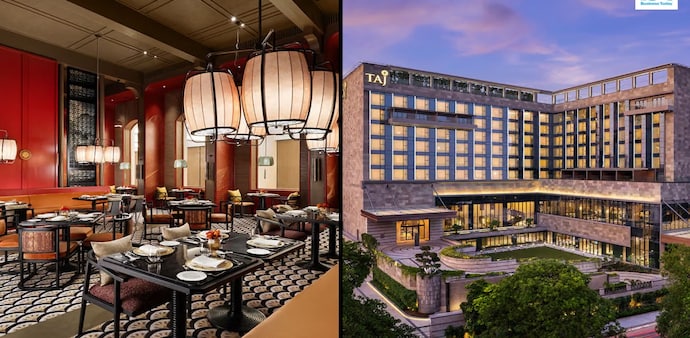
When the Indian Hotels Company Ltd opened the 181-room Taj Palace Lucknow in August 2026, it came as no surprise. The city, which already has the Taj Mahal hotel, has expanded enough to accommodate another luxury hotel. But the surprise was the introduction of The Chambers, Taj Hotels’ exclusive, invitation-only private business club.
IHCL operates The Chambers at Mumbai, Delhi, Bengaluru, Chennai, Hyderabad and Kolkata, making Lucknow the first Tier-II city for The Chambers. Santosh Shetty, the general manager, says it has drawn strong interest from business families, industrialists, entrepreneurs and high-net-worth individuals. The annual fee runs into several lakh rupees.
The club will offer a dedicated lounge, private dining and boardroom facilities. Shetty sees demand for exclusive venues that combine business networking, entertainment and discretion. Keeping in mind expansion of luxury retail into Tier-II cities, the hotel has also received interest from prospective Indian and international luxury retail partners.
Taj Palace’s House of Ming provides another indication of local demand. According to Shetty, the restaurant runs at approximately 75% occupancy on weekdays and 90% on weekends, with repeat visits from local patrons. The hotel estimates an average meal for two at about Rs 5,000.
Across fashion, hospitality and cars, the businesses’ strategies differ, but their investments point to the same conclusion: luxury purchasing power extends beyond the places where luxury retail first established itself in India.
Read more!