
2017: The year of India's internal and international ascendance
Before the sun set on 2016, India was declared by the economic masters as one of the fastest growing economies in the world. Simultaneously, economic reports pointed toward India's outlook in a quintessentially positive light.
- Feb 13, 2017,
- Updated Feb 14, 2017 11:52 AM IST
Before the sun set on 2016, India was declared by the economic masters as one of the fastest growing economies in the world. Simultaneously, economic reports pointed toward India's outlook in a quintessentially positive light, declaring that the nation had surpassed its colonial ruler, the United Kingdom in terms of size of economy - the rapidly growing Indian economy has repeatedly stumped expectations, usually outdoing itself.
The accelerating economy is spreading its wings to garner gravity-defying momentum with a tech-sector that is pivotal to global developments. The extensive initiatives taken by the government that never strayed from the goal of an economically sound environment in the country bore fruit with a vision of a much larger ambition. The upsurge of optimism in India, convoyed by escalating expectations of increasing revenue in recent times further encapsulates the optimistic rhetoric from both the public and private sectors.
The world's fastest growing economy is at an immensely exciting time and on the verge of becoming an economic power house, capable of fortifying its place in the global arena as a major contender, a major pillar of intellect and a buoyant source of ideas, ushering a new era of economic value creation.
However, the few roadblocks that can considerably slow down the rally of great ideas and the subsequent results must be assessed and effectively dealt with in a systemic manner. Prime Minster Narendra Modi has made a laudable effort of driving India's identity as an idea factory - receiving remarkable praise from around the world. The big test however, would be to receive the same reaction from the Indian public as his three years as the premier leader come to a close.
The Modi-machine, whose narrative seems fixated on economically beneficial ideas through programs that harness ease of business and reap economic benefits from around the world, must address the veiled, tacit - yet irrepressible issues that act as road blocks to its own policies and understanding of these issues. For instance, the recent ruling of the apex court to prevent political parties from invoking religion, caste or language for electoral gains is a silent scream emanating from deep within the heart of the political landscape of a secular nation that is expected to have already been following such core fundaments of secularity.
Regardless, the end of identity politics will eliminate a prolonged issue that could slowly erode the innards of India's democratic system and pluralistic secular fabric. However, such statements which are to become law could blur the lines between the apex court seeking to eradicate identity politics or unsuspectingly curbing free speech of any aspiring politician. While ideas seem to spread around like common cold - critical analysis, effective implementation and research on these ideas appears to pose as the cure for the common cold.
Once, the diverse land that amalgamates cultures all the way from the Vindhya to the Karakoram, resonates with the concerns of the people - the international landscape, especially, the business landscape will swerve in to find recluse in the bright future that the land holds. The willingness of the international community to become a part of the Indian vision of the future, should serve as a significant factor that inspires an internal dialogue amongst the leaders of the world's fastest growing economy, to firmly hold on to the reigns as the rest of the world urges them onto the driver's seat.
The political landscape overshadowing the economic environment has been of trend lately, the rise of uncertainty in the west over political aspects is proof of the impact such trends can have. These developments should serve as guidelines for India - lest the nation also give in to abstinence that ultimately ends up shaking up a rather stable system that has a potential to improve. Political stability seems to be the driving force of the economic system and is likely to continue to be that way.
India has over the years forged relationships with major players in the world. The intimate relationship with Japan that oscillates wealth and development for both countries is vital to world economic movements - making India the 10th largest recipient of FDI in the world. The nation's development needs are enormous but the development agenda looks promising. The long running relationships with Iran over the years and Russia on the other hand are both a boon to the nation at a time when a Donald Trump Presidency is imminent - the U.S.A. has already given its nod of approval to a future which intrinsically binds the two powers in an intimate spiral of collaborations.
While the current narrative has been marred by 'demonetization' - its direct implications, the outcomes and the expected impact of the drive on the actual quarterly growth figures, the bigger picture which India had already painted a while back, has taken the back seat. The clamour over the note ban drive procured concerns from across the nation, while the portrayal of the future lays unexplored. There is an urgent need in times like these for intellects from all walks of life to discuss and respect ideas that will shape the future of the country.
A lesson from 26 years ago can be learnt from China's economic growth trajectory. India needs to support Prime Minister Modi's attempt to eliminate bureaucratic hurdles and corruption so that the great Indian economic train can be mobilized on the fast-track as the initial step and super-fast track as the next step. Mr Modi has made a start one and hopes that the momentum gained will continue.
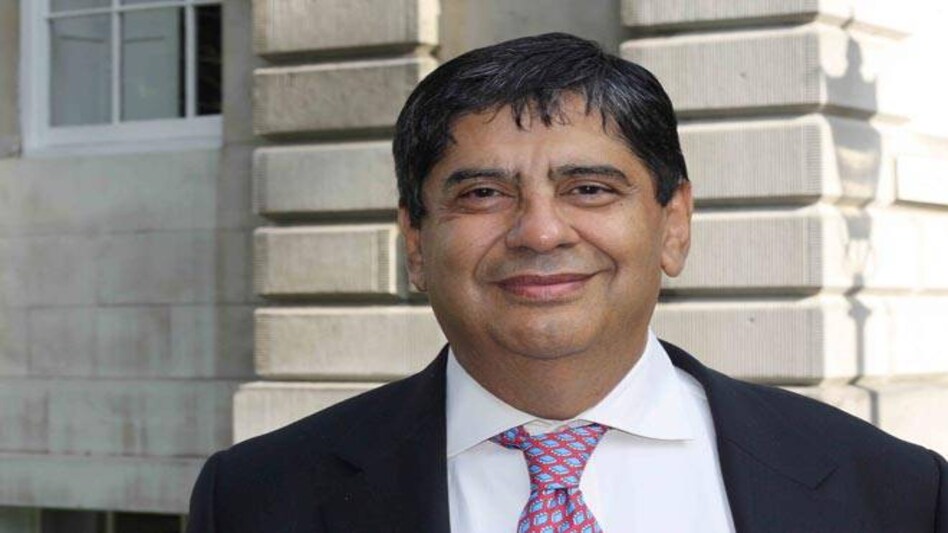
(The writer is Founder and Senior Partner at Zaiwalla & Co.)
Before the sun set on 2016, India was declared by the economic masters as one of the fastest growing economies in the world. Simultaneously, economic reports pointed toward India's outlook in a quintessentially positive light, declaring that the nation had surpassed its colonial ruler, the United Kingdom in terms of size of economy - the rapidly growing Indian economy has repeatedly stumped expectations, usually outdoing itself.
The accelerating economy is spreading its wings to garner gravity-defying momentum with a tech-sector that is pivotal to global developments. The extensive initiatives taken by the government that never strayed from the goal of an economically sound environment in the country bore fruit with a vision of a much larger ambition. The upsurge of optimism in India, convoyed by escalating expectations of increasing revenue in recent times further encapsulates the optimistic rhetoric from both the public and private sectors.
The world's fastest growing economy is at an immensely exciting time and on the verge of becoming an economic power house, capable of fortifying its place in the global arena as a major contender, a major pillar of intellect and a buoyant source of ideas, ushering a new era of economic value creation.
However, the few roadblocks that can considerably slow down the rally of great ideas and the subsequent results must be assessed and effectively dealt with in a systemic manner. Prime Minster Narendra Modi has made a laudable effort of driving India's identity as an idea factory - receiving remarkable praise from around the world. The big test however, would be to receive the same reaction from the Indian public as his three years as the premier leader come to a close.
The Modi-machine, whose narrative seems fixated on economically beneficial ideas through programs that harness ease of business and reap economic benefits from around the world, must address the veiled, tacit - yet irrepressible issues that act as road blocks to its own policies and understanding of these issues. For instance, the recent ruling of the apex court to prevent political parties from invoking religion, caste or language for electoral gains is a silent scream emanating from deep within the heart of the political landscape of a secular nation that is expected to have already been following such core fundaments of secularity.
Regardless, the end of identity politics will eliminate a prolonged issue that could slowly erode the innards of India's democratic system and pluralistic secular fabric. However, such statements which are to become law could blur the lines between the apex court seeking to eradicate identity politics or unsuspectingly curbing free speech of any aspiring politician. While ideas seem to spread around like common cold - critical analysis, effective implementation and research on these ideas appears to pose as the cure for the common cold.
Once, the diverse land that amalgamates cultures all the way from the Vindhya to the Karakoram, resonates with the concerns of the people - the international landscape, especially, the business landscape will swerve in to find recluse in the bright future that the land holds. The willingness of the international community to become a part of the Indian vision of the future, should serve as a significant factor that inspires an internal dialogue amongst the leaders of the world's fastest growing economy, to firmly hold on to the reigns as the rest of the world urges them onto the driver's seat.
The political landscape overshadowing the economic environment has been of trend lately, the rise of uncertainty in the west over political aspects is proof of the impact such trends can have. These developments should serve as guidelines for India - lest the nation also give in to abstinence that ultimately ends up shaking up a rather stable system that has a potential to improve. Political stability seems to be the driving force of the economic system and is likely to continue to be that way.
India has over the years forged relationships with major players in the world. The intimate relationship with Japan that oscillates wealth and development for both countries is vital to world economic movements - making India the 10th largest recipient of FDI in the world. The nation's development needs are enormous but the development agenda looks promising. The long running relationships with Iran over the years and Russia on the other hand are both a boon to the nation at a time when a Donald Trump Presidency is imminent - the U.S.A. has already given its nod of approval to a future which intrinsically binds the two powers in an intimate spiral of collaborations.
While the current narrative has been marred by 'demonetization' - its direct implications, the outcomes and the expected impact of the drive on the actual quarterly growth figures, the bigger picture which India had already painted a while back, has taken the back seat. The clamour over the note ban drive procured concerns from across the nation, while the portrayal of the future lays unexplored. There is an urgent need in times like these for intellects from all walks of life to discuss and respect ideas that will shape the future of the country.
A lesson from 26 years ago can be learnt from China's economic growth trajectory. India needs to support Prime Minister Modi's attempt to eliminate bureaucratic hurdles and corruption so that the great Indian economic train can be mobilized on the fast-track as the initial step and super-fast track as the next step. Mr Modi has made a start one and hopes that the momentum gained will continue.
(The writer is Founder and Senior Partner at Zaiwalla & Co.)