
India needs greenfield investments in capital-intensive sectors to become $5 trillion economy
In recent years, the proportion of investments leading to capital formation has been low, and India needs proactive investment in greenfield projects to become a $5 trillion economy by 2027.
- Oct 15, 2021,
- Updated Oct 15, 2021 12:09 PM IST
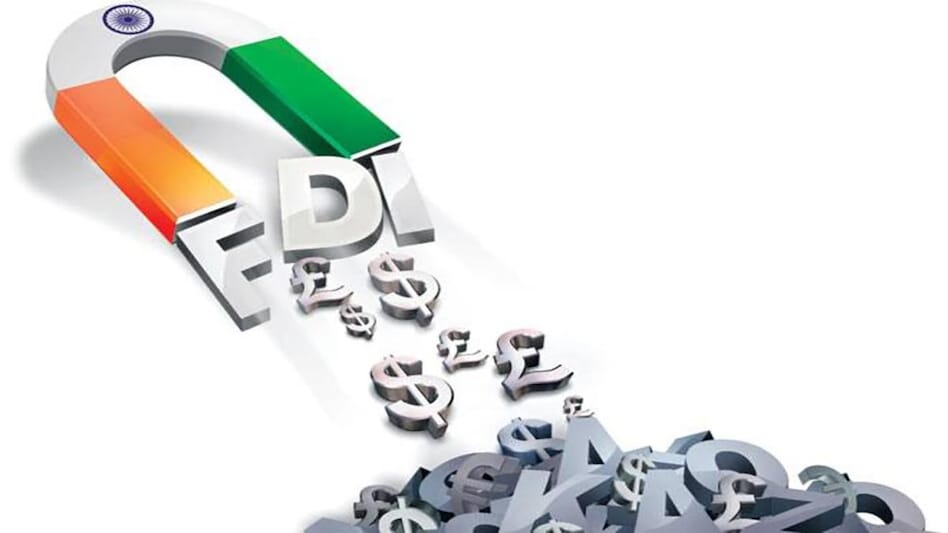
Foreign Direct Investment (FDI) acts as a major catalyst of economic development in a country. It stimulates business, increases production, creates jobs, boosts income, and brings a churn in the economy.
India has attracted huge volumes of FDI in 2020-21 despite disruptions during the pandemic.
FDI inflow to India was at $81.72 billion, which is 10% higher than the previous year, and Deloitte corroborated this encouraging trend through a recent survey of 1,200 multinational business leaders which suggests that India is an attractive investment destination.
The survey, which was conducted at the peak of the second wave indicated that 44% of respondents across the UK, US, Japan, and Singapore are planning to make additional and first-time investments in India.
Also Read: India's aim to become a $5 trillion economy by 2025 'impossible' due to pandemic: Rangarajan
Given the US and UK's strong historic ties with India, business leaders in these countries expressed greater confidence in India.
Some sectors led the way and were more attractive to investors than others - these are utilities, especially the energy sector (57%), followed by the financial services and healthcare sectors which stood neck and neck at 49% and 48%, respectively.
Consequently, more business leaders wanted to invest in India to access the domestic market rather than create an export hub.
We also found that the government's several reforms and initiatives for ease of doing business weren't widely known amongst global business leaders and investors, which may have led to India not meeting its full FDI potential.
The leaders initially lacked knowledge about the recent reforms such as the digitisation of customs clearance and production-linked incentives (PLI) for manufacturers.
However, once informed about the existing reforms, a majority of them (70-80%) were willing to invest in India.
Also Read: FDI key to India's aspiration to be a $5 trn economy: Deloitte CEO
A targeted approach may be the better way forward
For an economy to prosper, FDI must be channelled towards projects that result in capital formation.
In recent years, the proportion of investments leading to capital formation has been low, and India needs proactive investment in greenfield projects to become a $5 trillion economy by 2027.
According to our study, India will require at least $8 trillion of cumulative gross capital formation, assuming we are on the fastest growth track.
Based on past trends, India needs approximately $400 billion of foreign capital cumulatively over the next six years.
Channelising FDI into capital-intensive industries could be one way forward. We have identified seven such industries- electronic goods, pharmaceuticals, textile and apparel, food processing, automotive and auto parts, chemicals and APIs, and capital goods.
These sectors have the potential to grow in size as well as cater to the export markets. India, according to our research, can target an additional $1 trillion of merchandise exports in the next five years by attracting higher FDI into these sectors through concerted efforts.
Recent measures such as the PLI scheme, lower corporate tax rates, and dedicated infrastructure (such as MITRA-integrated textile parks) amongst others are a few bold measures that the government has taken to attract investment.
The momentum of reforms has to continue, and the government must play the four critical roles of a creator, negotiator, facilitator, and enforcer, which will require the government to focus on building the foundation (such as infrastructure, trade ecosystem, and digitisation), ensuring solid trade relationships with other nations, enabling effective interactions between the private and commercial sectors and establishing a fair regulatory framework. With the right incentives, measures, and technology adoption, these sectors could thrive.
For instance, the report suggests that with the introduction of policy reforms like PLI schemes and more on the anvil, India could become a major manufacturing hub for electronic goods with the potential to grow 16x to $200 billion, while pharmaceuticals can grow to a $100 billion industry.
Similarly, the automotive industry can become a $600 billion industry in the next five years and the capital goods industry can touch $100 billion in the next four years.
Importantly, these are potentially high employment generating sectors especially in Tier-2 and 3 cities as well as in the rural areas.
(Rumki Majumdar is Economist at Deloitte India.)
Foreign Direct Investment (FDI) acts as a major catalyst of economic development in a country. It stimulates business, increases production, creates jobs, boosts income, and brings a churn in the economy.
India has attracted huge volumes of FDI in 2020-21 despite disruptions during the pandemic.
FDI inflow to India was at $81.72 billion, which is 10% higher than the previous year, and Deloitte corroborated this encouraging trend through a recent survey of 1,200 multinational business leaders which suggests that India is an attractive investment destination.
The survey, which was conducted at the peak of the second wave indicated that 44% of respondents across the UK, US, Japan, and Singapore are planning to make additional and first-time investments in India.
Also Read: India's aim to become a $5 trillion economy by 2025 'impossible' due to pandemic: Rangarajan
Given the US and UK's strong historic ties with India, business leaders in these countries expressed greater confidence in India.
Some sectors led the way and were more attractive to investors than others - these are utilities, especially the energy sector (57%), followed by the financial services and healthcare sectors which stood neck and neck at 49% and 48%, respectively.
Consequently, more business leaders wanted to invest in India to access the domestic market rather than create an export hub.
We also found that the government's several reforms and initiatives for ease of doing business weren't widely known amongst global business leaders and investors, which may have led to India not meeting its full FDI potential.
The leaders initially lacked knowledge about the recent reforms such as the digitisation of customs clearance and production-linked incentives (PLI) for manufacturers.
However, once informed about the existing reforms, a majority of them (70-80%) were willing to invest in India.
Also Read: FDI key to India's aspiration to be a $5 trn economy: Deloitte CEO
A targeted approach may be the better way forward
For an economy to prosper, FDI must be channelled towards projects that result in capital formation.
In recent years, the proportion of investments leading to capital formation has been low, and India needs proactive investment in greenfield projects to become a $5 trillion economy by 2027.
According to our study, India will require at least $8 trillion of cumulative gross capital formation, assuming we are on the fastest growth track.
Based on past trends, India needs approximately $400 billion of foreign capital cumulatively over the next six years.
Channelising FDI into capital-intensive industries could be one way forward. We have identified seven such industries- electronic goods, pharmaceuticals, textile and apparel, food processing, automotive and auto parts, chemicals and APIs, and capital goods.
These sectors have the potential to grow in size as well as cater to the export markets. India, according to our research, can target an additional $1 trillion of merchandise exports in the next five years by attracting higher FDI into these sectors through concerted efforts.
Recent measures such as the PLI scheme, lower corporate tax rates, and dedicated infrastructure (such as MITRA-integrated textile parks) amongst others are a few bold measures that the government has taken to attract investment.
The momentum of reforms has to continue, and the government must play the four critical roles of a creator, negotiator, facilitator, and enforcer, which will require the government to focus on building the foundation (such as infrastructure, trade ecosystem, and digitisation), ensuring solid trade relationships with other nations, enabling effective interactions between the private and commercial sectors and establishing a fair regulatory framework. With the right incentives, measures, and technology adoption, these sectors could thrive.
For instance, the report suggests that with the introduction of policy reforms like PLI schemes and more on the anvil, India could become a major manufacturing hub for electronic goods with the potential to grow 16x to $200 billion, while pharmaceuticals can grow to a $100 billion industry.
Similarly, the automotive industry can become a $600 billion industry in the next five years and the capital goods industry can touch $100 billion in the next four years.
Importantly, these are potentially high employment generating sectors especially in Tier-2 and 3 cities as well as in the rural areas.
(Rumki Majumdar is Economist at Deloitte India.)