
India will leave no stone unturned to counter terrorism
India has been taking a stern stand on the issues of terrorism in international sphere, which is also reflected in India’s G20 agenda. It has assumed the G20 presidency for the first time and it will leave no stones unturned to counter terrorism.
- Dec 19, 2022,
- Updated Dec 19, 2022 1:05 PM IST
Recently, we celebrated the occasion of human rights day to honour the rights and freedom of all human beings. It commemorates every citizen in the world and their life as equals with dignity without any discrimination. States play a significant role in safeguarding and protecting the core of human rights. They are the harbingers of the trust that citizens and people all across the world place in them for their security. The Indian government too realises this responsibility towards their citizens and humankind at large.
It wasn’t long ago when India organised the 3rd Ministerial Conference on Countering Financing Of Terrorism. The theme of the conference was ’No Money for Terror’ which emphasised India’s zero tolerance policy for terrorism. Our Hon’ble Prime Minister Narendra Modi ji rightly stated in the conference, “There is no place for an ambiguous approach while dealing with a global threat. It is an attack on humanity, freedom and civilisation.”
The last 8 years of India’s valiant efforts and decisive policies towards fulfilling this responsibility is a testament to this fact. The prompt actions undertaken by our government since 2014 has affirmed India’s commitment to combat terrorism. The surgical strike in PoK on 2016 and air strikes in Balakot in 2019 displayed India’s resolve to not sit back and respond strategically towards any threat. In the recent years, there has been 168 per cent reduction in terror incidents in Jammu and Kashmir which has normalised the lives of people there.
Similarly in the North East, insurgency and civilian deaths have come down by 80 per cent and 89 per cent respectively. A new era of peace has been established in the North East as almost 6,000 militants have surrendered since 2014. As a result of which, most states in the region have been relatively free of AFSPA forces, which has demilitarised the region.
Numerous peace treaties such as Bodo Accord, Assam-Meghalaya Inter-State Boundary Agreement and Karbi Anglong Agreement have been signed in the recent years to achieve Insurgency free North East.
On an International level, India has also spearheaded the campaign of humanitarian efforts to rescue people from situations of physical threat. Under the Vande Bharat Mission, more than 2.17 lakh flights facilitated the travel of over 1.83 crore passengers as one of the largest repatriation drives seen in the world. Operation Samudra Setu was also launched to repatriate Indian citizens from overseas during the pandemic. Operation Devi Shakti rescued 669 people from the terror zone in Afghanistan last year. Recently, under the operation Ganga more than 22,000 Indian nationals were evacuated from Ukraine.
Along with this, the Indian government also coordinated evacuations with other countries and bore the expense of the same.
While conducting international rescue operations, India has also focused on inspiring other countries to take strict actions against terror. Our Hon’ble Prime Minister Narendra Modi ji Strongly believes that “the world needs to unite against all kinds of overt and covert backing of terror”. India organised the 90th Interpol General Assembly meeting after 25 years. The meeting was attended by 2000 overseas dignitaries with a global call for cooperation against combating terrorism. The strategy of ‘Trace, Target and Terminate’ was asked to be adopted for organised crimes.
This year, India hosted a special meeting of the United Nations Security Council’s Counter Terrorism Committee (CTC), which discussed the overarching theme of ‘Countering the use of new and emerging technologies for terrorist purposes’. This was the first such meeting of the UNSC-CTC in India since its establishment in 2001. The Delhi Declaration was released after the meeting, which emphasised the need to display zero tolerance towards terrorism and combat it in all its forms. India has been taking a stern stand on the issues of terrorism in international sphere, which is also reflected in India’s G20 agenda. It has assumed the G20 presidency for the first time and it will leave no stones unturned to counter terrorism which is a key component of ‘Vasudhaiva Kutumbakam’.
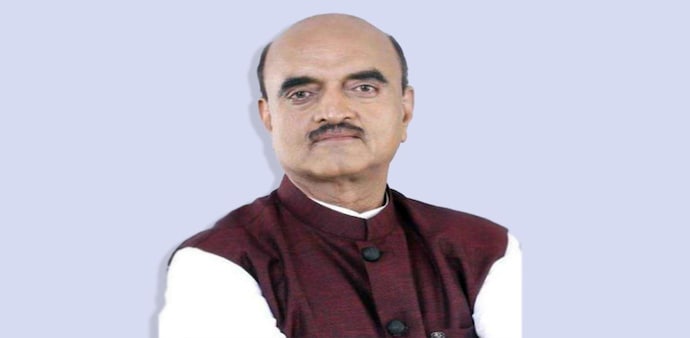
(The author is Union Minister of State for Finance)
Recently, we celebrated the occasion of human rights day to honour the rights and freedom of all human beings. It commemorates every citizen in the world and their life as equals with dignity without any discrimination. States play a significant role in safeguarding and protecting the core of human rights. They are the harbingers of the trust that citizens and people all across the world place in them for their security. The Indian government too realises this responsibility towards their citizens and humankind at large.
It wasn’t long ago when India organised the 3rd Ministerial Conference on Countering Financing Of Terrorism. The theme of the conference was ’No Money for Terror’ which emphasised India’s zero tolerance policy for terrorism. Our Hon’ble Prime Minister Narendra Modi ji rightly stated in the conference, “There is no place for an ambiguous approach while dealing with a global threat. It is an attack on humanity, freedom and civilisation.”
The last 8 years of India’s valiant efforts and decisive policies towards fulfilling this responsibility is a testament to this fact. The prompt actions undertaken by our government since 2014 has affirmed India’s commitment to combat terrorism. The surgical strike in PoK on 2016 and air strikes in Balakot in 2019 displayed India’s resolve to not sit back and respond strategically towards any threat. In the recent years, there has been 168 per cent reduction in terror incidents in Jammu and Kashmir which has normalised the lives of people there.
Similarly in the North East, insurgency and civilian deaths have come down by 80 per cent and 89 per cent respectively. A new era of peace has been established in the North East as almost 6,000 militants have surrendered since 2014. As a result of which, most states in the region have been relatively free of AFSPA forces, which has demilitarised the region.
Numerous peace treaties such as Bodo Accord, Assam-Meghalaya Inter-State Boundary Agreement and Karbi Anglong Agreement have been signed in the recent years to achieve Insurgency free North East.
On an International level, India has also spearheaded the campaign of humanitarian efforts to rescue people from situations of physical threat. Under the Vande Bharat Mission, more than 2.17 lakh flights facilitated the travel of over 1.83 crore passengers as one of the largest repatriation drives seen in the world. Operation Samudra Setu was also launched to repatriate Indian citizens from overseas during the pandemic. Operation Devi Shakti rescued 669 people from the terror zone in Afghanistan last year. Recently, under the operation Ganga more than 22,000 Indian nationals were evacuated from Ukraine.
Along with this, the Indian government also coordinated evacuations with other countries and bore the expense of the same.
While conducting international rescue operations, India has also focused on inspiring other countries to take strict actions against terror. Our Hon’ble Prime Minister Narendra Modi ji Strongly believes that “the world needs to unite against all kinds of overt and covert backing of terror”. India organised the 90th Interpol General Assembly meeting after 25 years. The meeting was attended by 2000 overseas dignitaries with a global call for cooperation against combating terrorism. The strategy of ‘Trace, Target and Terminate’ was asked to be adopted for organised crimes.
This year, India hosted a special meeting of the United Nations Security Council’s Counter Terrorism Committee (CTC), which discussed the overarching theme of ‘Countering the use of new and emerging technologies for terrorist purposes’. This was the first such meeting of the UNSC-CTC in India since its establishment in 2001. The Delhi Declaration was released after the meeting, which emphasised the need to display zero tolerance towards terrorism and combat it in all its forms. India has been taking a stern stand on the issues of terrorism in international sphere, which is also reflected in India’s G20 agenda. It has assumed the G20 presidency for the first time and it will leave no stones unturned to counter terrorism which is a key component of ‘Vasudhaiva Kutumbakam’.
(The author is Union Minister of State for Finance)