
The real cost of pollution: Why health insurance is becoming India’s new mask
Delhi air pollution: According to industry data, respiratory-related hospitalizations in Delhi jumped from 5–6% in early 2024 to 17–18% in the second half of the year.
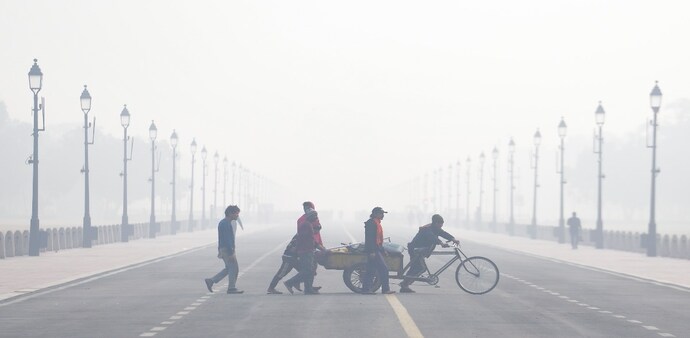
- Nov 24, 2025,
- Updated Nov 24, 2025 1:12 PM IST
On this November morning, a mother rushed her 6-year-old son to the emergency ward as he struggled to breathe. What she assumed was a mild seasonal cough turned out to be an acute respiratory infection triggered by Delhi’s toxic air. By the time he was stabilised, the family had a ₹38,000 hospital bill and a new fear: How do you financially prepare for something as unpredictable as the air you breathe?
Millions of families are asking the same question.
When Air Quality Turns Into a Financial Risk
Every winter, Delhi’s Air Quality Index (AQI) slips into the “severe” category. Last year, it even hit 491 a level at which even healthy adults feel breathless. But beyond headlines about AQI levels lies a quieter crisis unfolding in hospital rooms and insurance claim dashboards.
Government data placed before Parliament shows that 68,411 cases of acute respiratory illness were reported in Delhi in 2024 across sentinel hospitals, with 10,819 requiring hospitalization. These cases translate into rising medical bills, more pharmacy visits, and growing financial stress for families.
What’s changing now is the way insurers are responding. Claim patterns show a clear spike during high-pollution months. According to industry data, respiratory-related hospitalizations in Delhi jumped from 5–6% in early 2024 to 17–18% in the second half of the year. A joint BCG–Medi Assist study also found an 8.3% rise in respiratory claims between FY23 and FY25, the highest in India.
The Price of Falling Sick
A single pollution-triggered hospitalization in a private hospital can cost ₹35,000 to ₹80,000, depending on treatment and stay length. Follow-up tests, inhalers, nebulisers, and preventive medicines often add another ₹6,000–10,000. For many families, especially those with children or elderly members, these expenses come on top of the yearly cost of air purifiers, filters, and N95 masks—an additional ₹10,000–15,000 annually.
Compare these amounts with the cost of a health insurance plan in Delhi:
● A family floater with ₹8 lakh to ₹33 lakh coverage costs ₹8,000–₹32,000 annually.
● In many cases, one hospitalization equals 2–4 years’ worth of premiums.
The economics make a clear case: strong health insurance is quickly becoming as essential as air purifiers and high-quality masks.
How to Build a Pollution-Smart Health Cover
While we cannot control the AQI outside our homes, we can control how financially prepared our families are. Here’s what households should prioritise:
1. Check for respiratory coverage
Most health insurance plans cover pollution-related conditions such as asthma, bronchitis, COPD, and ARI. Still, verify inclusions, especially OPD, inhaler/nebuliser coverage, and room rent limits.
2. Choose a family floater
Children and older adults are especially vulnerable during smog season. Family floater plans provide more coverage per rupee compared to individual plans.
3. Add a super top-up
A top-up plan offering an additional ₹10–15 lakh cover costs only a few thousand rupees. It’s a smart way to increase protection in a city where hospitalization costs can escalate quickly.
4. Prioritise cashless access
During an emergency, paperwork slows you down. Choosing insurers with strong cashless networks and ensures smoother admission during peak pollution months.
Insurance as a Shield, Not a Fear Response
Buying an air purifier when the AQI hits 500 is reactive. Buying strong health insurance before the winter peaks is protective. Insurance isn’t just about paying hospital bills it’s about safeguarding:
● Your savings
● Your lifestyle
● Your ability to choose quality care
● Your peace of mind
Pollution challenge isn’t disappearing soon, but your financial vulnerability can. Weeks after her son recovered, she put it simply: “Our insurance premium costs less than our grocery bill, but it saved us from touching our emergency fund.”
In a city where the air changes overnight, the smartest financial decision families can make is ensuring that a health emergency doesn’t become a financial one. Because while pollution may be out of your control, your preparedness doesn’t have to be.
(Views are personal; the author is CEO at BajajCapital Insurance Broking Ltd)
On this November morning, a mother rushed her 6-year-old son to the emergency ward as he struggled to breathe. What she assumed was a mild seasonal cough turned out to be an acute respiratory infection triggered by Delhi’s toxic air. By the time he was stabilised, the family had a ₹38,000 hospital bill and a new fear: How do you financially prepare for something as unpredictable as the air you breathe?
Millions of families are asking the same question.
When Air Quality Turns Into a Financial Risk
Every winter, Delhi’s Air Quality Index (AQI) slips into the “severe” category. Last year, it even hit 491 a level at which even healthy adults feel breathless. But beyond headlines about AQI levels lies a quieter crisis unfolding in hospital rooms and insurance claim dashboards.
Government data placed before Parliament shows that 68,411 cases of acute respiratory illness were reported in Delhi in 2024 across sentinel hospitals, with 10,819 requiring hospitalization. These cases translate into rising medical bills, more pharmacy visits, and growing financial stress for families.
What’s changing now is the way insurers are responding. Claim patterns show a clear spike during high-pollution months. According to industry data, respiratory-related hospitalizations in Delhi jumped from 5–6% in early 2024 to 17–18% in the second half of the year. A joint BCG–Medi Assist study also found an 8.3% rise in respiratory claims between FY23 and FY25, the highest in India.
The Price of Falling Sick
A single pollution-triggered hospitalization in a private hospital can cost ₹35,000 to ₹80,000, depending on treatment and stay length. Follow-up tests, inhalers, nebulisers, and preventive medicines often add another ₹6,000–10,000. For many families, especially those with children or elderly members, these expenses come on top of the yearly cost of air purifiers, filters, and N95 masks—an additional ₹10,000–15,000 annually.
Compare these amounts with the cost of a health insurance plan in Delhi:
● A family floater with ₹8 lakh to ₹33 lakh coverage costs ₹8,000–₹32,000 annually.
● In many cases, one hospitalization equals 2–4 years’ worth of premiums.
The economics make a clear case: strong health insurance is quickly becoming as essential as air purifiers and high-quality masks.
How to Build a Pollution-Smart Health Cover
While we cannot control the AQI outside our homes, we can control how financially prepared our families are. Here’s what households should prioritise:
1. Check for respiratory coverage
Most health insurance plans cover pollution-related conditions such as asthma, bronchitis, COPD, and ARI. Still, verify inclusions, especially OPD, inhaler/nebuliser coverage, and room rent limits.
2. Choose a family floater
Children and older adults are especially vulnerable during smog season. Family floater plans provide more coverage per rupee compared to individual plans.
3. Add a super top-up
A top-up plan offering an additional ₹10–15 lakh cover costs only a few thousand rupees. It’s a smart way to increase protection in a city where hospitalization costs can escalate quickly.
4. Prioritise cashless access
During an emergency, paperwork slows you down. Choosing insurers with strong cashless networks and ensures smoother admission during peak pollution months.
Insurance as a Shield, Not a Fear Response
Buying an air purifier when the AQI hits 500 is reactive. Buying strong health insurance before the winter peaks is protective. Insurance isn’t just about paying hospital bills it’s about safeguarding:
● Your savings
● Your lifestyle
● Your ability to choose quality care
● Your peace of mind
Pollution challenge isn’t disappearing soon, but your financial vulnerability can. Weeks after her son recovered, she put it simply: “Our insurance premium costs less than our grocery bill, but it saved us from touching our emergency fund.”
In a city where the air changes overnight, the smartest financial decision families can make is ensuring that a health emergency doesn’t become a financial one. Because while pollution may be out of your control, your preparedness doesn’t have to be.
(Views are personal; the author is CEO at BajajCapital Insurance Broking Ltd)