
The winter chaos guide: How Indian travellers can survive delays, lost bags and weather disruptions
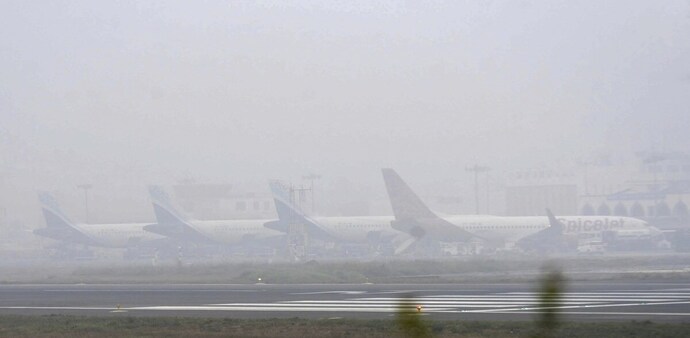
If you’ve travelled through North India between December and February, this scene feels familiar. Winter doesn’t just bring cold, it brings chaos. Fog shuts down runways, flights stack up, baggage goes missing, hotel plans unravel.
- Jan 9, 2026,
- Updated Jan 9, 2026 12:45 PM IST
He was supposed to land in Delhi at 6 am. His daughter’s wedding was at noon. At 5:30 am., he was still in the Mumbai departure lounge, watching his flight status change for the third time. First a short delay. Then three hours. Now it simply reads: Indefinite delay due to dense fog in Delhi. His sherwanis were in checked baggage. The photographer was booked. Two hundred guests were expected. And he was stuck, staring at the departure board as if it might fix itself.
If you’ve travelled through North India between December and February, this scene feels familiar. Winter doesn’t just bring cold, it brings chaos. Fog shuts down runways, flights stack up, baggage goes missing, hotel plans unravel. And most travellers are left unsure of what they’re actually entitled to. The truth is, you have more control than it feels like. Not over the weather but over how prepared you are when things go wrong.
What You’re Actually Entitled To (But Rarely Told)
Under DGCA guidelines, airlines have clear obligations during disruptions. If your flight is delayed beyond two hours, airlines must provide refreshments. If the delay stretches beyond six hours, they must offer an alternate flight at no extra cost or a full refund. For overnight delays caused by operational issues, accommodation and transfers are required. If a flight is cancelled with short notice for reasons within the airline’s control, compensation may apply along with a refund or alternate flight. In cases of denied boarding due to overbooking, compensation can go up to ₹20,000.
The catch? You usually have to ask. Airlines don’t always volunteer this information, especially during peak disruption.
The Real-Time Survival Playbook
When winter travel starts unraveling, speed matters.
The moment you sense trouble, open your airline app and turn on notifications. Status changes hit apps before airport screens. Save the airline’s customer care number not the booking line, but the disruption helpline. If a delay is announced, don’t automatically queue at the counter. Call customer care while others are standing in line. Often, rebooking happens faster on the phone. Check alternate routes yourself, sometimes flying to a nearby city and taking ground transport works better than waiting. Open your travel insurance details on your phone. Know the helpline and claim steps. This isn’t the moment to search emails.
If you’re stuck overnight, document everything. Photos of the departure board, delay messages, boarding passes, receipts for food, hotels, transport. If the airline doesn’t offer accommodation, ask for a supervisor and reference DGCA guidelines. Be firm, not aggressive.
Book reasonable accommodation if needed. Insurance and airline reimbursements usually cover standard hotels, not luxury stays.
When Your Baggage Goes Missing
If your bag doesn’t arrive, file a Property Irregularity Report (PIR) before leaving the airport. No PIR, no claim. Take a photo of it. If the delay stretches beyond 24 hours, airlines usually compensate for essential purchases like basic clothing, toiletries, medications. Keep receipts. Follow up daily. Lost baggage cases often move faster when the passenger stays engaged. If baggage is declared permanently lost, airline compensation is weight-based and rarely reflects actual value. This is where travel insurance matters: it covers the value of belongings within policy limits, not just airline formulas.
Hotel & Booking Fallout
Flight delayed? Your hotel booking is at risk. Call the hotel immediately. Don’t email first - call. Many hotels waive cancellation charges if you provide proof of disruption. If you booked via an online platform or credit card with travel benefits, check for built-in protection.
Travel insurance may cover non-refundable accommodation costs if delays are due to covered reasons like weather but documentation is essential.
Build Your Claim File As You Go
Claims fail more often due to missing documents than lack of coverage. Save screenshots of all delay notifications, boarding passes, booking confirmations, receipts, and communication with airlines or hotels. Create a folder on your phone the moment disruption starts. Email copies to yourself in real time. When filing a claim, be specific. State what happened, why, how long the delay was, and the exact expenses incurred. Submit everything together to avoid delays.
Before You Travel: The Winter Checklist
- Monitor weather forecasts and build buffer days for important events
- Read your travel insurance policy especially delay definitions and sub-limits
- Pack essentials in carry-on: medication, valuables, one change of clothes
- Photograph checked baggage contents
- Save all emergency numbers offline
- Expect disruption and plan redundancy
Veteran winter travellers expect delays and that expectation changes everything. They arrive a day early for important events. They allow long layovers. They pack essentials smartly. They solve immediate problems first and fight refund battles later from home. Because being right doesn’t get you home faster. Being prepared does.
(Views are personal; the author is CEO at BajajCapital Insurance Broking Ltd)
He was supposed to land in Delhi at 6 am. His daughter’s wedding was at noon. At 5:30 am., he was still in the Mumbai departure lounge, watching his flight status change for the third time. First a short delay. Then three hours. Now it simply reads: Indefinite delay due to dense fog in Delhi. His sherwanis were in checked baggage. The photographer was booked. Two hundred guests were expected. And he was stuck, staring at the departure board as if it might fix itself.
If you’ve travelled through North India between December and February, this scene feels familiar. Winter doesn’t just bring cold, it brings chaos. Fog shuts down runways, flights stack up, baggage goes missing, hotel plans unravel. And most travellers are left unsure of what they’re actually entitled to. The truth is, you have more control than it feels like. Not over the weather but over how prepared you are when things go wrong.
What You’re Actually Entitled To (But Rarely Told)
Under DGCA guidelines, airlines have clear obligations during disruptions. If your flight is delayed beyond two hours, airlines must provide refreshments. If the delay stretches beyond six hours, they must offer an alternate flight at no extra cost or a full refund. For overnight delays caused by operational issues, accommodation and transfers are required. If a flight is cancelled with short notice for reasons within the airline’s control, compensation may apply along with a refund or alternate flight. In cases of denied boarding due to overbooking, compensation can go up to ₹20,000.
The catch? You usually have to ask. Airlines don’t always volunteer this information, especially during peak disruption.
The Real-Time Survival Playbook
When winter travel starts unraveling, speed matters.
The moment you sense trouble, open your airline app and turn on notifications. Status changes hit apps before airport screens. Save the airline’s customer care number not the booking line, but the disruption helpline. If a delay is announced, don’t automatically queue at the counter. Call customer care while others are standing in line. Often, rebooking happens faster on the phone. Check alternate routes yourself, sometimes flying to a nearby city and taking ground transport works better than waiting. Open your travel insurance details on your phone. Know the helpline and claim steps. This isn’t the moment to search emails.
If you’re stuck overnight, document everything. Photos of the departure board, delay messages, boarding passes, receipts for food, hotels, transport. If the airline doesn’t offer accommodation, ask for a supervisor and reference DGCA guidelines. Be firm, not aggressive.
Book reasonable accommodation if needed. Insurance and airline reimbursements usually cover standard hotels, not luxury stays.
When Your Baggage Goes Missing
If your bag doesn’t arrive, file a Property Irregularity Report (PIR) before leaving the airport. No PIR, no claim. Take a photo of it. If the delay stretches beyond 24 hours, airlines usually compensate for essential purchases like basic clothing, toiletries, medications. Keep receipts. Follow up daily. Lost baggage cases often move faster when the passenger stays engaged. If baggage is declared permanently lost, airline compensation is weight-based and rarely reflects actual value. This is where travel insurance matters: it covers the value of belongings within policy limits, not just airline formulas.
Hotel & Booking Fallout
Flight delayed? Your hotel booking is at risk. Call the hotel immediately. Don’t email first - call. Many hotels waive cancellation charges if you provide proof of disruption. If you booked via an online platform or credit card with travel benefits, check for built-in protection.
Travel insurance may cover non-refundable accommodation costs if delays are due to covered reasons like weather but documentation is essential.
Build Your Claim File As You Go
Claims fail more often due to missing documents than lack of coverage. Save screenshots of all delay notifications, boarding passes, booking confirmations, receipts, and communication with airlines or hotels. Create a folder on your phone the moment disruption starts. Email copies to yourself in real time. When filing a claim, be specific. State what happened, why, how long the delay was, and the exact expenses incurred. Submit everything together to avoid delays.
Before You Travel: The Winter Checklist
- Monitor weather forecasts and build buffer days for important events
- Read your travel insurance policy especially delay definitions and sub-limits
- Pack essentials in carry-on: medication, valuables, one change of clothes
- Photograph checked baggage contents
- Save all emergency numbers offline
- Expect disruption and plan redundancy
Veteran winter travellers expect delays and that expectation changes everything. They arrive a day early for important events. They allow long layovers. They pack essentials smartly. They solve immediate problems first and fight refund battles later from home. Because being right doesn’t get you home faster. Being prepared does.
(Views are personal; the author is CEO at BajajCapital Insurance Broking Ltd)