
Don't get your hopes up, rate cut only after rupee stabilises
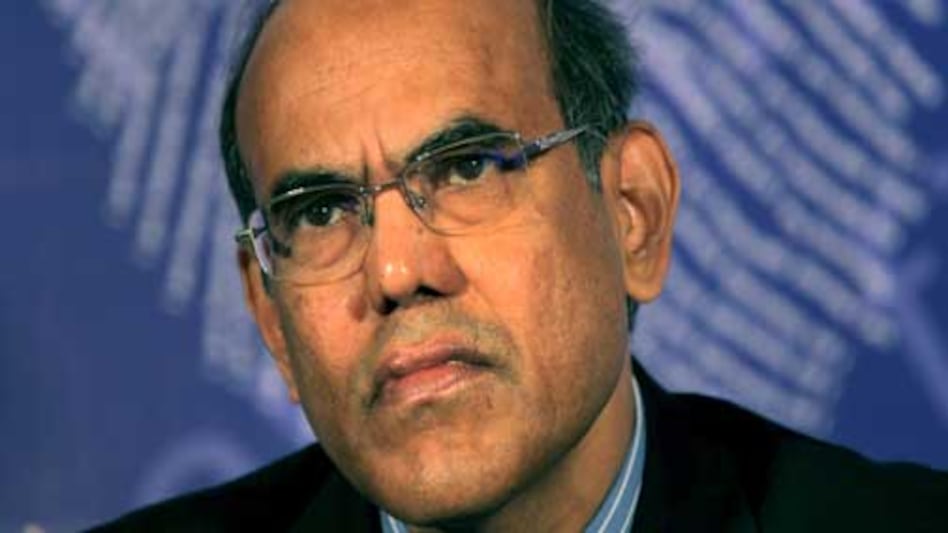
Reserve Bank of India Governor D Subbarao has hinted that the recent liquidity tightening measures will be rolled back in a calibrated manner after stability is restored to the foreign exchange market.
Anand Adhikari
- Jul 30, 2013,
- Updated Jul 30, 2013 2:57 PM IST
Anand Adhikari
ALSO FROM THE AUTHOR: Subbarao's win against inflation is growth's loss
In fact, the current situation - a moderating wholesale price inflation, prospects of food inflation softening on the back a good monsoon and decelerating growth - would have actually provided a case for reducing interest rates but for the volatility in the forex market, Subbarao said.The trouble for the domestic currency started in May after the US Federal Reserve Chairman's testimony to the US Congress was widely interpreted as a sign that the country's monetary stimulus will be withdrawn. This pushed up interest rates in the US and led to a flight of dollars from emerging markets like India, weakening the rupee. India also has a large CAD, which is well above the acceptable level of 2.5 per cent of GDP. In 2012-13 , the CAD was at 4.8 per cent of GDP. A high CAD has put further pressure on the rupee. "It has brought the external payments situation under increased stress, reflecting rising external indebtedness and the attendant burden of servicing of external liabilities," Subbarao said.Advertisement
Anand Adhikari
ALSO FROM THE AUTHOR: Subbarao's win against inflation is growth's loss
In fact, the current situation - a moderating wholesale price inflation, prospects of food inflation softening on the back a good monsoon and decelerating growth - would have actually provided a case for reducing interest rates but for the volatility in the forex market, Subbarao said.The trouble for the domestic currency started in May after the US Federal Reserve Chairman's testimony to the US Congress was widely interpreted as a sign that the country's monetary stimulus will be withdrawn. This pushed up interest rates in the US and led to a flight of dollars from emerging markets like India, weakening the rupee. India also has a large CAD, which is well above the acceptable level of 2.5 per cent of GDP. In 2012-13 , the CAD was at 4.8 per cent of GDP. A high CAD has put further pressure on the rupee. "It has brought the external payments situation under increased stress, reflecting rising external indebtedness and the attendant burden of servicing of external liabilities," Subbarao said.Advertisement
Read more!