
Silver jewellery gets safer: Govt makes HUID compulsory for hallmarked silver, boosting transparency, consumer trust
Introduced in September 2025, the mandate aims to curb unfair trade practices and ensure that every item carrying the Bureau of Indian Standards (BIS) mark genuinely reflects certified purity.
- Dec 6, 2025,
- Updated Dec 6, 2025 12:34 PM IST
The government’s decision to make Hallmarking Unique Identification (HUID) compulsory for all hallmarked silver jewellery has ushered in a major shift in the way purity is authenticated in the industry. Introduced in September 2025, the mandate aims to curb unfair trade practices and ensure that every item carrying the Bureau of Indian Standards (BIS) mark genuinely reflects certified purity. By extending the HUID framework—already operational for gold—to silver, authorities hope to create a more transparent and accountable marketplace for millions of buyers.
Early data indicate strong compliance from jewellers across the country. In just the first three months of implementation, more than 17 lakh silver jewellery articles have been hallmarked with HUID, signalling widespread adoption of the system. While hallmarking itself remains voluntary, the government has clarified that any silver item that is hallmarked must now carry a unique HUID code, ensuring full traceability.
HUID is a six-digit alphanumeric code laser-engraved on each silver article, appearing alongside the BIS Standard Mark, the word “SILVER,” and the purity grade. This digital identifier enables seamless tracking of every hallmarked piece from the point of testing to final sale, strengthening consumer protection and discouraging adulteration or misrepresentation of purity.
Pralhad Joshi, Minister of Consumer Affairs, Food and Public Distribution of India, said: "HUID in silver jewellery hallmarking marks a significant step forward in strengthening purity assurance and eliminating fake hallmarking practices. With HUID mandatory on voluntarily (BIS) Hallmarked Silver articles, each piece carries a unique 6-digit identification code that enables complete digital traceability and enhanced consumer protection."
To help buyers verify authenticity instantly, the BIS CARE mobile app—available in 12 languages on Android and iOS—provides a quick way to check hallmarked silver items. By entering the HUID printed on the jewellery, consumers can view details such as purity level, category of the item, the jeweller who submitted it for hallmarking, and the accredited assaying and hallmarking centre where testing was conducted. The feature is designed to give customers real-time assurance, especially crucial in a market where purity claims often vary widely.
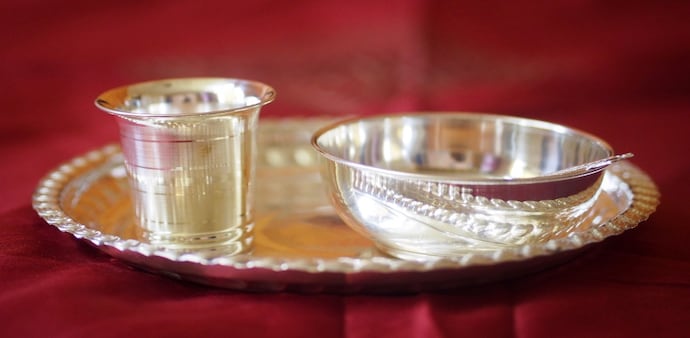
Since the rollout of the Silver HUID scheme, a diverse range of articles have undergone hallmarking, with seven categories dominating based on total weight. Silver payals and anklets account for the largest share at 27%, with most pieces certified at 800-ppt fineness. Traditional artefacts follow: silver diyas and lamps (7%), plates (7%), idols (4%), and coins (4%), with a majority of these items tested at high fineness levels such as 925 or 990 ppt. Among jewellery pieces, waist chains (2%) and bracelets (1.7%) also show significant uptake, largely concentrated around 800-ppt and 925-ppt purity grades.
The rapid expansion of HUID-based hallmarking for silver underscores the sector’s move toward standardisation, enhanced consumer trust, and tighter regulatory oversight. As adoption continues to rise, customers can expect greater transparency and assured purity across the silver jewellery and artefacts market.
Know your silver
According to MMTC, while purchasing silver for investment, gifting, or everyday use, knowing its purity is just as crucial as checking its weight or price. Many buyers unknowingly pick up lower-quality silver believing they’ve found a bargain, only to regret it later. That’s where understanding silver grades becomes essential.
Grade of silver
The grade of silver simply tells you how pure the metal is. Because pure silver is naturally soft, it’s often mixed with small amounts of other metals—usually copper—to give it strength and durability. The higher the silver content, the higher the grade. Purity is measured in parts per thousand, which is why markings like 999 or 925 indicate exactly how much of the item is real silver. In India, the most commonly seen grades include:
999 Fine Silver: At 99.9% purity, this is the closest you get to pure silver. Soft but stunning, it’s ideal for coins, bars, religious artefacts, and gifting pieces rather than everyday wear.
925 Sterling Silver: A favourite for jewellery, sterling silver contains 92.5% silver blended with 7.5% copper for strength. The “925” stamp on rings and chains signals dependable, wearable quality.
958 Silver: Known as Britannia silver, this 95.8% pure variant is softer than sterling and used selectively for silverware and crafted pieces.
Lower Grades (900, 850, 830, 800): Common in vintage or European items, these contain 80–90% silver and reflect regional craftsmanship. Understanding purity helps you shop confidently, avoid lookalikes, and get genuine value—especially when investing or gifting.
The government’s decision to make Hallmarking Unique Identification (HUID) compulsory for all hallmarked silver jewellery has ushered in a major shift in the way purity is authenticated in the industry. Introduced in September 2025, the mandate aims to curb unfair trade practices and ensure that every item carrying the Bureau of Indian Standards (BIS) mark genuinely reflects certified purity. By extending the HUID framework—already operational for gold—to silver, authorities hope to create a more transparent and accountable marketplace for millions of buyers.
Early data indicate strong compliance from jewellers across the country. In just the first three months of implementation, more than 17 lakh silver jewellery articles have been hallmarked with HUID, signalling widespread adoption of the system. While hallmarking itself remains voluntary, the government has clarified that any silver item that is hallmarked must now carry a unique HUID code, ensuring full traceability.
HUID is a six-digit alphanumeric code laser-engraved on each silver article, appearing alongside the BIS Standard Mark, the word “SILVER,” and the purity grade. This digital identifier enables seamless tracking of every hallmarked piece from the point of testing to final sale, strengthening consumer protection and discouraging adulteration or misrepresentation of purity.
Pralhad Joshi, Minister of Consumer Affairs, Food and Public Distribution of India, said: "HUID in silver jewellery hallmarking marks a significant step forward in strengthening purity assurance and eliminating fake hallmarking practices. With HUID mandatory on voluntarily (BIS) Hallmarked Silver articles, each piece carries a unique 6-digit identification code that enables complete digital traceability and enhanced consumer protection."
To help buyers verify authenticity instantly, the BIS CARE mobile app—available in 12 languages on Android and iOS—provides a quick way to check hallmarked silver items. By entering the HUID printed on the jewellery, consumers can view details such as purity level, category of the item, the jeweller who submitted it for hallmarking, and the accredited assaying and hallmarking centre where testing was conducted. The feature is designed to give customers real-time assurance, especially crucial in a market where purity claims often vary widely.
Since the rollout of the Silver HUID scheme, a diverse range of articles have undergone hallmarking, with seven categories dominating based on total weight. Silver payals and anklets account for the largest share at 27%, with most pieces certified at 800-ppt fineness. Traditional artefacts follow: silver diyas and lamps (7%), plates (7%), idols (4%), and coins (4%), with a majority of these items tested at high fineness levels such as 925 or 990 ppt. Among jewellery pieces, waist chains (2%) and bracelets (1.7%) also show significant uptake, largely concentrated around 800-ppt and 925-ppt purity grades.
The rapid expansion of HUID-based hallmarking for silver underscores the sector’s move toward standardisation, enhanced consumer trust, and tighter regulatory oversight. As adoption continues to rise, customers can expect greater transparency and assured purity across the silver jewellery and artefacts market.
Know your silver
According to MMTC, while purchasing silver for investment, gifting, or everyday use, knowing its purity is just as crucial as checking its weight or price. Many buyers unknowingly pick up lower-quality silver believing they’ve found a bargain, only to regret it later. That’s where understanding silver grades becomes essential.
Grade of silver
The grade of silver simply tells you how pure the metal is. Because pure silver is naturally soft, it’s often mixed with small amounts of other metals—usually copper—to give it strength and durability. The higher the silver content, the higher the grade. Purity is measured in parts per thousand, which is why markings like 999 or 925 indicate exactly how much of the item is real silver. In India, the most commonly seen grades include:
999 Fine Silver: At 99.9% purity, this is the closest you get to pure silver. Soft but stunning, it’s ideal for coins, bars, religious artefacts, and gifting pieces rather than everyday wear.
925 Sterling Silver: A favourite for jewellery, sterling silver contains 92.5% silver blended with 7.5% copper for strength. The “925” stamp on rings and chains signals dependable, wearable quality.
958 Silver: Known as Britannia silver, this 95.8% pure variant is softer than sterling and used selectively for silverware and crafted pieces.
Lower Grades (900, 850, 830, 800): Common in vintage or European items, these contain 80–90% silver and reflect regional craftsmanship. Understanding purity helps you shop confidently, avoid lookalikes, and get genuine value—especially when investing or gifting.