
Are you paying electricity, water or piped gas bills through UPI? Check charges above ₹2,000
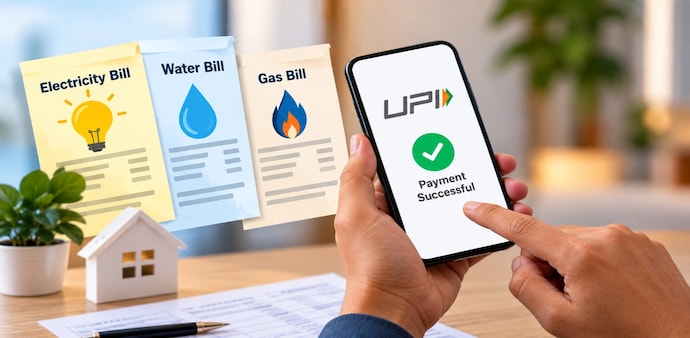
Public utility payments, including electricity distribution bills, municipal water charges and piped natural gas bills, fall under the designated Industry program category
- Sep 15, 2026,
- Updated Sep 15, 2026 8:36 PM IST
UPI Merchant Discount Rate (MDR) rules provide a concessional structure for public utility bill collections, ensuring that high-value electricity, water and piped natural gas payments do not attract a percentage-based processing fee.
Under the designated Industry program category, utility transactions are subject to specific MDR treatment based on the value of the payment.
READ THIS: Are school, college fee payments exempt from standard UPI MDR? Here’s what parents need to note
What is the MDR on utility bill payments?
Public utility payments, including electricity distribution bills, municipal water charges and piped natural gas bills, fall under the designated Industry program category.
For utility bill payments above ₹2,000, the applicable MDR is a flat concessional charge of ₹5. This means merchants and utility service providers do not have to pay the higher percentage-based MDR of 0.4% on such transactions.
The capped structure is particularly relevant for government departments, state utility boards, municipal corporations and other public bodies that process large-value consumer bill payments through digital payment channels.
| Utility payment type | Transaction value | MDR applicable |
|---|---|---|
| Electricity bill | Up to ₹2,000 | Zero MDR |
| Electricity bill | Above ₹2,000 | Flat ₹5 MDR |
| Municipal water bill | Up to ₹2,000 | Zero MDR |
| Municipal water bill | Above ₹2,000 | Flat ₹5 MDR |
| Piped natural gas bill | Up to ₹2,000 | Zero MDR |
| Piped natural gas bill | Above ₹2,000 | Flat ₹5 MDR |
Payments below ₹2,000
Utility transactions up to ₹2,000 carry zero MDR under the specified framework. This provides an additional benefit for consumers making routine, lower-value payments for essential services such as electricity and water.
As a result, utility providers can continue encouraging digital bill payments without facing a variable percentage charge on every transaction.
Why does the concessional MDR matter?
Percentage-based MDR can become significant when customers make larger payments. For example, a 0.4% charge on a high-value bill would increase the processing cost for the utility provider. A flat ₹5 cap instead provides greater predictability and limits the cost associated with collecting larger bills digitally.
The framework is therefore designed to support the digitisation of public utility collections while keeping payment processing costs under control.
For state electricity distribution companies, municipal water authorities and piped natural gas providers, the structure can make digital collections more economical. It also helps ensure that the cost of accepting digital payments does not become a significant burden for public utility organisations.
UPI Merchant Discount Rate (MDR) rules provide a concessional structure for public utility bill collections, ensuring that high-value electricity, water and piped natural gas payments do not attract a percentage-based processing fee.
Under the designated Industry program category, utility transactions are subject to specific MDR treatment based on the value of the payment.
READ THIS: Are school, college fee payments exempt from standard UPI MDR? Here’s what parents need to note
What is the MDR on utility bill payments?
Public utility payments, including electricity distribution bills, municipal water charges and piped natural gas bills, fall under the designated Industry program category.
For utility bill payments above ₹2,000, the applicable MDR is a flat concessional charge of ₹5. This means merchants and utility service providers do not have to pay the higher percentage-based MDR of 0.4% on such transactions.
The capped structure is particularly relevant for government departments, state utility boards, municipal corporations and other public bodies that process large-value consumer bill payments through digital payment channels.
| Utility payment type | Transaction value | MDR applicable |
|---|---|---|
| Electricity bill | Up to ₹2,000 | Zero MDR |
| Electricity bill | Above ₹2,000 | Flat ₹5 MDR |
| Municipal water bill | Up to ₹2,000 | Zero MDR |
| Municipal water bill | Above ₹2,000 | Flat ₹5 MDR |
| Piped natural gas bill | Up to ₹2,000 | Zero MDR |
| Piped natural gas bill | Above ₹2,000 | Flat ₹5 MDR |
Payments below ₹2,000
Utility transactions up to ₹2,000 carry zero MDR under the specified framework. This provides an additional benefit for consumers making routine, lower-value payments for essential services such as electricity and water.
As a result, utility providers can continue encouraging digital bill payments without facing a variable percentage charge on every transaction.
Why does the concessional MDR matter?
Percentage-based MDR can become significant when customers make larger payments. For example, a 0.4% charge on a high-value bill would increase the processing cost for the utility provider. A flat ₹5 cap instead provides greater predictability and limits the cost associated with collecting larger bills digitally.
The framework is therefore designed to support the digitisation of public utility collections while keeping payment processing costs under control.
For state electricity distribution companies, municipal water authorities and piped natural gas providers, the structure can make digital collections more economical. It also helps ensure that the cost of accepting digital payments does not become a significant burden for public utility organisations.