
Digital life certificates: 1.4 million super seniors go online in FY26
DLC generation saw a significant jump, rising from 16.2 million in FY2024-25 to 19 million in FY2025-26. This growth reflects both improved digital infrastructure and sustained government outreach efforts aimed at simplifying the annual life certificate submission process.
- Apr 4, 2026,
- Updated Apr 4, 2026 3:18 PM IST
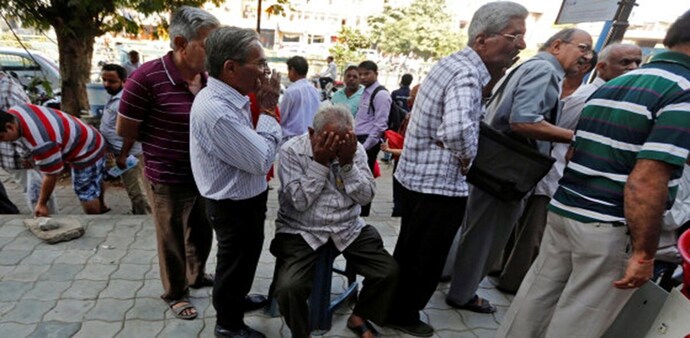
India’s push toward digitising pension services is gaining traction, particularly among its oldest citizens. In FY2025-26, over 1.41 million super senior citizens aged 80 and above submitted their Digital Life Certificates (DLCs), highlighting a steady rise in adoption of technology-driven pension compliance.
Overall, DLC generation saw a significant jump, rising from 16.2 million in FY2024-25 to 19 million in FY2025-26. This growth reflects both improved digital infrastructure and sustained government outreach efforts aimed at simplifying the annual life certificate submission process.
A key driver of this shift has been the increasing use of face authentication technology. Of the total DLCs generated in FY26, more than 11.5 million were submitted using smartphone-based face authentication, reducing dependence on physical biometric devices. This innovation has made it easier for elderly pensioners—especially those with mobility challenges—to complete the process from home.
Responding to a query in the Lok Sabha on April 1, 2026, Minister of State Jitendra Singh confirmed the scale of adoption. “A total of 1.90 crore DLCs were generated between April 1, 2025 and March 24, 2026, including 1.15 crore through face authentication. More than 14.16 lakh were generated by super senior pensioners above 80 years,” he said.
ALSO READ: Form 15H replaced by Form 121: What changes for senior citizens from April 1, 2026
The government has been actively promoting digital submissions through awareness campaigns. The latest initiative, DLC 4.0, launched during FY26, focused on expanding accessibility and improving user experience, particularly for senior and differently-abled pensioners.
The annual DLC submission window runs from November 1 to 30 for most pensioners, while super senior citizens are allowed early submission starting October 1, providing additional time and convenience.
Digital pension ecosystem
India’s digital pension ecosystem has evolved significantly over the years. The government first introduced biometric-based DLC submission in 2014, allowing pensioners to authenticate their identity using fingerprint devices. In 2021, this was further enhanced with face authentication technology, enabling submissions via smartphones without the need for specialised hardware.
To ensure wider adoption, authorities have complemented technology with on-ground support. Services of India Post, India Post Payments Bank, and Gramin Dak Sevaks are being leveraged to provide assisted and doorstep services, particularly for those who are ill, incapacitated, or unable to use digital tools independently.
ALSO READ: PPF investment rule FY27: How depositing funds before the 5th every month can maximise your returns
Additionally, pension-disbursing banks have been directed to track pending submissions and ensure timely compliance to avoid disruption in pension payments. Outreach camps and training sessions are also being conducted to familiarise elderly users with the process.
The rising adoption among super senior citizens signals growing trust in digital systems and improved accessibility. With continued policy support and technological innovation, the government aims to make pension services more inclusive, efficient, and hassle-free for millions of beneficiaries across the country.
India’s push toward digitising pension services is gaining traction, particularly among its oldest citizens. In FY2025-26, over 1.41 million super senior citizens aged 80 and above submitted their Digital Life Certificates (DLCs), highlighting a steady rise in adoption of technology-driven pension compliance.
Overall, DLC generation saw a significant jump, rising from 16.2 million in FY2024-25 to 19 million in FY2025-26. This growth reflects both improved digital infrastructure and sustained government outreach efforts aimed at simplifying the annual life certificate submission process.
A key driver of this shift has been the increasing use of face authentication technology. Of the total DLCs generated in FY26, more than 11.5 million were submitted using smartphone-based face authentication, reducing dependence on physical biometric devices. This innovation has made it easier for elderly pensioners—especially those with mobility challenges—to complete the process from home.
Responding to a query in the Lok Sabha on April 1, 2026, Minister of State Jitendra Singh confirmed the scale of adoption. “A total of 1.90 crore DLCs were generated between April 1, 2025 and March 24, 2026, including 1.15 crore through face authentication. More than 14.16 lakh were generated by super senior pensioners above 80 years,” he said.
ALSO READ: Form 15H replaced by Form 121: What changes for senior citizens from April 1, 2026
The government has been actively promoting digital submissions through awareness campaigns. The latest initiative, DLC 4.0, launched during FY26, focused on expanding accessibility and improving user experience, particularly for senior and differently-abled pensioners.
The annual DLC submission window runs from November 1 to 30 for most pensioners, while super senior citizens are allowed early submission starting October 1, providing additional time and convenience.
Digital pension ecosystem
India’s digital pension ecosystem has evolved significantly over the years. The government first introduced biometric-based DLC submission in 2014, allowing pensioners to authenticate their identity using fingerprint devices. In 2021, this was further enhanced with face authentication technology, enabling submissions via smartphones without the need for specialised hardware.
To ensure wider adoption, authorities have complemented technology with on-ground support. Services of India Post, India Post Payments Bank, and Gramin Dak Sevaks are being leveraged to provide assisted and doorstep services, particularly for those who are ill, incapacitated, or unable to use digital tools independently.
ALSO READ: PPF investment rule FY27: How depositing funds before the 5th every month can maximise your returns
Additionally, pension-disbursing banks have been directed to track pending submissions and ensure timely compliance to avoid disruption in pension payments. Outreach camps and training sessions are also being conducted to familiarise elderly users with the process.
The rising adoption among super senior citizens signals growing trust in digital systems and improved accessibility. With continued policy support and technological innovation, the government aims to make pension services more inclusive, efficient, and hassle-free for millions of beneficiaries across the country.