
Office commuter, biker bro or EV fan? GST just changed what two-wheeler you should buy
Models like the Honda Activa 125 and TVS Jupiter—staples of India’s urban mobility—will see meaningful price cuts.
- Sep 4, 2025,
- Updated Sep 4, 2025 10:23 AM IST
India’s GST overhaul has made daily commutes cheaper but hit premium bike lovers hard. From September 22, tax rates on two-wheelers will vary sharply based on engine size and fuel type—reshaping what kind of bike makes the most financial sense.
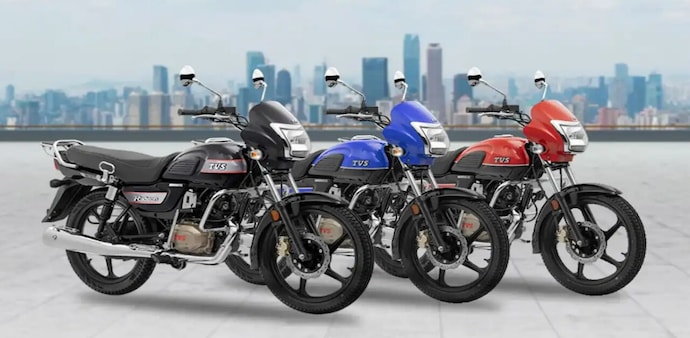
Under the revised structure, commuter bikes under 350cc now attract just 18% GST, down from 28%. For everyday buyers, that means real savings. On a ₹1 lakh bike like the Hero Splendor, Honda Shine, or TVS Apache, buyers could save ₹10,000–12,000 up front.
"This is a win for office-goers and city riders," said one Delhi dealer. Models like the Honda Activa 125 and TVS Jupiter—staples of India’s urban mobility—will see meaningful price cuts. Even three-wheelers used in logistics now fall under the lower slab, benefiting gig workers and commercial fleets.
But the relief ends there. Premium bikes above 350cc—including popular models like the Royal Enfield Himalayan 450, KTM Duke 390, and Triumph Speed 400—now fall under the new 40% luxury GST bracket, up from 31%.
A would-be buyer of a Royal Enfield Interceptor 650, for example, will face a hefty price increase, potentially pushing the on-road price beyond reach for many mid-level enthusiasts.
Meanwhile, electric bikes and scooters remain untouched at the 5% GST slab. Models like Ola Electric, Ather, TVS iQube, and Bajaj Chetak Electric remain the most tax-efficient options on the road. With fuel and maintenance already cheaper, EVs now hold a clear edge for cost-conscious and eco-minded riders.
Quick Take:
- Commuter bikes: Now cheaper by up to ₹12,000 per ₹1 lakh ex-showroom.
- Premium bikes (>350cc): Face a price hike due to new 40% GST slab.
- EV two-wheelers: Still taxed at 5%; remain the best value for urban buyers.
With festive deals expected around Diwali, value-focused buyers are in a sweet spot. For big-bike lovers, though, the new GST may force a rethink—or a shift to electric.
India’s GST overhaul has made daily commutes cheaper but hit premium bike lovers hard. From September 22, tax rates on two-wheelers will vary sharply based on engine size and fuel type—reshaping what kind of bike makes the most financial sense.
Under the revised structure, commuter bikes under 350cc now attract just 18% GST, down from 28%. For everyday buyers, that means real savings. On a ₹1 lakh bike like the Hero Splendor, Honda Shine, or TVS Apache, buyers could save ₹10,000–12,000 up front.
"This is a win for office-goers and city riders," said one Delhi dealer. Models like the Honda Activa 125 and TVS Jupiter—staples of India’s urban mobility—will see meaningful price cuts. Even three-wheelers used in logistics now fall under the lower slab, benefiting gig workers and commercial fleets.
But the relief ends there. Premium bikes above 350cc—including popular models like the Royal Enfield Himalayan 450, KTM Duke 390, and Triumph Speed 400—now fall under the new 40% luxury GST bracket, up from 31%.
A would-be buyer of a Royal Enfield Interceptor 650, for example, will face a hefty price increase, potentially pushing the on-road price beyond reach for many mid-level enthusiasts.
Meanwhile, electric bikes and scooters remain untouched at the 5% GST slab. Models like Ola Electric, Ather, TVS iQube, and Bajaj Chetak Electric remain the most tax-efficient options on the road. With fuel and maintenance already cheaper, EVs now hold a clear edge for cost-conscious and eco-minded riders.
Quick Take:
- Commuter bikes: Now cheaper by up to ₹12,000 per ₹1 lakh ex-showroom.
- Premium bikes (>350cc): Face a price hike due to new 40% GST slab.
- EV two-wheelers: Still taxed at 5%; remain the best value for urban buyers.
With festive deals expected around Diwali, value-focused buyers are in a sweet spot. For big-bike lovers, though, the new GST may force a rethink—or a shift to electric.