
Union Budget 2026: FM announces key direct tax changes, eases filing, TDS Rules; tax slabs unchanged
As part of the changes, the tax filing deadline for non-audit trusts has been extended to August 31, while the due date for salaried taxpayers remains unchanged at July 31.
- Feb 1, 2026,
- Updated Feb 1, 2026 12:26 PM IST
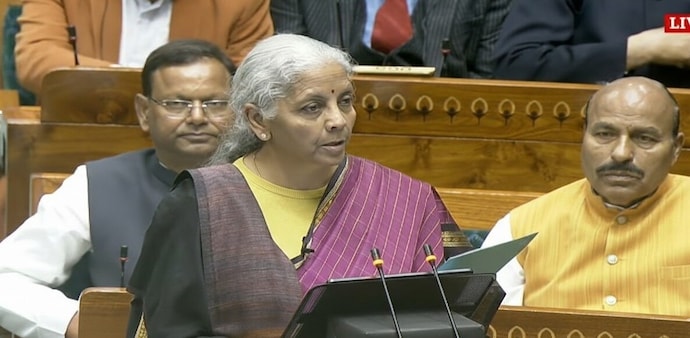
Tax rule changes: Finance Minister Nirmala Sitharaman on Sunday unveiled a series of measures aimed at simplifying compliance, improving transparency and easing the burden on small taxpayers under the direct tax framework.
Budget 2026 LIVE Updates: New Income Tax Act to come in April '26, no changes in income tax
As part of the changes, the tax filing deadline for non-audit trusts has been extended to August 31, while the due date for salaried taxpayers remains unchanged at July 31. The filing deadline for ITR-1 and ITR-2 will also continue to be July 31.
To tighten compliance, the government proposed mandatory TDS on the sale of immovable property by non-residents and bringing the supply of manpower services under the tax deducted at source (TDS) mechanism. At the same time, Sitharaman said the government is considering staggering tax return filing timelines to ease system load and taxpayer congestion.
The Budget also proposes extending the time limit to revise income tax returns up to March 31, subject to a small fee, providing relief to taxpayers who miss earlier deadlines. A new scheme for small taxpayers has also been announced to simplify compliance and reduce disputes.
"I propose to extend time available for revising returns from 31st December to up to 31st March with the payment of a nominal fee. I also propose to stagger the timeline for filing of tax returns - individuals with ITR 1 and ITR 2 will continue to file till 31st July and non-audit business cases or trust are proposed to be allowed time till 31st August."
On overseas spending, the finance minister said the TCS rate under the Liberalised Remittance Scheme (LRS) will be reduced to 2% for education and medical purposes.
Sitharaman added that new income tax return forms under the proposed legislation will be notified shortly. The New Income Tax Act is slated to come into effect from April 1, with corresponding forms and procedures to be rolled out ahead of implementation.
Rajarshi Dasgupta, Executive Director - Tax, AQUILAW, said: “Allowing taxpayers to file a revised income tax return up to March 31 with a nominal fee is a significant step towards a more facilitative and trust-based tax system. Many taxpayers miss earlier deadlines due to genuine errors, delayed information, or lack of clarity, and this extended window provides a practical opportunity to correct mistakes without facing harsh penalties. The move encourages voluntary compliance, reduces litigation, and aligns with the government’s broader objective of making tax administration simpler, more humane, and taxpayer-friendly.”
No changes in tax slabs
Last year, FM Sitharaman revamped the income tax structure by widening slabs under the new tax regime and raising the basic exemption limit to RS 4 lakh, offering broader relief to salaried taxpayers. In contrast, the old tax regime continues with age-based exemptions — Rs 2.5 lakh for individuals below 60 years, Rs 3 lakh for resident senior citizens, and Rs 5 lakh for super senior citizens aged above 80 years.
Under the new regime, income up to Rs 4 lakh is tax-free, with progressive rates of 5% for Rs 4–8 lakh, 10% for Rs 8–12 lakh, 15% for Rs 12–16 lakh, 20% for ₹16–20 lakh, 25% for Rs 20–24 lakh, and 30% for income above Rs 24 lakh. The old regime retains steeper slabs, with a 30% rate kicking in above Rs 10 lakh.
A major attraction of the new regime is the higher standard deduction of Rs 75,000, compared with Rs 50,000 under the old system, along with a higher family pension deduction of Rs 25,000. From FY 2025–26, taxpayers with salaries up to Rs 12.75 lakh can effectively pay no tax, while those earning up to ₹25 lakh may save over Rs 1 lakh by opting for the new regime.
Tax rule changes: Finance Minister Nirmala Sitharaman on Sunday unveiled a series of measures aimed at simplifying compliance, improving transparency and easing the burden on small taxpayers under the direct tax framework.
Budget 2026 LIVE Updates: New Income Tax Act to come in April '26, no changes in income tax
As part of the changes, the tax filing deadline for non-audit trusts has been extended to August 31, while the due date for salaried taxpayers remains unchanged at July 31. The filing deadline for ITR-1 and ITR-2 will also continue to be July 31.
To tighten compliance, the government proposed mandatory TDS on the sale of immovable property by non-residents and bringing the supply of manpower services under the tax deducted at source (TDS) mechanism. At the same time, Sitharaman said the government is considering staggering tax return filing timelines to ease system load and taxpayer congestion.
The Budget also proposes extending the time limit to revise income tax returns up to March 31, subject to a small fee, providing relief to taxpayers who miss earlier deadlines. A new scheme for small taxpayers has also been announced to simplify compliance and reduce disputes.
"I propose to extend time available for revising returns from 31st December to up to 31st March with the payment of a nominal fee. I also propose to stagger the timeline for filing of tax returns - individuals with ITR 1 and ITR 2 will continue to file till 31st July and non-audit business cases or trust are proposed to be allowed time till 31st August."
On overseas spending, the finance minister said the TCS rate under the Liberalised Remittance Scheme (LRS) will be reduced to 2% for education and medical purposes.
Sitharaman added that new income tax return forms under the proposed legislation will be notified shortly. The New Income Tax Act is slated to come into effect from April 1, with corresponding forms and procedures to be rolled out ahead of implementation.
Rajarshi Dasgupta, Executive Director - Tax, AQUILAW, said: “Allowing taxpayers to file a revised income tax return up to March 31 with a nominal fee is a significant step towards a more facilitative and trust-based tax system. Many taxpayers miss earlier deadlines due to genuine errors, delayed information, or lack of clarity, and this extended window provides a practical opportunity to correct mistakes without facing harsh penalties. The move encourages voluntary compliance, reduces litigation, and aligns with the government’s broader objective of making tax administration simpler, more humane, and taxpayer-friendly.”
No changes in tax slabs
Last year, FM Sitharaman revamped the income tax structure by widening slabs under the new tax regime and raising the basic exemption limit to RS 4 lakh, offering broader relief to salaried taxpayers. In contrast, the old tax regime continues with age-based exemptions — Rs 2.5 lakh for individuals below 60 years, Rs 3 lakh for resident senior citizens, and Rs 5 lakh for super senior citizens aged above 80 years.
Under the new regime, income up to Rs 4 lakh is tax-free, with progressive rates of 5% for Rs 4–8 lakh, 10% for Rs 8–12 lakh, 15% for Rs 12–16 lakh, 20% for ₹16–20 lakh, 25% for Rs 20–24 lakh, and 30% for income above Rs 24 lakh. The old regime retains steeper slabs, with a 30% rate kicking in above Rs 10 lakh.
A major attraction of the new regime is the higher standard deduction of Rs 75,000, compared with Rs 50,000 under the old system, along with a higher family pension deduction of Rs 25,000. From FY 2025–26, taxpayers with salaries up to Rs 12.75 lakh can effectively pay no tax, while those earning up to ₹25 lakh may save over Rs 1 lakh by opting for the new regime.