
'Time has come for residential REITs': Raymond’s Gautam Singhania seeks GST reforms to boost real estate growth
The demands come at a time when Mumbai's infrastructure expansion is creating new development corridors and changing the city's residential landscape
- Sep 10, 2026,
- Updated Sep 10, 2026 5:00 AM IST
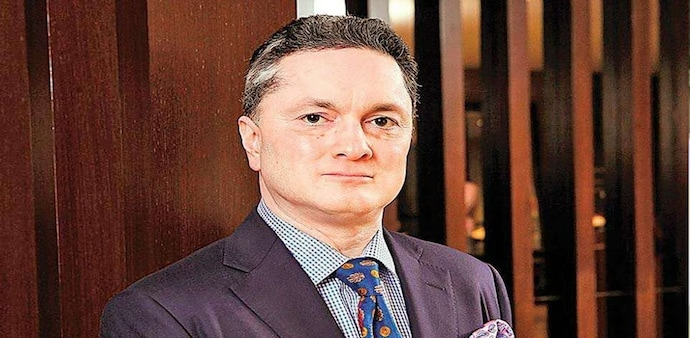
The time has come for residential Real Estate Investment Trusts (REITs) in India, Raymond Realty Chairman Gautam Singhania has said, as the country's real estate sector enters a new phase of growth driven by infrastructure development, urbanisation and redevelopment.
Speaking at the Real Estate & Infrastructure Investors’ Summit (REIIS) 2026, Singhania said residential REITs could provide a new avenue for institutional capital to enter the housing sector. His remarks were reported by Businessworld.
“India’s real estate sector is at the epicentre of the nation’s transformation towards a $10 trillion-plus economy by 2047,” Singhania was quoted as saying.
READ THIS: M3M beats real estate giant DLF in ₹1,850 crore Noida land auction
“With the sector already contributing over 7 per cent to GDP, infrastructure-led growth is reshaping Mumbai and the MMR, creating new economic and residential growth centres,” he added.
Singhania calls for residential REIT framework
Singhania argued that India needs to broaden the institutional investment base for real estate, particularly as demand for rental housing and professionally managed residential assets grows.
“The time has come for residential REITs,” Singhania said, pointing to the potential for such investment vehicles to unlock institutional capital for the residential segment.
He also called for a dedicated framework for rental housing, saying the sector needs a stronger institutional structure to meet changing urban housing requirements.
Easier financing needed for upfront project costs
Another key issue highlighted by Singhania was financing. He called for easier access to capital for developers to meet upfront project development costs.
Singhania sought deeper institutional capital and easier financing for upfront development costs, measures that could improve liquidity and support the execution of large residential and redevelopment projects.
DON'T MISS: Golf Course Extension Road gets ₹35,000 crore luxury housing push as Gurugram market surges
He also called for faster urban redevelopment, particularly as Mumbai and the wider Mumbai Metropolitan Region undergo infrastructure-led expansion.
GST rationalisation among key demands
Singhania also raised the issue of taxation and called for GST rationalisation in the real estate sector.
His policy recommendations included greater institutional participation, easier project financing, a dedicated rental housing framework, GST rationalisation, and faster redevelopment.
The demands come at a time when Mumbai's infrastructure expansion is creating new development corridors and changing the city's residential landscape.
Singhania said infrastructure-led development is creating new economic and residential centres across Mumbai and the Mumbai Metropolitan Region.
The proposed expansion of infrastructure, connectivity, and new urban centres could open up opportunities for residential, commercial, and other real estate asset classes.
ALSO READ: 'Affordable today, distress tomorrow': ISB professor's warning for Indian home loan borrowers
The time has come for residential Real Estate Investment Trusts (REITs) in India, Raymond Realty Chairman Gautam Singhania has said, as the country's real estate sector enters a new phase of growth driven by infrastructure development, urbanisation and redevelopment.
Speaking at the Real Estate & Infrastructure Investors’ Summit (REIIS) 2026, Singhania said residential REITs could provide a new avenue for institutional capital to enter the housing sector. His remarks were reported by Businessworld.
“India’s real estate sector is at the epicentre of the nation’s transformation towards a $10 trillion-plus economy by 2047,” Singhania was quoted as saying.
READ THIS: M3M beats real estate giant DLF in ₹1,850 crore Noida land auction
“With the sector already contributing over 7 per cent to GDP, infrastructure-led growth is reshaping Mumbai and the MMR, creating new economic and residential growth centres,” he added.
Singhania calls for residential REIT framework
Singhania argued that India needs to broaden the institutional investment base for real estate, particularly as demand for rental housing and professionally managed residential assets grows.
“The time has come for residential REITs,” Singhania said, pointing to the potential for such investment vehicles to unlock institutional capital for the residential segment.
He also called for a dedicated framework for rental housing, saying the sector needs a stronger institutional structure to meet changing urban housing requirements.
Easier financing needed for upfront project costs
Another key issue highlighted by Singhania was financing. He called for easier access to capital for developers to meet upfront project development costs.
Singhania sought deeper institutional capital and easier financing for upfront development costs, measures that could improve liquidity and support the execution of large residential and redevelopment projects.
DON'T MISS: Golf Course Extension Road gets ₹35,000 crore luxury housing push as Gurugram market surges
He also called for faster urban redevelopment, particularly as Mumbai and the wider Mumbai Metropolitan Region undergo infrastructure-led expansion.
GST rationalisation among key demands
Singhania also raised the issue of taxation and called for GST rationalisation in the real estate sector.
His policy recommendations included greater institutional participation, easier project financing, a dedicated rental housing framework, GST rationalisation, and faster redevelopment.
The demands come at a time when Mumbai's infrastructure expansion is creating new development corridors and changing the city's residential landscape.
Singhania said infrastructure-led development is creating new economic and residential centres across Mumbai and the Mumbai Metropolitan Region.
The proposed expansion of infrastructure, connectivity, and new urban centres could open up opportunities for residential, commercial, and other real estate asset classes.
ALSO READ: 'Affordable today, distress tomorrow': ISB professor's warning for Indian home loan borrowers