
Peak XV-backed Avataar launches indigenous video model Varya, bets on low-cost AI video generation
Varya can generate video at a cost of about Rs 0.48 per second, making it up to 10 times more efficient than several leading global video models based on its internal benchmarks.
- Jun 12, 2026,
- Updated Jun 12, 2026 11:38 AM IST
As India pushes to build homegrown artificial intelligence capabilities, startup Avataar.ai on June 12 unveiled Varya, a video-generation model developed with support from the IndiaAI Mission, positioning it as a lower-cost alternative to some of the world's leading AI video systems.
The launch comes at a time when India is attempting to move beyond being a consumer of global AI models and create indigenous foundation technologies for local languages, cultures and use cases.
Must read: Exponent Energy bags Rs 200 crore funding as it pivots from charging startup to energy company
Avataar, backed by Peak XV Partners, said Varya uses a distillation-based architecture that reduces video generation from 50 steps to four while maintaining comparable output quality. According to the company, the model can generate video at a cost of about Rs 0.48 per second, making it up to 10 times more efficient than several leading global video models based on its internal benchmarks.
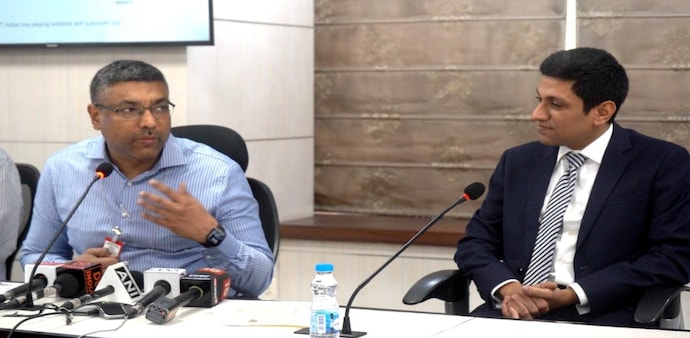
The model was launched in the presence of S. Krishnan, Secretary, Ministry of Electronics and Information Technology (MeitY), who described it as a milestone for India's AI ambitions.
"The launch of one of the foundational models supported under the IndiaAI Mission marks a significant milestone in India's AI journey," Krishnan said. "Varya represents the kind of research-led capability building that we seek to enable."
Krishnan added that the model reflects India's efforts to build indigenous AI capabilities and create the building blocks for the next generation of AI applications.
Must read: This startup CEO spent $13,000 AI bill on OpenAI’s Codex in a single month
"Through strategic support for foundational models, we are enabling innovation at scale and creating the building blocks for the next generation of AI solutions," he said.
Avataar said Varya was developed using subsidised compute infrastructure provided through the IndiaAI Mission, underscoring the government's strategy of using public AI infrastructure to help domestic startups build foundational technologies.
"India's AI opportunity will not be defined only by the largest models. It will also be defined by the most efficient models," said Sravanth Aluru, CEO and co-founder of Avataar.
"Varya demonstrates that frontier-quality video AI can be made dramatically more efficient and accessible. For a country of 1.4 billion people, affordability is not a feature, it is a prerequisite," Aluru said.
The company argues that lower inference costs will be critical if AI tools are to be deployed at population scale across sectors such as education, commerce, public services and small businesses.
Built for Indian contexts
Unlike general-purpose video models trained largely on global internet data, Avataar claims that Varya has been designed to better understand Indian cultural and visual contexts.
The company said the model has been trained to generate content reflecting India's regions, festivals, food, clothing, communities and everyday environments. Potential use cases range from classroom learning content and government communication to product advertising for small businesses.
For Unparalleled coverage of India's Businesses and Economy – Subscribe to Business Today Magazine
As India pushes to build homegrown artificial intelligence capabilities, startup Avataar.ai on June 12 unveiled Varya, a video-generation model developed with support from the IndiaAI Mission, positioning it as a lower-cost alternative to some of the world's leading AI video systems.
The launch comes at a time when India is attempting to move beyond being a consumer of global AI models and create indigenous foundation technologies for local languages, cultures and use cases.
Must read: Exponent Energy bags Rs 200 crore funding as it pivots from charging startup to energy company
Avataar, backed by Peak XV Partners, said Varya uses a distillation-based architecture that reduces video generation from 50 steps to four while maintaining comparable output quality. According to the company, the model can generate video at a cost of about Rs 0.48 per second, making it up to 10 times more efficient than several leading global video models based on its internal benchmarks.
The model was launched in the presence of S. Krishnan, Secretary, Ministry of Electronics and Information Technology (MeitY), who described it as a milestone for India's AI ambitions.
"The launch of one of the foundational models supported under the IndiaAI Mission marks a significant milestone in India's AI journey," Krishnan said. "Varya represents the kind of research-led capability building that we seek to enable."
Krishnan added that the model reflects India's efforts to build indigenous AI capabilities and create the building blocks for the next generation of AI applications.
Must read: This startup CEO spent $13,000 AI bill on OpenAI’s Codex in a single month
"Through strategic support for foundational models, we are enabling innovation at scale and creating the building blocks for the next generation of AI solutions," he said.
Avataar said Varya was developed using subsidised compute infrastructure provided through the IndiaAI Mission, underscoring the government's strategy of using public AI infrastructure to help domestic startups build foundational technologies.
"India's AI opportunity will not be defined only by the largest models. It will also be defined by the most efficient models," said Sravanth Aluru, CEO and co-founder of Avataar.
"Varya demonstrates that frontier-quality video AI can be made dramatically more efficient and accessible. For a country of 1.4 billion people, affordability is not a feature, it is a prerequisite," Aluru said.
The company argues that lower inference costs will be critical if AI tools are to be deployed at population scale across sectors such as education, commerce, public services and small businesses.
Built for Indian contexts
Unlike general-purpose video models trained largely on global internet data, Avataar claims that Varya has been designed to better understand Indian cultural and visual contexts.
The company said the model has been trained to generate content reflecting India's regions, festivals, food, clothing, communities and everyday environments. Potential use cases range from classroom learning content and government communication to product advertising for small businesses.
For Unparalleled coverage of India's Businesses and Economy – Subscribe to Business Today Magazine