
Apple Pay is finally in India, but can it challenge UPI? Here's what you need to know
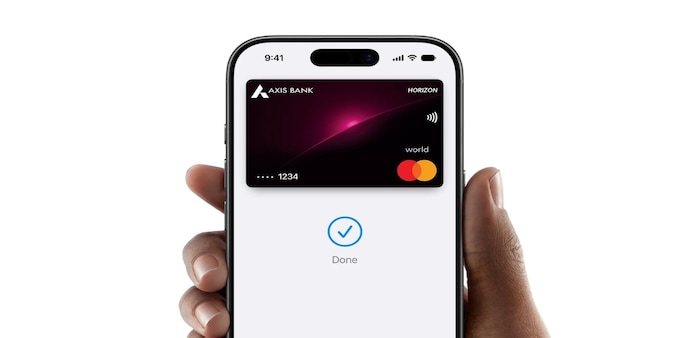
Apple has finally introduced Apple Pay in India, enabling contactless payments using eligible Axis Bank cards on Apple devices. While UPI continues to lead digital payments, Apple Pay offers a new card-based alternative for iPhone users.
- Sep 30, 2026,
- Updated Sep 30, 2026 3:27 PM IST
Apple has officially launched its digital payment platform, Apple Pay, in India after 12 years of existing in global markets. Initially, the platform is compatible with iPhone, iPad, and Apple Watch, with Mac support is expected to roll out soon. Apple has partnered with Axis Bank; bringing eligible Visa and Mastercard networks to the Wallet app for contactless and online payments.
Unlike payment apps such as Google Pay and PhonePe, Apple Pay does not support UPI payments at launch. Instead, it relies on eligible cards issued by participating banks. Now, with Apple Pay’s entry in India, will it challenge the country’s Unified Payments Interface (UPI) market? Well, the two platforms work differently: Apple Pay uses eligible cards, while UPI enables direct bank-account-to-bank-account payments.
Must read: Apple Pay launches in India across iPhone, iPad and Apple Watch; here’s how to use it
How are card-based and bank account-based payments different?
India’s UPI system has dominated the market for years, simplifying the digital payment process. Users can send money from one bank account to another with ease by simply scanning a QR code or entering a phone number or UPI ID.
Apple Pay takes a different approach. It digitises users' existing credit or debit cards and stores them in Wallet. For contactless payments, users can hold a compatible iPhone or Apple Watch near an NFC-enabled terminal and authenticate using Face ID, Touch ID, or the device passcode. Apple Pay can also be used for online and in-app purchases.
For readers unaware of NFC technology, it is a short-range wireless technology that enables contactless payments; Apple Pay is the payment platform that uses it when users tap their device at a compatible terminal.
Must read: PayU brings Apple Pay to merchant network in India: What users need to know
Tarun Pathak, Counterpoint analyst, in an X post said, “The Apple Pay launch strengthens Apple's ecosystem in India and adds a services layer in what is now its third-largest iPhone market globally by volume.” However, he also added that “UPI will continue to dominate everyday payments in India.”
Apple Pay in India
At launch, Apple Pay supports eligible Axis Bank credit cards on the Visa and Mastercard networks. However, RuPay cards are not supported at launch. Apple is also in discussions with other major banks, including HDFC Bank and ICICI Bank, although no other bank partnerships had been finalised at launch.
Apple says Apple Pay is accepted by “millions of merchants,” with some partners including Apple Store locations, Blinkit, Chaayos, Croma, Ixigo, Reliance brands, Tata 1mg and Zomato. Apple has also partnered with payment service providers Cashfree, JusPay, Mswipe, Paytm, PayU, Pine Labs, Razorpay and Worldline to extend acceptance.
Must read: Apple layoffs: Over 5,000 AppleCare jobs could have been replaced by AI, report says
Will Apple Pay challenge UPI?
UPI has a strong presence in India, with services spread across platforms including Google Pay, Paytm, PhonePe, and others. As per NPCI, UPI processed a record 24.51 billion transactions worth Rs 29.82 lakh crore in August 2026. The average UPI payment in August was about Rs 1,217, which showcases heavy use for everyday purchases.
Apple Pay starts from a much smaller base as its only available to users with iPhone, Apple Watch and iPad users and users who hold an eligible Axis Bank credit card. Therefore, Apple Pay is not a direct UPI alternative, and there’s also a possibility that it may sit next to UPI rather than replace it.
For Unparalleled coverage of India's Businesses and Economy – Subscribe to Business Today Magazine
Apple has officially launched its digital payment platform, Apple Pay, in India after 12 years of existing in global markets. Initially, the platform is compatible with iPhone, iPad, and Apple Watch, with Mac support is expected to roll out soon. Apple has partnered with Axis Bank; bringing eligible Visa and Mastercard networks to the Wallet app for contactless and online payments.
Unlike payment apps such as Google Pay and PhonePe, Apple Pay does not support UPI payments at launch. Instead, it relies on eligible cards issued by participating banks. Now, with Apple Pay’s entry in India, will it challenge the country’s Unified Payments Interface (UPI) market? Well, the two platforms work differently: Apple Pay uses eligible cards, while UPI enables direct bank-account-to-bank-account payments.
Must read: Apple Pay launches in India across iPhone, iPad and Apple Watch; here’s how to use it
How are card-based and bank account-based payments different?
India’s UPI system has dominated the market for years, simplifying the digital payment process. Users can send money from one bank account to another with ease by simply scanning a QR code or entering a phone number or UPI ID.
Apple Pay takes a different approach. It digitises users' existing credit or debit cards and stores them in Wallet. For contactless payments, users can hold a compatible iPhone or Apple Watch near an NFC-enabled terminal and authenticate using Face ID, Touch ID, or the device passcode. Apple Pay can also be used for online and in-app purchases.
For readers unaware of NFC technology, it is a short-range wireless technology that enables contactless payments; Apple Pay is the payment platform that uses it when users tap their device at a compatible terminal.
Must read: PayU brings Apple Pay to merchant network in India: What users need to know
Tarun Pathak, Counterpoint analyst, in an X post said, “The Apple Pay launch strengthens Apple's ecosystem in India and adds a services layer in what is now its third-largest iPhone market globally by volume.” However, he also added that “UPI will continue to dominate everyday payments in India.”
Apple Pay in India
At launch, Apple Pay supports eligible Axis Bank credit cards on the Visa and Mastercard networks. However, RuPay cards are not supported at launch. Apple is also in discussions with other major banks, including HDFC Bank and ICICI Bank, although no other bank partnerships had been finalised at launch.
Apple says Apple Pay is accepted by “millions of merchants,” with some partners including Apple Store locations, Blinkit, Chaayos, Croma, Ixigo, Reliance brands, Tata 1mg and Zomato. Apple has also partnered with payment service providers Cashfree, JusPay, Mswipe, Paytm, PayU, Pine Labs, Razorpay and Worldline to extend acceptance.
Must read: Apple layoffs: Over 5,000 AppleCare jobs could have been replaced by AI, report says
Will Apple Pay challenge UPI?
UPI has a strong presence in India, with services spread across platforms including Google Pay, Paytm, PhonePe, and others. As per NPCI, UPI processed a record 24.51 billion transactions worth Rs 29.82 lakh crore in August 2026. The average UPI payment in August was about Rs 1,217, which showcases heavy use for everyday purchases.
Apple Pay starts from a much smaller base as its only available to users with iPhone, Apple Watch and iPad users and users who hold an eligible Axis Bank credit card. Therefore, Apple Pay is not a direct UPI alternative, and there’s also a possibility that it may sit next to UPI rather than replace it.
For Unparalleled coverage of India's Businesses and Economy – Subscribe to Business Today Magazine