
Does India subsidise Apple’s iPhones? Ashwini Vaishnaw responds with numbers
Bloomberg raises concerns over India’s import dependence on high-value iPhone components, including memory chips, processors, displays, camera lenses and batteries.
- Oct 28, 2026,
- Updated Oct 28, 2026 5:09 PM IST
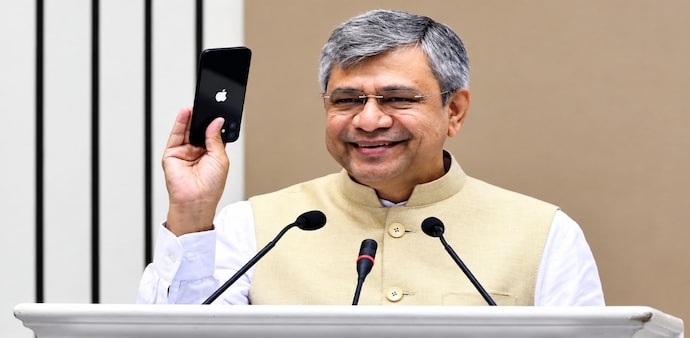
Apple iPhone manufacturing expansion in India is being criticised over the use of taxpayer-funded subsidies, as questions are being raised about whether the incentives are building India’s domestic electronics ecosystem or just encouraging assembly of products. Amid speculation, India’s Union Electronics and IT Minister Ashwini Vaishnaw provided clarity, citing tax revenues and employment figures to highlight the economic benefits of the Production Linked Incentive (PLI) scheme.
Citing a Bloomberg video on X, Vaishnaw defended the incentives, saying that the government has collected Rs 25,000 crore in direct tax collections and Rs 3 lakh crore in GST revenue. But it has spent Rs 19,000 crore under the mobile manufacturing incentive programme.
Must read: iPhone sales slow in India: Festive demand falls by up to 30%, raising questions over Apple’s demand
In terms of employment, he stated that electronics manufacturing employs 25 lakh people, including 12 lakh in mobile manufacturing. Vaishnaw portrayed the scheme as a success because it has generated tax revenue and created jobs. To challenge critics, Vaishnaw said, “Cope harder.”
Why did Bloomberg criticise India’s iPhone manufacturing plans?
Bloomberg Opinion columnist Andy Mukherjee dismantled an iPhone in Hong Kong to check where its components came from and to examine India's manufacturing capabilities. He acknowledged how India has rapidly expanded its manufacturing power, and estimated that this shift improved India's mobile trade balance by $2.1 billion in a year.
However, his major concern was India’s import dependence on high-value iPhone components, including memory chips, processors, displays, camera lenses, and batteries. He also highlighted that the cost of importing components is higher in India than the export of finished mobile phones. He questioned whether the value India adds through local manufacturing is enough to offset those imports.
Must read: Apple iPhone Duo screens develop lines days after launch, company offers replacements
Mukherjee also questioned India’s financial incentives scheme to encourage companies to manufacture mobile phones in India, when it comes to economic benefits. He also stated that manufacturing in India is expensive; taxpayers could end up spending more on incentives than factory workers receive in additional wages.
He highlighted the rising global memory-chip prices, which could further make manufacturing more expensive. However, there’s no proof that the scheme has resulted in a net loss for India.
For Unparalleled coverage of India's Businesses and Economy – Subscribe to Business Today Magazine