
Festive sales are heating up, but so are online shopping scams: How to stay safe
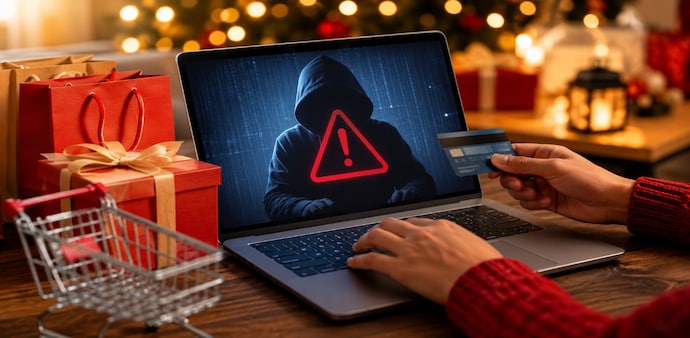
Festive discounts can be tempting, but the shopping rush also gives cybercriminals opportunities to exploit urgency, fake websites, payment links and consumer data through increasingly sophisticated digital tactics.
- Aug 31, 2026,
- Updated Aug 31, 2026 1:04 PM IST
Festive shopping often means crowded online marketplaces, limited-period offers and a constant stream of notifications urging you to act quickly. While these sales can make it easier to find attractive prices, the same urgency can also create opportunities for fraudsters.
Must Read: Apple Pencil for foldable iPhone Ultra tested, though release remains improbable
Scammers can exploit shoppers through fake websites, misleading offers, suspicious links and deceptive payment requests. Your personal and payment information can also become a target while you browse or transact online. Understanding how these scams work and recognising warning signs can help you slow down, verify every step and make safer purchases during the festive shopping season.
Fake deals can lead you into traps
Scammers can create websites and mobile applications designed to closely resemble genuine shopping platforms. You may come across unusually steep discounts, or limited-stock offers that create pressure to complete a purchase without checking whether the platform is genuine.
Fraudulent links can arrive through emails, SMS messages, social media or messaging apps. Some may imitate retailers, delivery partners or vendors. Clicking these links could take you to fake websites or payment pages designed to capture your login credentials, card details or other personal information.
Payment scams can target shoppers
Be particularly careful with unexpected payment requests. A message claiming that you need to pay a delivery charge, customs fee or outstanding invoice could be fraudulent. Fake payment links can appear genuine and may be shared through multiple digital channels.
Must Read: John Ternus’ biggest challenge as Apple CEO: Reshaping a decades-old leadership team
Before paying, check whether the request follows an order or conversation you initiated. Verify that the payment URL belongs to the relevant business and carefully check the amount before using your card or UPI.
Your online activity can also be tracked
Shopping platforms use machine learning, automated scripts and tracking pixels to understand consumer behaviour. Information such as device specifications, operating system, screen resolution, browser plugins and mouse movements can be examined.
Products you view elsewhere may also be linked with social media activity, allowing platforms to understand preferences and deliver targeted products, advertisements and discounts.
Simple checks can keep you safer
Before buying, carefully check the website URL and watch for poor grammar or misspelt words. Avoid unfamiliar or unsolicited links and be cautious about deals that appear too good to be true.
Keep multi-factor authentication enabled, use trusted platforms and secure payment gateways, and avoid giving apps unnecessary access to your contacts, messages, passwords or card information. If a payment request seems unfamiliar, do not proceed.
For Unparalleled coverage of India's Businesses and Economy – Subscribe to Business Today Magazine
Festive shopping often means crowded online marketplaces, limited-period offers and a constant stream of notifications urging you to act quickly. While these sales can make it easier to find attractive prices, the same urgency can also create opportunities for fraudsters.
Must Read: Apple Pencil for foldable iPhone Ultra tested, though release remains improbable
Scammers can exploit shoppers through fake websites, misleading offers, suspicious links and deceptive payment requests. Your personal and payment information can also become a target while you browse or transact online. Understanding how these scams work and recognising warning signs can help you slow down, verify every step and make safer purchases during the festive shopping season.
Fake deals can lead you into traps
Scammers can create websites and mobile applications designed to closely resemble genuine shopping platforms. You may come across unusually steep discounts, or limited-stock offers that create pressure to complete a purchase without checking whether the platform is genuine.
Fraudulent links can arrive through emails, SMS messages, social media or messaging apps. Some may imitate retailers, delivery partners or vendors. Clicking these links could take you to fake websites or payment pages designed to capture your login credentials, card details or other personal information.
Payment scams can target shoppers
Be particularly careful with unexpected payment requests. A message claiming that you need to pay a delivery charge, customs fee or outstanding invoice could be fraudulent. Fake payment links can appear genuine and may be shared through multiple digital channels.
Must Read: John Ternus’ biggest challenge as Apple CEO: Reshaping a decades-old leadership team
Before paying, check whether the request follows an order or conversation you initiated. Verify that the payment URL belongs to the relevant business and carefully check the amount before using your card or UPI.
Your online activity can also be tracked
Shopping platforms use machine learning, automated scripts and tracking pixels to understand consumer behaviour. Information such as device specifications, operating system, screen resolution, browser plugins and mouse movements can be examined.
Products you view elsewhere may also be linked with social media activity, allowing platforms to understand preferences and deliver targeted products, advertisements and discounts.
Simple checks can keep you safer
Before buying, carefully check the website URL and watch for poor grammar or misspelt words. Avoid unfamiliar or unsolicited links and be cautious about deals that appear too good to be true.
Keep multi-factor authentication enabled, use trusted platforms and secure payment gateways, and avoid giving apps unnecessary access to your contacts, messages, passwords or card information. If a payment request seems unfamiliar, do not proceed.
For Unparalleled coverage of India's Businesses and Economy – Subscribe to Business Today Magazine