
From protest to reels: PM Modi's Instagram engagement jumps 290% as politics move to Gen Z's feed
From Modi's midnight reels to Rahul Gandhi's student ask me anything sessions (AMAs), leader-first content is now driving a dramatic surge in engagement, far outpacing party handles.
- Aug 27, 2026,
- Updated Aug 27, 2026 5:18 PM IST
After the Cockroach Janata Party (CJP) protest that drew thousands of Gen-Z demonstrators to Delhi's Jantar Mantar and Parliament, India's top political figures have pivoted hard to Instagram—and the numbers show it's working. From Modi's midnight reels to Rahul Gandhi's student ask me anything sessions (AMAs), leader-first content is now driving a dramatic surge in engagement, far outpacing party handles.
Data Beings findings: personalities outpace parties
Data Beings, a social listening and analytics firm for digital publishers and B2C brands, tracked average engagement per post before and after July 20 across four key accounts: Prime Minister Narendra Modi, Opposition leader Rahul Gandhi, and the BJP and Congress party handles.
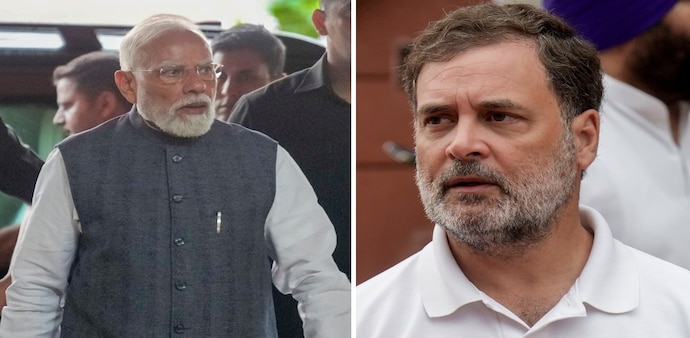
Narendra Modi's average engagement jumped from 1.19 million to 4.63 million per post—a 289.9% rise, nearly 3.9 times the pre-protest level. Rahul Gandhi's average engagement, on the other hand, rose from 152,000 to 426,000 per post, up 180.7%, or about 2.8 times earlier levels.
ALSO READ: 'Economic storm raging, PM busy handing out candies': Rahul Gandhi attacks Modi over 'Melody' video
Growth was modest for political parties' accounts. The grand old Congress party's followers grew by 43.4% from 50,000 to 72,000. The BJP saw a rise of 37.1% from 25,000 to 34,000 followers.
What do the numbers mean?
The growth is stronger for political personalities than for party brands. The contrast is striking: Modi and Rahul together show increases of 180–290%, while the two party accounts rise by only 37–43%. This suggests that personality-driven political communication is generating considerably more Instagram engagement than institutional party communication.
WATCH THIS: BJP’s Gen Z Reset: Why Modi & Ministers Are Going All-In On Instagram
Modi dominates the Instagram engagement landscape in absolute terms. Even before the increase, his average engagement was substantially ahead of everyone else. After 20 July, that gap widened dramatically.
Why Instagram now?
Modi has been posting Reels even around midnight, while Rahul Gandhi has leaned into Ask Me Anything (AMA) sessions and student interactions on the platform. These formats align with how Gen-Z consumes content—short, visual, and interactive—making political communication feel less like a broadcast and more like a conversation.
What triggered the shift?
The flashpoint was July 20, when CJP led a “Sansad Chalo” march demanding accountability over national exam paper leaks and the resignation of Education Minister Dharmendra Pradhan. The protest, marked by police crackdowns and clashes, quickly became a rallying point for young Indians, many of whom organize and consume news on social platforms. In its aftermath, leaders and parties began speaking directly to youth on their turf: Instagram Reels, Stories, and live interactions.
For Unparalleled coverage of India's Businesses and Economy – Subscribe to Business Today Magazine
After the Cockroach Janata Party (CJP) protest that drew thousands of Gen-Z demonstrators to Delhi's Jantar Mantar and Parliament, India's top political figures have pivoted hard to Instagram—and the numbers show it's working. From Modi's midnight reels to Rahul Gandhi's student ask me anything sessions (AMAs), leader-first content is now driving a dramatic surge in engagement, far outpacing party handles.
Data Beings findings: personalities outpace parties
Data Beings, a social listening and analytics firm for digital publishers and B2C brands, tracked average engagement per post before and after July 20 across four key accounts: Prime Minister Narendra Modi, Opposition leader Rahul Gandhi, and the BJP and Congress party handles.
Narendra Modi's average engagement jumped from 1.19 million to 4.63 million per post—a 289.9% rise, nearly 3.9 times the pre-protest level. Rahul Gandhi's average engagement, on the other hand, rose from 152,000 to 426,000 per post, up 180.7%, or about 2.8 times earlier levels.
ALSO READ: 'Economic storm raging, PM busy handing out candies': Rahul Gandhi attacks Modi over 'Melody' video
Growth was modest for political parties' accounts. The grand old Congress party's followers grew by 43.4% from 50,000 to 72,000. The BJP saw a rise of 37.1% from 25,000 to 34,000 followers.
What do the numbers mean?
The growth is stronger for political personalities than for party brands. The contrast is striking: Modi and Rahul together show increases of 180–290%, while the two party accounts rise by only 37–43%. This suggests that personality-driven political communication is generating considerably more Instagram engagement than institutional party communication.
WATCH THIS: BJP’s Gen Z Reset: Why Modi & Ministers Are Going All-In On Instagram
Modi dominates the Instagram engagement landscape in absolute terms. Even before the increase, his average engagement was substantially ahead of everyone else. After 20 July, that gap widened dramatically.
Why Instagram now?
Modi has been posting Reels even around midnight, while Rahul Gandhi has leaned into Ask Me Anything (AMA) sessions and student interactions on the platform. These formats align with how Gen-Z consumes content—short, visual, and interactive—making political communication feel less like a broadcast and more like a conversation.
What triggered the shift?
The flashpoint was July 20, when CJP led a “Sansad Chalo” march demanding accountability over national exam paper leaks and the resignation of Education Minister Dharmendra Pradhan. The protest, marked by police crackdowns and clashes, quickly became a rallying point for young Indians, many of whom organize and consume news on social platforms. In its aftermath, leaders and parties began speaking directly to youth on their turf: Instagram Reels, Stories, and live interactions.
For Unparalleled coverage of India's Businesses and Economy – Subscribe to Business Today Magazine