
Govt proposes Google and OpenAI pay royalties to creators for AI training: Big Tech reacts
A government of India panel has proposed requiring AI companies like Google and OpenAI to pay content creators a share of revenue if their content and work is used to train AI models.
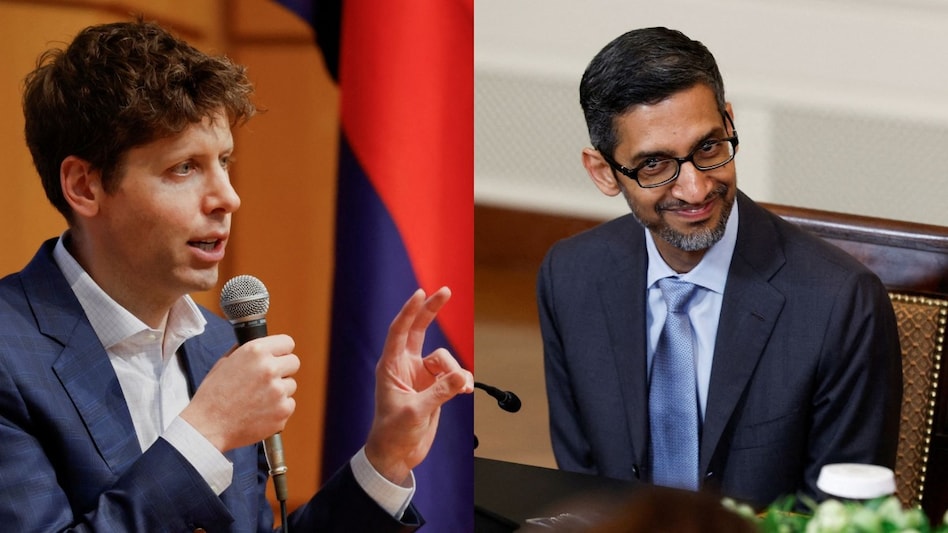
- Dec 10, 2025,
- Updated Dec 10, 2025 9:13 PM IST
A government panel in India has proposed a mandatory system requiring major Artificial Intelligence (AI) firms, including global players like OpenAI and Google, to pay content creators a share of revenue for training their AI models. The proposal marks a significant challenge to the current data practices of Big Tech.
The panel, established in April, released a report suggesting that AI companies should be allowed to access Indian content for training purposes, but they must pay royalties into a centralised pool. This body would represent copyright holders, ensuring creators are compensated without the burden of having to track down every instance of their work within massive AI datasets.
This model is a sharp departure from the stance in the United States, where AI firms argue that using publicly available content to train their models falls under "fair use" and should not incur charges. The Indian panel specifically rejected the "opt-out" models seen in jurisdictions like the European Union, arguing that placing the tracking responsibility on individual creators is unfair and inefficient.
The proposal has drawn quick opposition from major technology groups. Nasscom, an influential tech industry body that counts Google and Microsoft among its members, has formally opposed the plan, calling the mandatory fee a "tax or levy on innovation". Meanwhile, content groups like the Motion Picture Association have expressed a preference for licensing arrangements rather than the introduction of new fees.
The Indian government has given industry and the public a 30-day period to submit feedback and challenges before the plan is reviewed by officials. If approved, the system could set a new global standard for AI regulation and reshape how large language models source their data in one of the world's largest consumer markets.
For Unparalleled coverage of India's Businesses and Economy – Subscribe to Business Today Magazine
A government panel in India has proposed a mandatory system requiring major Artificial Intelligence (AI) firms, including global players like OpenAI and Google, to pay content creators a share of revenue for training their AI models. The proposal marks a significant challenge to the current data practices of Big Tech.
The panel, established in April, released a report suggesting that AI companies should be allowed to access Indian content for training purposes, but they must pay royalties into a centralised pool. This body would represent copyright holders, ensuring creators are compensated without the burden of having to track down every instance of their work within massive AI datasets.
This model is a sharp departure from the stance in the United States, where AI firms argue that using publicly available content to train their models falls under "fair use" and should not incur charges. The Indian panel specifically rejected the "opt-out" models seen in jurisdictions like the European Union, arguing that placing the tracking responsibility on individual creators is unfair and inefficient.
The proposal has drawn quick opposition from major technology groups. Nasscom, an influential tech industry body that counts Google and Microsoft among its members, has formally opposed the plan, calling the mandatory fee a "tax or levy on innovation". Meanwhile, content groups like the Motion Picture Association have expressed a preference for licensing arrangements rather than the introduction of new fees.
The Indian government has given industry and the public a 30-day period to submit feedback and challenges before the plan is reviewed by officials. If approved, the system could set a new global standard for AI regulation and reshape how large language models source their data in one of the world's largest consumer markets.
For Unparalleled coverage of India's Businesses and Economy – Subscribe to Business Today Magazine