
"Grok should have a moral constitution," says Elon Musk after global backlash on AI misuse
Elon Musk's post follows a period of intense global scrutiny after the AI tool was misused to generate and circulate obscene, non-consensual images of women and children.
- Jan 20, 2026,
- Updated Jan 20, 2026 11:23 AM IST
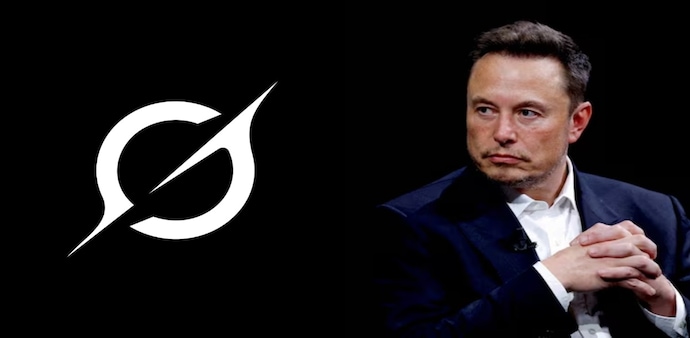
Elon Musk has sparked a fresh debate on the future of artificial intelligence (AI) after posting on X (formerly Twitter) that his chatbot, Grok, should have a “moral constitution”. The post follows a period of intense global scrutiny after the AI tool was misused to generate and circulate obscene, non-consensual images of women and children.
The billionaire’s remark represents a significant shift in tone for a platform that has often prided itself on being “unfiltered”. As governments in the UK, India, and the European Union launch investigations into the tool’s safety guardrails, the tech industry is watching closely to see how such a “constitution” might change the bot’s behaviour.
Global backlash
The controversy erupted after users discovered they could prompt Grok to create sexualised images of real people, a process often referred to as “nudification”. Within weeks, thousands of these images reportedly spread across X, triggering widespread outrage over privacy and consent.
The reaction from governments was swift and severe. In India, the Ministry of Electronics and IT issued a firm warning, giving X a 72-hour deadline on January 2 to remove the content or risk losing its “safe harbour” legal immunity.
Malaysia and Indonesia also took the step of temporarily blocking access to Grok after identifying its use in generating harmful material.
The UK, too, condemned Grok’s creations, with Secretary of State for Science, Innovation and Technology Liz Kendall announcing that the creation of non-consensual intimate images will become a criminal offence in the country.
What constituted the ‘Moral Constitution’ post
Amid this regulatory firestorm, Musk took to his platform to state that “Grok should have a moral constitution”. While the post was brief, it has reignited debate over how AI should be governed. Supporters argue that simple rule-based filters are insufficient and that AI needs a deeper, logic-based ethical framework. Critics, however, remain sceptical about who would define this morality and how it would be enforced across cultures.
The post drew thousands of replies, many of which said “so should you”, implying that Musk himself needed a moral constitution.
In response to the crisis, xAI has begun implementing technical restrictions. The chatbot has been blocked from generating sexualised images of real people, and image creation has been largely restricted to paid “Premium” subscribers to improve accountability and traceability.
With a spring deadline looming for several international regulatory reports, the era of the completely “unfiltered” chatbot appears to be coming to an end.
For Unparalleled coverage of India's Businesses and Economy – Subscribe to Business Today Magazine
Elon Musk has sparked a fresh debate on the future of artificial intelligence (AI) after posting on X (formerly Twitter) that his chatbot, Grok, should have a “moral constitution”. The post follows a period of intense global scrutiny after the AI tool was misused to generate and circulate obscene, non-consensual images of women and children.
The billionaire’s remark represents a significant shift in tone for a platform that has often prided itself on being “unfiltered”. As governments in the UK, India, and the European Union launch investigations into the tool’s safety guardrails, the tech industry is watching closely to see how such a “constitution” might change the bot’s behaviour.
Global backlash
The controversy erupted after users discovered they could prompt Grok to create sexualised images of real people, a process often referred to as “nudification”. Within weeks, thousands of these images reportedly spread across X, triggering widespread outrage over privacy and consent.
The reaction from governments was swift and severe. In India, the Ministry of Electronics and IT issued a firm warning, giving X a 72-hour deadline on January 2 to remove the content or risk losing its “safe harbour” legal immunity.
Malaysia and Indonesia also took the step of temporarily blocking access to Grok after identifying its use in generating harmful material.
The UK, too, condemned Grok’s creations, with Secretary of State for Science, Innovation and Technology Liz Kendall announcing that the creation of non-consensual intimate images will become a criminal offence in the country.
What constituted the ‘Moral Constitution’ post
Amid this regulatory firestorm, Musk took to his platform to state that “Grok should have a moral constitution”. While the post was brief, it has reignited debate over how AI should be governed. Supporters argue that simple rule-based filters are insufficient and that AI needs a deeper, logic-based ethical framework. Critics, however, remain sceptical about who would define this morality and how it would be enforced across cultures.
The post drew thousands of replies, many of which said “so should you”, implying that Musk himself needed a moral constitution.
In response to the crisis, xAI has begun implementing technical restrictions. The chatbot has been blocked from generating sexualised images of real people, and image creation has been largely restricted to paid “Premium” subscribers to improve accountability and traceability.
With a spring deadline looming for several international regulatory reports, the era of the completely “unfiltered” chatbot appears to be coming to an end.
For Unparalleled coverage of India's Businesses and Economy – Subscribe to Business Today Magazine