
ISRO LVM3-M6 launch explained: All you need to know about BlueBird Block-2 satellite
Here’s everything you need to know about ISRO’s LVM3-M6 / BlueBird Block-2 Mission.
- Dec 24, 2025,
- Updated Dec 24, 2025 5:55 PM IST
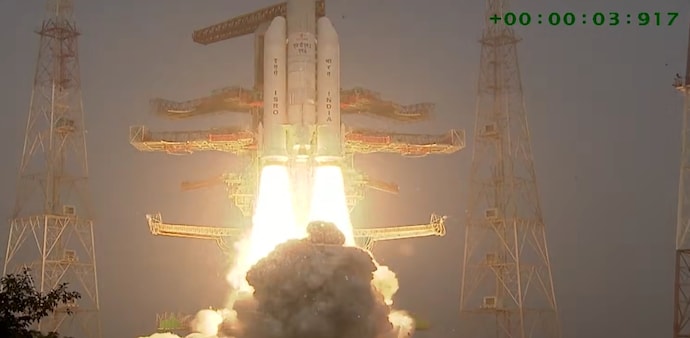
The Indian Space Research Organisation (ISRO) has successfully launched the LVM3-M6 rocket from Satish Dhawan Space Centre in Sriharikota. The rocket carries the US communication satellite, BlueBird Block-2, marking a major milestone for India’s commercial spaceflight programme. Here’s everything you need to know about the LVM3-M6 / BlueBird Block-2 mission, and why it is a big deal.
LVM3-M6 / BlueBird Block-2 Mission: What’s it about?
LVM3-M6 / BlueBird Block-2 is a commercial mission that was dedicated to carrying the BlueBird Block-2 communications satellite that belongs to a U.S.-based company, AST SpaceMobile. What makes it crucial for India is that the satellite was carried by ISRO’s LVM3 launch vehicle. Now the rocket has officially reached Low Earth Orbit (LEO), marking the successful deployment of the largest-ever commercial satellites launched by India to date.
BlueBird Block-2 satellite by AST SpaceMobile is said to provide cellular internet directly from space. It can deliver mobile internet signals to regular mobile phones directly from space. What makes it special is that it does not require any special antennas or terminals, as it works with existing mobile networks and devices.
Why was the mission crucial for ISRO?
This is LVM3’s sixth operational flight, and it carried the heaviest commercial payload from India. According to ISRO, the rocket is a three-stage launch vehicle, consisting of two solid strap-on motors (S200), a liquid core stage (L110), and a cryogenic upper stage (C25).
The total weight of the rocket at launch, including fuel, structure, and payload, is 640 tonnes, and it is 43.5 meters tall. It can carry satellites weighing up to 4,200 kilograms to the Geosynchronous Transfer Orbit (GTO). In comparison, the communications satellite weighs about 6.5 tonnes.
This mission will be a testament to ISRO’s commercial rocket performance, and that it is reliable and capable for major satellite missions. As ISRO conducts such a major mission from India, it could gain the country recognition among foreign satellite operators and space companies, and their trust in choosing ISRO to launch their satellites. Now, ISRO plans to make commercial satellite launches a major part of the future, apart from the government-based space missions.
For Unparalleled coverage of India's Businesses and Economy – Subscribe to Business Today Magazine
The Indian Space Research Organisation (ISRO) has successfully launched the LVM3-M6 rocket from Satish Dhawan Space Centre in Sriharikota. The rocket carries the US communication satellite, BlueBird Block-2, marking a major milestone for India’s commercial spaceflight programme. Here’s everything you need to know about the LVM3-M6 / BlueBird Block-2 mission, and why it is a big deal.
LVM3-M6 / BlueBird Block-2 Mission: What’s it about?
LVM3-M6 / BlueBird Block-2 is a commercial mission that was dedicated to carrying the BlueBird Block-2 communications satellite that belongs to a U.S.-based company, AST SpaceMobile. What makes it crucial for India is that the satellite was carried by ISRO’s LVM3 launch vehicle. Now the rocket has officially reached Low Earth Orbit (LEO), marking the successful deployment of the largest-ever commercial satellites launched by India to date.
BlueBird Block-2 satellite by AST SpaceMobile is said to provide cellular internet directly from space. It can deliver mobile internet signals to regular mobile phones directly from space. What makes it special is that it does not require any special antennas or terminals, as it works with existing mobile networks and devices.
Why was the mission crucial for ISRO?
This is LVM3’s sixth operational flight, and it carried the heaviest commercial payload from India. According to ISRO, the rocket is a three-stage launch vehicle, consisting of two solid strap-on motors (S200), a liquid core stage (L110), and a cryogenic upper stage (C25).
The total weight of the rocket at launch, including fuel, structure, and payload, is 640 tonnes, and it is 43.5 meters tall. It can carry satellites weighing up to 4,200 kilograms to the Geosynchronous Transfer Orbit (GTO). In comparison, the communications satellite weighs about 6.5 tonnes.
This mission will be a testament to ISRO’s commercial rocket performance, and that it is reliable and capable for major satellite missions. As ISRO conducts such a major mission from India, it could gain the country recognition among foreign satellite operators and space companies, and their trust in choosing ISRO to launch their satellites. Now, ISRO plans to make commercial satellite launches a major part of the future, apart from the government-based space missions.
For Unparalleled coverage of India's Businesses and Economy – Subscribe to Business Today Magazine