
Memory prices are up 500% in 12 months; Zoho’s Sridhar Vembu says the ‘free memory’ era is over
Rising memory costs are putting pressure on technology businesses, prompting Zoho CEO Sridhar Vembu to warn that software developers may need to rethink how efficiently they use memory.
- Aug 18, 2026,
- Updated Aug 18, 2026 1:55 PM IST
The rapid expansion of artificial intelligence is changing the economics of computing. As companies spend more on AI infrastructure and services, rising costs are beginning to affect another crucial part of the technology ecosystem: memory.
For businesses building software and AI products, the change could have wider consequences. Higher RAM costs can increase infrastructure expenses and may eventually influence how developers build and optimise software.
Must Read: Skyroot's Vikram-1 milestone: How TakeMe2Space's battery cleared space's toughest test
Sridhar Vembu flags sharp rise in memory prices
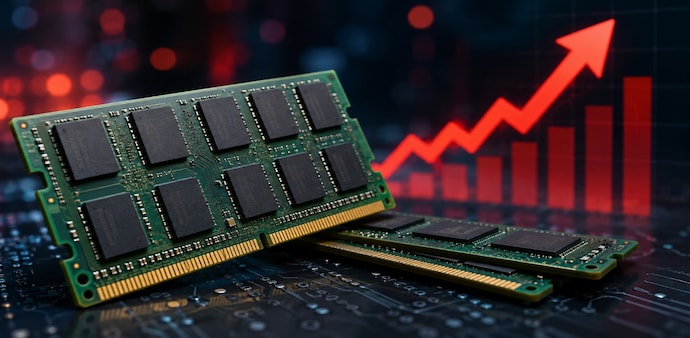
Zoho founder and CEO Sridhar Vembu has highlighted the pressure in a post on X, saying memory prices have risen 500 per cent in the past 12 months and are now around 10 times their lowest level.
Vembu said memory prices, along with AI token prices, have made running businesses increasingly difficult. He added that Zoho has held back from raising its prices, but absorbing the higher costs is becoming increasingly difficult.
RAM prices show the scale of the increase
Data cited by Tom's Hardware shows how sharply memory prices have changed between August 2025 and August 2026. For DDR5, the average price of a 2x16GB 4800 MT/s kit rose from $90 to $425, a 372% increase. A 2x32GB 5600 MT/s kit jumped from $191 to $1,118, up 485%. The 6000 MT/s 2x32GB kit increased from $222 to $1,272, a 473% rise.
Must Read: Cursor launches affordable India-only AI plan; Price starts at…
DDR4 has also become considerably more expensive. A 2x8GB 3200 MT/s kit went from $63 to $163, while a 2x16GB 3200 MT/s kit increased from $105 to $281. The larger 2x32GB 3600 MT/s kit rose from $300 to $789, showing increases of roughly 120% to nearly 180% across the tracked DDR4 kits.
Why memory costs matter for AI and software
Vembu said programming languages were designed for a time when memory was effectively treated as “free”. That assumption is becoming harder to maintain as memory costs rise.
For you as a technology user, higher infrastructure costs could eventually affect the price of software and online services if companies pass some of the additional expense to customers.
Vembu calls for memory-efficient software
Vembu believes the industry now needs highly memory-efficient programming languages and smarter compilers, including for AI. He argues that code safety and developer productivity should not come at the expense of memory bloat.
His comments point to a broader challenge for the technology industry: as AI increases demand for computing resources, developers may need to make software more efficient rather than simply relying on increasingly expensive memory.
For Unparalleled coverage of India's Businesses and Economy – Subscribe to Business Today Magazine
The rapid expansion of artificial intelligence is changing the economics of computing. As companies spend more on AI infrastructure and services, rising costs are beginning to affect another crucial part of the technology ecosystem: memory.
For businesses building software and AI products, the change could have wider consequences. Higher RAM costs can increase infrastructure expenses and may eventually influence how developers build and optimise software.
Must Read: Skyroot's Vikram-1 milestone: How TakeMe2Space's battery cleared space's toughest test
Sridhar Vembu flags sharp rise in memory prices
Zoho founder and CEO Sridhar Vembu has highlighted the pressure in a post on X, saying memory prices have risen 500 per cent in the past 12 months and are now around 10 times their lowest level.
Vembu said memory prices, along with AI token prices, have made running businesses increasingly difficult. He added that Zoho has held back from raising its prices, but absorbing the higher costs is becoming increasingly difficult.
RAM prices show the scale of the increase
Data cited by Tom's Hardware shows how sharply memory prices have changed between August 2025 and August 2026. For DDR5, the average price of a 2x16GB 4800 MT/s kit rose from $90 to $425, a 372% increase. A 2x32GB 5600 MT/s kit jumped from $191 to $1,118, up 485%. The 6000 MT/s 2x32GB kit increased from $222 to $1,272, a 473% rise.
Must Read: Cursor launches affordable India-only AI plan; Price starts at…
DDR4 has also become considerably more expensive. A 2x8GB 3200 MT/s kit went from $63 to $163, while a 2x16GB 3200 MT/s kit increased from $105 to $281. The larger 2x32GB 3600 MT/s kit rose from $300 to $789, showing increases of roughly 120% to nearly 180% across the tracked DDR4 kits.
Why memory costs matter for AI and software
Vembu said programming languages were designed for a time when memory was effectively treated as “free”. That assumption is becoming harder to maintain as memory costs rise.
For you as a technology user, higher infrastructure costs could eventually affect the price of software and online services if companies pass some of the additional expense to customers.
Vembu calls for memory-efficient software
Vembu believes the industry now needs highly memory-efficient programming languages and smarter compilers, including for AI. He argues that code safety and developer productivity should not come at the expense of memory bloat.
His comments point to a broader challenge for the technology industry: as AI increases demand for computing resources, developers may need to make software more efficient rather than simply relying on increasingly expensive memory.
For Unparalleled coverage of India's Businesses and Economy – Subscribe to Business Today Magazine