
Meta faces $8 billion trial as investors accuse Zuckerberg and executives of privacy failures
Zuckerberg heads to court this week as Meta faces a high-stakes trial over investor backlash tied to the infamous Cambridge Analytica data breach.
- Jul 17, 2025,
- Updated Jul 17, 2025 1:10 PM IST
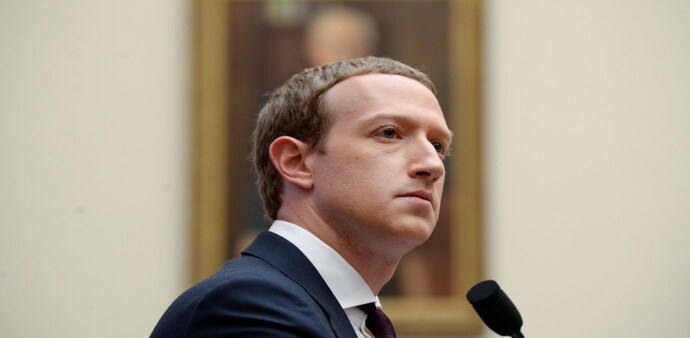
Meta CEO Mark Zuckerberg and a group of current and former company executives are standing trial this week in Delaware Chancery Court, facing a class action lawsuit from shareholders seeking more than $8 billion in damages. The case centres on the fallout from the 2018 Cambridge Analytica scandal, which exposed how Facebook user data was harvested and exploited for political campaigning without proper consent.
The investors behind the lawsuit argue that Meta failed to adequately warn them about the risks tied to data misuse and allege repeated violations of a 2012 consent order with the US Federal Trade Commission. Under that order, Facebook had pledged to stop collecting and sharing user data without explicit permission. Instead, the plaintiffs claim, the company continued those practices while removing necessary privacy disclosures, resulting in regulatory blowback and massive fines.
“Facebook’s privacy disclosures were misleading,” said Neil Richards, the trial’s first witness and a professor at Washington University Law School. During cross-examination, Richards noted he could not confirm whether the company had formally breached the 2012 order, but criticised a 2015 PricewaterhouseCoopers audit that found Facebook’s privacy systems sufficient, saying such internal assessments are “of limited value.”
Meta previously paid a record $5.1 billion to settle with the FTC and agreed to a $725 million payout to users in a separate privacy settlement. Shareholders now want Meta’s leadership, including Zuckerberg and former COO Sheryl Sandberg, to cover these costs personally. Board members Marc Andreessen and Peter Thiel are also expected to testify in the eight-day trial.
The legal battle has already climbed to the US Supreme Court. Meta tried to block the proceedings, but justices rejected the appeal in November, allowing the lower court ruling to stand and the case to proceed.
A final decision from the judge is expected in the months following the conclusion of the trial.
For Unparalleled coverage of India's Businesses and Economy – Subscribe to Business Today Magazine
Meta CEO Mark Zuckerberg and a group of current and former company executives are standing trial this week in Delaware Chancery Court, facing a class action lawsuit from shareholders seeking more than $8 billion in damages. The case centres on the fallout from the 2018 Cambridge Analytica scandal, which exposed how Facebook user data was harvested and exploited for political campaigning without proper consent.
The investors behind the lawsuit argue that Meta failed to adequately warn them about the risks tied to data misuse and allege repeated violations of a 2012 consent order with the US Federal Trade Commission. Under that order, Facebook had pledged to stop collecting and sharing user data without explicit permission. Instead, the plaintiffs claim, the company continued those practices while removing necessary privacy disclosures, resulting in regulatory blowback and massive fines.
“Facebook’s privacy disclosures were misleading,” said Neil Richards, the trial’s first witness and a professor at Washington University Law School. During cross-examination, Richards noted he could not confirm whether the company had formally breached the 2012 order, but criticised a 2015 PricewaterhouseCoopers audit that found Facebook’s privacy systems sufficient, saying such internal assessments are “of limited value.”
Meta previously paid a record $5.1 billion to settle with the FTC and agreed to a $725 million payout to users in a separate privacy settlement. Shareholders now want Meta’s leadership, including Zuckerberg and former COO Sheryl Sandberg, to cover these costs personally. Board members Marc Andreessen and Peter Thiel are also expected to testify in the eight-day trial.
The legal battle has already climbed to the US Supreme Court. Meta tried to block the proceedings, but justices rejected the appeal in November, allowing the lower court ruling to stand and the case to proceed.
A final decision from the judge is expected in the months following the conclusion of the trial.
For Unparalleled coverage of India's Businesses and Economy – Subscribe to Business Today Magazine