
One WhatsApp ‘NO’ could cost you your savings: Hyderabad Police warn of new cyber scam
Cybercriminals are allegedly using fake transaction alerts to create panic and trick people into responding to messages, raising fresh concerns about WhatsApp-based financial fraud.
- Oct 14, 2026,
- Updated Oct 14, 2026 6:10 AM IST
Hyderabad City Police Commissioner VC Sajjanar warned people about a WhatsApp scam in which the victims could lose money after replying ‘NO’ to a message claiming that a bank transaction has taken place. In a video shared on X, the Commissioner has described the alleged method as an “auto-execution file attack” and cited a case involving a chartered accountant. The warning stands out because the message reportedly does not ask victims to share an OTP or click on a suspicious link. Instead, it uses the fear of losing money to push recipients into responding quickly.
MUST READ | WhatsApp hacked? Here’s how to recover your account and log out the attacker
How the WhatsApp ‘NO’ scam allegedly works
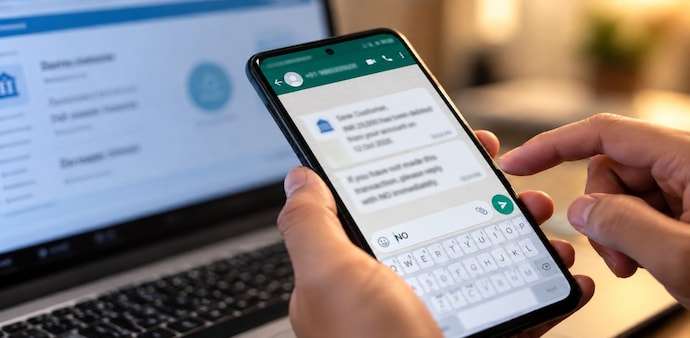
According to Sajjanar, scammers first send a WhatsApp message from an unknown number claiming that money has been debited from the recipient’s bank account. A second message then asks the person to reply ‘NO’ if they did not authorise the transaction.
The commissioner warned that responding could expose you to malware, potentially allowing criminals to gain access to your devices and financial information. He advised people not to reply ‘YES’ or ‘NO’ to unfamiliar messages about banking transactions.
DON'T MISS | ₹11.42 crore lost in ‘digital arrest’: CBI arrests 2 more in Gujarat scam, here's how the scam trapped the victim
Instead, you should open your bank’s official app or net-banking website to check whether a debit has actually occurred. Avoid opening unexpected attachments or downloading files from unknown senders, and contact the bank through its verified customer-care number if anything appears suspicious.
What should you do if you receive such a message?
Do not panic or respond to the sender. Block the number, preserve relevant evidence if needed, and verify the transaction directly with your bank. A WhatsApp message alone is not proof that money has been deducted.
If you suspect that you have lost money to cyber fraud, call India’s cybercrime helpline at 1930 immediately and report the incident at cybercrime.gov.in. Quick reporting may help authorities and banks act on fraudulent transactions at earliest.
Stay cautious: never let an unexpected message rush you into making a financial decision.
For Unparalleled coverage of India's Businesses and Economy – Subscribe to Business Today Magazine
Hyderabad City Police Commissioner VC Sajjanar warned people about a WhatsApp scam in which the victims could lose money after replying ‘NO’ to a message claiming that a bank transaction has taken place. In a video shared on X, the Commissioner has described the alleged method as an “auto-execution file attack” and cited a case involving a chartered accountant. The warning stands out because the message reportedly does not ask victims to share an OTP or click on a suspicious link. Instead, it uses the fear of losing money to push recipients into responding quickly.
MUST READ | WhatsApp hacked? Here’s how to recover your account and log out the attacker
How the WhatsApp ‘NO’ scam allegedly works
According to Sajjanar, scammers first send a WhatsApp message from an unknown number claiming that money has been debited from the recipient’s bank account. A second message then asks the person to reply ‘NO’ if they did not authorise the transaction.
The commissioner warned that responding could expose you to malware, potentially allowing criminals to gain access to your devices and financial information. He advised people not to reply ‘YES’ or ‘NO’ to unfamiliar messages about banking transactions.
DON'T MISS | ₹11.42 crore lost in ‘digital arrest’: CBI arrests 2 more in Gujarat scam, here's how the scam trapped the victim
Instead, you should open your bank’s official app or net-banking website to check whether a debit has actually occurred. Avoid opening unexpected attachments or downloading files from unknown senders, and contact the bank through its verified customer-care number if anything appears suspicious.
What should you do if you receive such a message?
Do not panic or respond to the sender. Block the number, preserve relevant evidence if needed, and verify the transaction directly with your bank. A WhatsApp message alone is not proof that money has been deducted.
If you suspect that you have lost money to cyber fraud, call India’s cybercrime helpline at 1930 immediately and report the incident at cybercrime.gov.in. Quick reporting may help authorities and banks act on fraudulent transactions at earliest.
Stay cautious: never let an unexpected message rush you into making a financial decision.
For Unparalleled coverage of India's Businesses and Economy – Subscribe to Business Today Magazine