
OpenAI launches Pulse: AI-powered morning briefings inside ChatGPT
OpenAI has unveiled a new way to wake up with ChatGPT, giving Pro users personalised reports overnight with its new feature, Pulse.
- Sep 26, 2025,
- Updated Sep 26, 2025 9:43 AM IST
OpenAI has announced Pulse, a new feature inside ChatGPT that delivers personalised morning reports to users while they sleep. Pulse generates five to ten daily briefs designed to get users up to speed on news, personal agendas, or custom interests, making ChatGPT a morning habit alongside social media or news apps.
Unlike the traditional back-and-forth of chatbots, Pulse reflects OpenAI’s broader push toward asynchronous, assistant-style products. It joins features like ChatGPT Agent and Codex in making ChatGPT feel more like a proactive personal aide.
Fidji Simo, OpenAI’s new CEO of Applications, explained: “We’re building AI that lets us take the level of support that only the wealthiest have been able to afford and make it available to everyone over time. And ChatGPT Pulse is the first step in that direction, starting with Pro users today, but with the goal of rolling out this intelligence to all.”
Starting Thursday, Pulse is rolling out to Pro plan subscribers, who pay $200 per month. It appears as a new tab within the ChatGPT app. OpenAI says Plus users will gain access later, once efficiency improves.
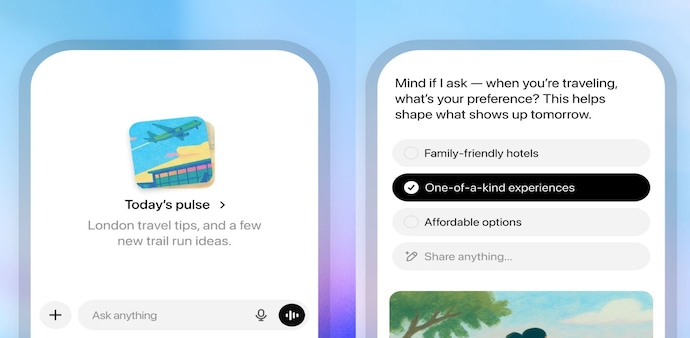
Each Pulse report appears as a card with AI-generated images and text, covering anything from sports updates to travel itineraries. Users can click into the full report, query ChatGPT for details, or ask for new automated reports. Crucially, Pulse is designed to stop after a few briefs, showing a message that reads: “Great, that’s it for today”, distinguishing it from endless social media feeds.
Pulse works with ChatGPT Connectors, meaning users can link apps like Google Calendar and Gmail. Overnight, Pulse can scan inboxes to highlight priority emails or generate a morning agenda from calendar events. If ChatGPT’s memory is enabled, Pulse also learns from past chats to tailor recommendations.
Christina Wadsworth Kaplan, OpenAI’s personalisation lead, highlighted its versatility: “As a pescatarian, Pulse takes dinner reservations on my calendar and finds menu items that work with my diet.”
In a demo, Pulse produced a news roundup for Arsenal FC, Halloween costume ideas, and a family travel plan, showing its ability to combine context with creativity.
By offering curated, context-aware reports, Pulse could compete with services like Apple News, newsletters, and traditional outlets. However, OpenAI emphasises that it cites its sources, similar to ChatGPT Search.
Product lead Adam Fry said computing demands vary widely depending on the task, but the goal is efficiency. Looking ahead, OpenAI envisions Pulse evolving into a more agentic service capable of booking restaurants or drafting emails, though such features remain experimental.
For Unparalleled coverage of India's Businesses and Economy – Subscribe to Business Today Magazine
OpenAI has announced Pulse, a new feature inside ChatGPT that delivers personalised morning reports to users while they sleep. Pulse generates five to ten daily briefs designed to get users up to speed on news, personal agendas, or custom interests, making ChatGPT a morning habit alongside social media or news apps.
Unlike the traditional back-and-forth of chatbots, Pulse reflects OpenAI’s broader push toward asynchronous, assistant-style products. It joins features like ChatGPT Agent and Codex in making ChatGPT feel more like a proactive personal aide.
Fidji Simo, OpenAI’s new CEO of Applications, explained: “We’re building AI that lets us take the level of support that only the wealthiest have been able to afford and make it available to everyone over time. And ChatGPT Pulse is the first step in that direction, starting with Pro users today, but with the goal of rolling out this intelligence to all.”
Starting Thursday, Pulse is rolling out to Pro plan subscribers, who pay $200 per month. It appears as a new tab within the ChatGPT app. OpenAI says Plus users will gain access later, once efficiency improves.
Each Pulse report appears as a card with AI-generated images and text, covering anything from sports updates to travel itineraries. Users can click into the full report, query ChatGPT for details, or ask for new automated reports. Crucially, Pulse is designed to stop after a few briefs, showing a message that reads: “Great, that’s it for today”, distinguishing it from endless social media feeds.
Pulse works with ChatGPT Connectors, meaning users can link apps like Google Calendar and Gmail. Overnight, Pulse can scan inboxes to highlight priority emails or generate a morning agenda from calendar events. If ChatGPT’s memory is enabled, Pulse also learns from past chats to tailor recommendations.
Christina Wadsworth Kaplan, OpenAI’s personalisation lead, highlighted its versatility: “As a pescatarian, Pulse takes dinner reservations on my calendar and finds menu items that work with my diet.”
In a demo, Pulse produced a news roundup for Arsenal FC, Halloween costume ideas, and a family travel plan, showing its ability to combine context with creativity.
By offering curated, context-aware reports, Pulse could compete with services like Apple News, newsletters, and traditional outlets. However, OpenAI emphasises that it cites its sources, similar to ChatGPT Search.
Product lead Adam Fry said computing demands vary widely depending on the task, but the goal is efficiency. Looking ahead, OpenAI envisions Pulse evolving into a more agentic service capable of booking restaurants or drafting emails, though such features remain experimental.
For Unparalleled coverage of India's Businesses and Economy – Subscribe to Business Today Magazine