
Parag Agrawal’s Parallel raises $100 million from Kleiner Perkins and Index Ventures: Here's why it's significant
Parag Agrawal’s next big bet aims to reshape how AI understands and navigates the internet.
- Nov 14, 2025,
- Updated Nov 14, 2025 3:28 PM IST
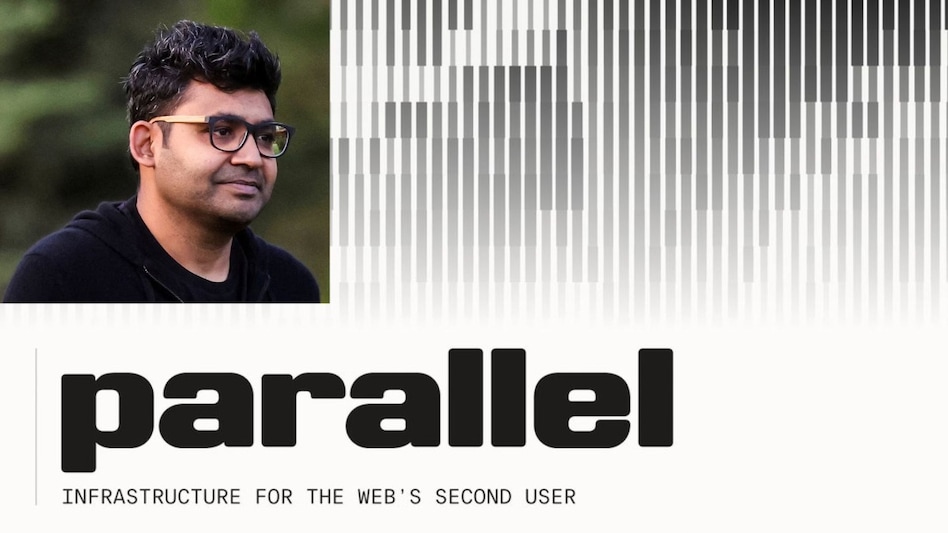
Former Twitter CEO Parag Agrawal has secured a major boost for his new venture, Parallel Web Systems, which has raised 100 million dollars in Series A funding at a valuation of 740 million dollars. The round was co-led by Kleiner Perkins and Index Ventures, with Khosla Ventures also increasing its backing, reflecting a strong belief in Parallel’s plan to rebuild the web for an AI-first world.
Kleiner Perkins and Index Ventures are significant for a few key reasons, especially in the context of an early-stage AI infrastructure startup like Parallel Web Systems.
Kleiner Perkins is one of the oldest and most respected VC firms in the United States, known for backing transformative companies in their earliest stages. Index Ventures is one of Europe’s strongest global funds with a long record of backing category-defining tech startups. Having both on board signals high confidence from two regions that lead global tech investment. Kleiner Perkins has early investments in Google, Amazon, Netscape, Uber and OpenAI. Index Ventures has backed companies such as Dropbox, Discord, Notion, Scale AI and Figma. Investors with this kind of track record rarely place large bets unless they believe the company has the potential to define a new category. Both firms are known for funding startups that introduce new infrastructure layers. Given Parallel’s ambition to rebuild how AI accesses the live web, their interest suggests the company’s mission aligns with the next major shift in the tech stack.
Parallel is attempting to tackle a fundamental issue. Much of today’s internet infrastructure, from search to content formats, was created for human users. Agrawal argues that the future will see AI agents as the primary consumers of online information, performing tasks, reading content and completing workflows on behalf of people and organisations.
To support this shift, Parallel is creating APIs that allow AI systems to search and interpret the live web in real time. Instead of relying on outdated or static sources, the platform provides structured, current, reliable web data that AI agents can use to carry out complex jobs at scale. Agrawal describes this as giving AI “the tools to truly understand and utilise the web the way humans do, but faster and at far greater scale.”
Despite being early in its journey, Parallel has already attracted enterprise customers who are using its technology to run AI agents across high-value workloads. These include AI systems that write software with access to real-time documentation, sales teams analysing market signals alongside public data and insurance companies assessing risk using live online indicators. In each case, the agents depend on constantly refreshing information rather than closed internal sources.
Parallel’s timing aligns with the accelerating adoption of AI across global businesses. Agents once considered experimental are now entering production environments, but their capabilities are limited by access to high-quality, up-to-date data. The traditional search ecosystem was never built for this purpose, and content owners have struggled with licensing frameworks at scale. Parallel aims to address these gaps by building an AI-native search infrastructure and enabling content owners to be compensated.
The fresh funds will be used to grow the company’s product roadmap, expand its web data infrastructure and sign more licensing deals with content partners, a growing requirement in an AI-driven economy.
For Unparalleled coverage of India's Businesses and Economy – Subscribe to Business Today Magazine
Former Twitter CEO Parag Agrawal has secured a major boost for his new venture, Parallel Web Systems, which has raised 100 million dollars in Series A funding at a valuation of 740 million dollars. The round was co-led by Kleiner Perkins and Index Ventures, with Khosla Ventures also increasing its backing, reflecting a strong belief in Parallel’s plan to rebuild the web for an AI-first world.
Kleiner Perkins and Index Ventures are significant for a few key reasons, especially in the context of an early-stage AI infrastructure startup like Parallel Web Systems.
Kleiner Perkins is one of the oldest and most respected VC firms in the United States, known for backing transformative companies in their earliest stages. Index Ventures is one of Europe’s strongest global funds with a long record of backing category-defining tech startups. Having both on board signals high confidence from two regions that lead global tech investment. Kleiner Perkins has early investments in Google, Amazon, Netscape, Uber and OpenAI. Index Ventures has backed companies such as Dropbox, Discord, Notion, Scale AI and Figma. Investors with this kind of track record rarely place large bets unless they believe the company has the potential to define a new category. Both firms are known for funding startups that introduce new infrastructure layers. Given Parallel’s ambition to rebuild how AI accesses the live web, their interest suggests the company’s mission aligns with the next major shift in the tech stack.
Parallel is attempting to tackle a fundamental issue. Much of today’s internet infrastructure, from search to content formats, was created for human users. Agrawal argues that the future will see AI agents as the primary consumers of online information, performing tasks, reading content and completing workflows on behalf of people and organisations.
To support this shift, Parallel is creating APIs that allow AI systems to search and interpret the live web in real time. Instead of relying on outdated or static sources, the platform provides structured, current, reliable web data that AI agents can use to carry out complex jobs at scale. Agrawal describes this as giving AI “the tools to truly understand and utilise the web the way humans do, but faster and at far greater scale.”
Despite being early in its journey, Parallel has already attracted enterprise customers who are using its technology to run AI agents across high-value workloads. These include AI systems that write software with access to real-time documentation, sales teams analysing market signals alongside public data and insurance companies assessing risk using live online indicators. In each case, the agents depend on constantly refreshing information rather than closed internal sources.
Parallel’s timing aligns with the accelerating adoption of AI across global businesses. Agents once considered experimental are now entering production environments, but their capabilities are limited by access to high-quality, up-to-date data. The traditional search ecosystem was never built for this purpose, and content owners have struggled with licensing frameworks at scale. Parallel aims to address these gaps by building an AI-native search infrastructure and enabling content owners to be compensated.
The fresh funds will be used to grow the company’s product roadmap, expand its web data infrastructure and sign more licensing deals with content partners, a growing requirement in an AI-driven economy.
For Unparalleled coverage of India's Businesses and Economy – Subscribe to Business Today Magazine