
RAMageddon? AI demand triggers RAM squeeze, threatening 16GB phones and forcing tough choices for OEMs
A global RAM shortage, driven by massive AI demand, is forcing smartphone manufacturers to alter their strategies. Leaks suggest the return of 4GB RAM models while 16GB versions disappear in 2026.
- Dec 16, 2025,
- Updated Dec 16, 2025 11:36 AM IST
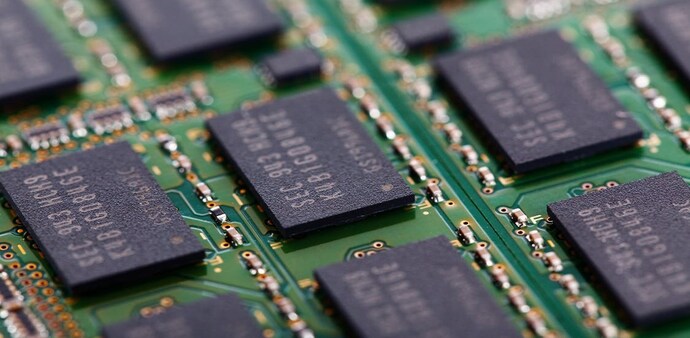
The global smartphone market is bracing for a significant shake-up, as an acute shortage of RAM, driven by the insatiable demand from the Artificial Intelligence (AI) sector, is set to drastically alter device specifications and pricing. Industry observers warn that the era of 16GB RAM mobiles may soon be over, with some manufacturers potentially reverting to 4GB configurations, even for their mid-range offerings.
Reports originating from South Korean tipster Lanzuk (yeux 1122) claim that by 2026, original equipment manufacturers (OEMs) will cease launching high-end devices featuring 16GB of RAM. The scarcity is a direct consequence of the AI boom, where major tech giants such as Google, Microsoft, and OpenAI are diverting vast quantities of memory components to build colossal data centres. These systems are a key prerequisite for scaling up their AI programmes. Crucially, these AI firms are willing to pay a premium for priority shipments, leaving the more price-sensitive consumer electronics segment deprived.
The financial pressure on smartphone makers is already mounting. iQOO India CEO, Nipun Marya, recently disclosed in an interview with Gadgets360 that memory component prices soared by 60% between September and November alone. Consequently, OEMs are being forced to adopt two main strategies: either substantially increase handset prices or reduce hardware specifications to maintain profit margins. Rumours are already swirling regarding imminent price hikes for popular models, including Samsung’s Galaxy A series and flagships like the Apple iPhone 17.
The leaks suggest the latter strategy will see a profound optimisation of product portfolios. The 12GB RAM variants are tipped for a reduction of over 40%, with brands shifting their focus to 6GB and 8GB models. More dramatically, the continued shortage could lead to something quite surprising and unheard of: reintroducing 4GB RAM outside of the basic entry-level segment as the supply chain strains further.
This scenario underscores a fundamental shift in the technology supply chain, where the requirements of generative AI are now directly dictating the hardware specifications and pricing of consumer gadgets. For consumers, this could translate directly into fewer high-specification choices and higher sticker prices come the next smartphone upgrade cycle, fundamentally changing the value proposition of new smartphone releases.
For Unparalleled coverage of India's Businesses and Economy – Subscribe to Business Today Magazine
The global smartphone market is bracing for a significant shake-up, as an acute shortage of RAM, driven by the insatiable demand from the Artificial Intelligence (AI) sector, is set to drastically alter device specifications and pricing. Industry observers warn that the era of 16GB RAM mobiles may soon be over, with some manufacturers potentially reverting to 4GB configurations, even for their mid-range offerings.
Reports originating from South Korean tipster Lanzuk (yeux 1122) claim that by 2026, original equipment manufacturers (OEMs) will cease launching high-end devices featuring 16GB of RAM. The scarcity is a direct consequence of the AI boom, where major tech giants such as Google, Microsoft, and OpenAI are diverting vast quantities of memory components to build colossal data centres. These systems are a key prerequisite for scaling up their AI programmes. Crucially, these AI firms are willing to pay a premium for priority shipments, leaving the more price-sensitive consumer electronics segment deprived.
The financial pressure on smartphone makers is already mounting. iQOO India CEO, Nipun Marya, recently disclosed in an interview with Gadgets360 that memory component prices soared by 60% between September and November alone. Consequently, OEMs are being forced to adopt two main strategies: either substantially increase handset prices or reduce hardware specifications to maintain profit margins. Rumours are already swirling regarding imminent price hikes for popular models, including Samsung’s Galaxy A series and flagships like the Apple iPhone 17.
The leaks suggest the latter strategy will see a profound optimisation of product portfolios. The 12GB RAM variants are tipped for a reduction of over 40%, with brands shifting their focus to 6GB and 8GB models. More dramatically, the continued shortage could lead to something quite surprising and unheard of: reintroducing 4GB RAM outside of the basic entry-level segment as the supply chain strains further.
This scenario underscores a fundamental shift in the technology supply chain, where the requirements of generative AI are now directly dictating the hardware specifications and pricing of consumer gadgets. For consumers, this could translate directly into fewer high-specification choices and higher sticker prices come the next smartphone upgrade cycle, fundamentally changing the value proposition of new smartphone releases.
For Unparalleled coverage of India's Businesses and Economy – Subscribe to Business Today Magazine