
Trump orders crackdown on Nvidia chip smuggling to China, with Musk’s input
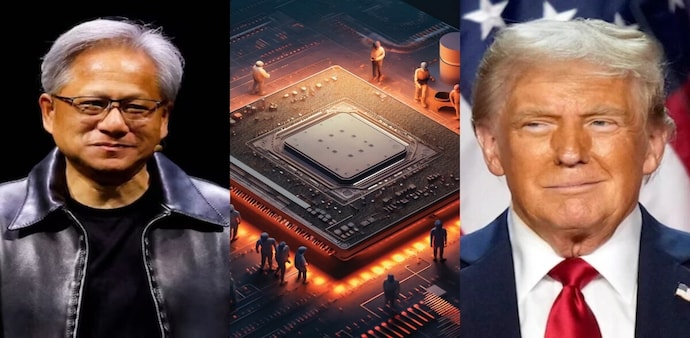
US President Donald Trump has authorised a third crackdown this year on firms suspected of illegally exporting Nvidia AI chips to China. Internal disputes and espionage allegations complicate enforcement efforts despite Musk’s support.
- Nov 12, 2026,
- Updated Nov 12, 2026 11:04 AM IST
US President Donald Trump has authorised a crackdown on companies suspected of illegally transferring Nvidia's advanced AI chips to China. This is the third time he has approved such action this year. However, there’s a disagreement within his own administration, as Commerce Secretary Howard Lutnick has repeatedly stood in the way of these efforts, according to an Axios report.
The report further revealed that the crackdown on suspected companies reportedly consulted Elon Musk before giving the go-ahead. Previously, the US has imposed restrictions on exports of advanced AI chips to China to prevent Beijing from accessing technology that could strengthen its AI and military capabilities. However, suspected chip exports suggest these restrictions may not be working as intended.
On November 12, several senior US officials met in the White House Situation Room, including Howard Lutnick, US Treasury Secretary Scott Bessent, US Defence Secretary Pete Hegseth, US Trade Representative Jamieson Greer, and US Secretary of State and National Security Adviser Marco Rubio. The meeting was about the ongoing controversy over suspected espionage allegations and Nvidia chip smuggling.
During the meeting, Bessent reportedly questioned Lutnick about why the Commerce Department repeatedly failed to implement export restrictions against companies suspected of illegally supplying Nvidia's advanced AI chips to China, particularly Megaspeed. While Lutnick agreed with Bessent's claims, he quietly said,I need to check with the president,” which has raised concerns among the other officials. His comment suggested that even after the meeting's apparent agreement, he might still seek Trump's approval before taking action. Even after Trump agreed to move ahead, Lutnick allegedly found another way to delay implementation.
Must read: Nvidia in choppy waters: Jensen Huang's future hangs in the balance as board weighs his exit
Around 5 PM US time, the officials moved to the Oval Office to discuss the issue with Trump, where he reportedly called tech adviser Elon Musk, who supported the suggestion by Bessent. Since May 2026, Trump has approved action against suspected Nvidia chip diversion to China three times. Despite Trump's approvals, Lutnick and Commerce Undersecretary Jeffrey Kessler reportedly resisted the restrictions. Now, the concerns are bigger than they were previously, after reports surrounding Nvidia CEO Jensen Huang’s affair surfaced, and his close relations with Megaspeed executive, Alice Huang, who is suspected of being a Chinese agent.
For Unparalleled coverage of India's Businesses and Economy – Subscribe to Business Today Magazine