
WhatsApp usernames: Why India's top creators fear scams, impersonation and identity theft
WhatsApp usernames: Why India's top creators fear scams, impersonation and identity theft
WhatsApp's upcoming username feature is triggering a fierce debate, with many welcoming the added privacy while others warn it could fuel impersonation, identity theft and sophisticated online scams. As Meta prepares a wider rollout, entrepreneurs, creators and policymakers are questioning whether the feature will protect users' identities—or create a new battleground for digital fraud.
Business Today Desk
- Jul 2, 2026,
- Updated Jul 2, 2026 11:11 AM IST
WhatsApp's biggest identity overhaul since its launch is already dividing opinion, with entrepreneurs, creators and cybersecurity observers questioning whether the platform's upcoming username feature will strengthen user privacy or create fresh opportunities for impersonation and online fraud.
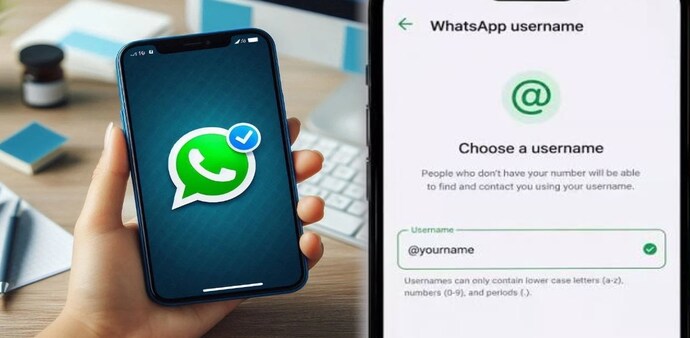
The Meta-owned messaging platform is introducing optional usernames that will allow users to connect without sharing their phone numbers—a move the company says is designed to improve privacy. But even before its wider rollout, the feature has triggered concerns over identity theft, digital "land grabbing," and the growing challenge of verifying online identities.
Advertisement
For the first time, WhatsApp users will be able to create a unique username to start conversations or join groups instead of revealing their mobile numbers. The company says usernames are entirely optional and independent of users' Instagram or Facebook identities.
To reduce spam, WhatsApp will require users to set a four-digit "username key" or PIN that someone must enter before initiating a chat through the username. Usernames will be between three and 35 characters, while celebrities, public figures and major organisations are expected to receive pre-reserved handles to reduce impersonation risks.
Meta argues the feature gives users greater control over their personal information, especially when interacting with strangers or participating in large public groups.
Must read: WhatsApp Usernames are here: Here's how to reserve yours before someone else does
Advertisement
Fears of identity theft and scams
Despite these safeguards, several prominent entrepreneurs believe the feature could inadvertently fuel a new wave of cyber fraud.
Entrepreneur and content creator Ankur Warikoo described the rollout as a potential "disaster" unless Meta enforces robust anti-abuse measures. He warned that fraudsters could register deceptively similar usernames—such as slight variations of well-known personalities—to impersonate them and target unsuspecting users with investment or payment scams.
According to Warikoo, removing phone numbers from first interactions also removes an important layer of trust that many users rely on for quick verification, making less tech-savvy users particularly vulnerable.
"In a country such as India, this could be a disaster, if the right anti-abuse systems are not set up by WhatsApp. Imagine receiving a message from warikoo / awarikoo / ankurwarikooo / ankur_warikoo / a_warikoo / ankurwarikooofficial etc etc - soliciting money," Warikoo said in a post on X.
Advertisement
Paytm founder Vijay Shekhar Sharma echoed similar concerns, saying the coexistence of verified usernames alongside nearly identical unverified handles could confuse users and make impersonation easier.
Venture capitalist Rajeev Mantri viewed the feature from another perspective, arguing that usernames could help Meta strengthen links across its ecosystem of apps. He suggested the company may ultimately benefit from richer cross-platform identity mapping, improved advertising capabilities and greater user engagement.
Must Read: WhatsApp brings back a BBM-style idea: Usernames, PIN-like keys to replace phone number sharing
Rush to secure digital identities
The announcement has also triggered comparisons with the early days of internet domains and social media handles, where users raced to secure desirable names before others claimed them.
Comedian Vir Das mocked the inevitable scramble, joking about someone claiming the username "University" and poking fun at the flood of self-proclaimed experts analysing the feature before it has even launched widely.
Others, however, see practical benefits. Entrepreneur Sandeep Mall argued that hiding phone numbers behind usernames could significantly improve privacy, particularly for professionals, creators and users who regularly communicate with unfamiliar people.
Government scrutiny
Advertisement
The debate has also caught the attention of policymakers.
According to reports, the Centre plans to closely examine WhatsApp's username-based messaging system amid concerns that it could complicate cybercrime investigations and provide new avenues for scammers. The government is expected to assess the feature's privacy and security implications and may seek clarifications from Meta if necessary.
The scrutiny comes as India continues to witness a sharp rise in digital frauds, impersonation scams and financial cybercrime.
As Meta prepares for a phased global rollout, WhatsApp usernames could fundamentally change how over two billion people identify themselves online. Whether they become a privacy-enhancing innovation or the next battleground for digital identity theft may ultimately depend on how effectively Meta prevents impersonation, educates users and responds to emerging abuse.
For Unparalleled coverage of India's Businesses and Economy – Subscribe to Business Today Magazine
WhatsApp's biggest identity overhaul since its launch is already dividing opinion, with entrepreneurs, creators and cybersecurity observers questioning whether the platform's upcoming username feature will strengthen user privacy or create fresh opportunities for impersonation and online fraud.
The Meta-owned messaging platform is introducing optional usernames that will allow users to connect without sharing their phone numbers—a move the company says is designed to improve privacy. But even before its wider rollout, the feature has triggered concerns over identity theft, digital "land grabbing," and the growing challenge of verifying online identities.
Advertisement
For the first time, WhatsApp users will be able to create a unique username to start conversations or join groups instead of revealing their mobile numbers. The company says usernames are entirely optional and independent of users' Instagram or Facebook identities.
To reduce spam, WhatsApp will require users to set a four-digit "username key" or PIN that someone must enter before initiating a chat through the username. Usernames will be between three and 35 characters, while celebrities, public figures and major organisations are expected to receive pre-reserved handles to reduce impersonation risks.
Meta argues the feature gives users greater control over their personal information, especially when interacting with strangers or participating in large public groups.
Must read: WhatsApp Usernames are here: Here's how to reserve yours before someone else does
Advertisement
Fears of identity theft and scams
Despite these safeguards, several prominent entrepreneurs believe the feature could inadvertently fuel a new wave of cyber fraud.
Entrepreneur and content creator Ankur Warikoo described the rollout as a potential "disaster" unless Meta enforces robust anti-abuse measures. He warned that fraudsters could register deceptively similar usernames—such as slight variations of well-known personalities—to impersonate them and target unsuspecting users with investment or payment scams.
According to Warikoo, removing phone numbers from first interactions also removes an important layer of trust that many users rely on for quick verification, making less tech-savvy users particularly vulnerable.
"In a country such as India, this could be a disaster, if the right anti-abuse systems are not set up by WhatsApp. Imagine receiving a message from warikoo / awarikoo / ankurwarikooo / ankur_warikoo / a_warikoo / ankurwarikooofficial etc etc - soliciting money," Warikoo said in a post on X.
Advertisement
Paytm founder Vijay Shekhar Sharma echoed similar concerns, saying the coexistence of verified usernames alongside nearly identical unverified handles could confuse users and make impersonation easier.
Venture capitalist Rajeev Mantri viewed the feature from another perspective, arguing that usernames could help Meta strengthen links across its ecosystem of apps. He suggested the company may ultimately benefit from richer cross-platform identity mapping, improved advertising capabilities and greater user engagement.
Must Read: WhatsApp brings back a BBM-style idea: Usernames, PIN-like keys to replace phone number sharing
Rush to secure digital identities
The announcement has also triggered comparisons with the early days of internet domains and social media handles, where users raced to secure desirable names before others claimed them.
Comedian Vir Das mocked the inevitable scramble, joking about someone claiming the username "University" and poking fun at the flood of self-proclaimed experts analysing the feature before it has even launched widely.
Others, however, see practical benefits. Entrepreneur Sandeep Mall argued that hiding phone numbers behind usernames could significantly improve privacy, particularly for professionals, creators and users who regularly communicate with unfamiliar people.
Government scrutiny
Advertisement
The debate has also caught the attention of policymakers.
According to reports, the Centre plans to closely examine WhatsApp's username-based messaging system amid concerns that it could complicate cybercrime investigations and provide new avenues for scammers. The government is expected to assess the feature's privacy and security implications and may seek clarifications from Meta if necessary.
The scrutiny comes as India continues to witness a sharp rise in digital frauds, impersonation scams and financial cybercrime.
As Meta prepares for a phased global rollout, WhatsApp usernames could fundamentally change how over two billion people identify themselves online. Whether they become a privacy-enhancing innovation or the next battleground for digital identity theft may ultimately depend on how effectively Meta prevents impersonation, educates users and responds to emerging abuse.
For Unparalleled coverage of India's Businesses and Economy – Subscribe to Business Today Magazine
Read more!