
WhatsApp Web to now log you out every 6 hours as per government directive
The Department of Telecommunications introduces a six-hour limit for desktop sessions of WhatsApp and Telegram, targeting scammers and digital fraud.
- Dec 1, 2025,
- Updated Dec 1, 2025 5:09 PM IST
The era of keeping WhatsApp Web permanently logged in on your desktop is drawing to a close, following a major new directive from the Indian government’s Department of Telecommunications (DoT). New cybersecurity rules will soon force messaging platforms, including WhatsApp, Signal, and Telegram, to automatically end desktop and web sessions every six hours.
The measure, mandated under the Telecommunication Cybersecurity Amendment Rules, 2025, is primarily intended to combat the rapid increase in digital fraud and cybercrime across the country. Government officials have noted that scammers frequently misuse the current system, which allows accounts to remain active even after the registered SIM card is removed or deactivated, often enabling fraudulent activity from outside the country.
To counter this, the DoT is introducing a strict "SIM binding" protocol. This means that messaging apps will be required to continuously verify that the registered, active SIM card is physically present in the user’s mobile phone. If the SIM is taken out or replaced, the mobile application will cease to function.
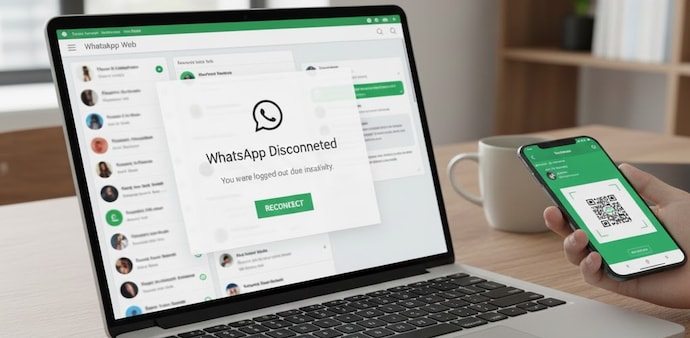
For users of WhatsApp Web or the desktop app, this translates to a mandatory, un-skippable logout at least every six hours. To regain access and continue chatting, the user will be forced to re-authenticate the session, typically by scanning a QR code with their mobile phone. This ensures that the person using the desktop client is the legitimate account holder who is in possession of the physical SIM card.
While the government argues the change is vital for safeguarding the telecom ecosystem and enhancing the traceability of criminals, some industry figures and users have raised concerns. They suggest that the measure, which must be implemented within ninety days, could disrupt professional workflows and introduce inconvenience, especially for employees who rely on seamless desktop messaging during work hours.
For Unparalleled coverage of India's Businesses and Economy – Subscribe to Business Today Magazine
The era of keeping WhatsApp Web permanently logged in on your desktop is drawing to a close, following a major new directive from the Indian government’s Department of Telecommunications (DoT). New cybersecurity rules will soon force messaging platforms, including WhatsApp, Signal, and Telegram, to automatically end desktop and web sessions every six hours.
The measure, mandated under the Telecommunication Cybersecurity Amendment Rules, 2025, is primarily intended to combat the rapid increase in digital fraud and cybercrime across the country. Government officials have noted that scammers frequently misuse the current system, which allows accounts to remain active even after the registered SIM card is removed or deactivated, often enabling fraudulent activity from outside the country.
To counter this, the DoT is introducing a strict "SIM binding" protocol. This means that messaging apps will be required to continuously verify that the registered, active SIM card is physically present in the user’s mobile phone. If the SIM is taken out or replaced, the mobile application will cease to function.
For users of WhatsApp Web or the desktop app, this translates to a mandatory, un-skippable logout at least every six hours. To regain access and continue chatting, the user will be forced to re-authenticate the session, typically by scanning a QR code with their mobile phone. This ensures that the person using the desktop client is the legitimate account holder who is in possession of the physical SIM card.
While the government argues the change is vital for safeguarding the telecom ecosystem and enhancing the traceability of criminals, some industry figures and users have raised concerns. They suggest that the measure, which must be implemented within ninety days, could disrupt professional workflows and introduce inconvenience, especially for employees who rely on seamless desktop messaging during work hours.
For Unparalleled coverage of India's Businesses and Economy – Subscribe to Business Today Magazine