
Xbox cuts 3,200 jobs: CEO Asha Sharma blames hardware slump, rising costs behind hard reset
Xbox says the sweeping overhaul is aimed at restoring profitability, flattening management, and preparing the gaming business for long-term growth after years of rising costs, slowing player engagement, and an industry-wide hardware slowdown.
- Jul 6, 2026,
- Updated Jul 6, 2026 8:54 PM IST
Microsoft's Xbox division is embarking on what it calls the most significant restructuring in its history, eliminating around 3,200 positions over fiscal year 2027 while spinning off or transferring ownership of several game studios in a sweeping attempt to reverse slowing growth and restore profitability.
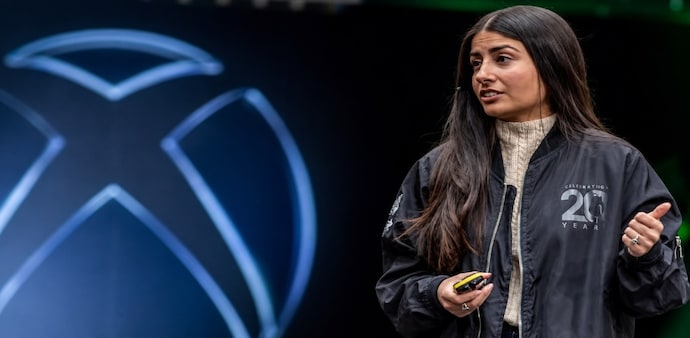
In an unusually candid memo to employees (shared on X), Xbox Executive Vice-President and CEO Asha Sharma acknowledged that the gaming business has expanded faster than its financial performance justified. The restructuring, she said, is designed not as a retreat from gaming but as a reset that will allow Xbox to compete more effectively in an industry undergoing profound change.
Why Xbox believes it has to change
The memo paints a picture of a business squeezed by mounting costs and slower-than-expected returns.
According to Sharma, Xbox currently operates with profit margins that are three to ten times lower than comparable platform and publishing businesses. While the company aggressively invested in Game Pass, multi-platform publishing and studio acquisitions over the past several years, those bets failed to generate growth at the pace executives had anticipated.
Instead, Xbox found itself with a larger workforce, higher operating costs and weakening core hardware sales.
The company also described the gaming industry as being in "the most severe hardware crisis in its history," making it increasingly difficult to rely on traditional console growth.
Thousands of jobs to go
The restructuring will unfold throughout fiscal year 2027. Around 1,600 employees will lose their jobs immediately, with additional reductions bringing total layoffs to approximately 3,200 positions.
The cuts will affect teams across:
- Xbox Game Studios
- Activision
- Bethesda/ZeniMax
- Blizzard
- King
- Mojang
Xbox stressed that none of its publicly announced first-party games are being cancelled as part of the restructuring.
Several studios are leaving Xbox
One of the biggest surprises in the announcement is Microsoft's decision to reduce the size of its internal studio portfolio.
Instead of continuing to own dozens of developers, Xbox plans to let some studios operate independently while others move to new ownership.
The changes include:
- Compulsion Games returning to independent management while retaining its intellectual property and future development plans.
- Double Fine Productions also becoming an independent studio with control over its catalogue.
- Ninja Theory entering new ownership arrangements while continuing work on the Senua franchise.
- Undead Labs moving toward new ownership with funding to complete State of Decay 3.
- Arkane in France beginning consultations over possible strategic options.
The company argued that it is no longer practical — or even desirable — to own every promising studio as independent game development continues to flourish worldwide.
Flattening the organisation
Beyond layoffs, Xbox plans to overhaul how decisions are made. According to Sharma, some parts of the company currently require work to pass through as many as 14 layers of management, creating slower decision-making and blurred accountability.
The new structure aims to reduce management layers to five at most — and ideally three — while emphasizing individual contributors, technically involved managers, and clearly assigned decision-makers.
The company also plans to simplify engineering operations, share more internal services and reduce vendor spending by roughly 50 percent.
A new operating model
As part of the restructuring, Xbox is creating a new Chief Operating Officer role with responsibility across content, hardware, platform and services.
Veteran executive Helen Chiang, best known for leading Mojang and overseeing the Minecraft franchise, has been promoted to the position.
Meanwhile, Mojang and King will report directly to Sharma, reflecting their growing importance as large gaming platforms with hundreds of millions of active players rather than traditional game studios.
Acquisitions alone weren't enough
Perhaps the most striking aspect of Sharma's message is its frank assessment of Xbox's acquisition strategy.
Since 2018, Microsoft spent tens of billions of dollars expanding its gaming portfolio, bringing studios such as Bethesda and Activision Blizzard under its umbrella while dramatically increasing its development capacity.
Yet Sharma acknowledged that owning more studios did not automatically translate into stronger business performance. She revealed that, in a typical year, Xbox lost 64 cents for every dollar invested across parts of its studio portfolio.
The company now believes it can better support the broader gaming ecosystem by providing development tools, distribution and audiences rather than trying to own every successful developer.
Difficult moment for the gaming industry
Xbox's restructuring reflects broader pressures facing the global gaming business.
After record growth during the pandemic, hardware sales have slowed, development costs have surged and competition has intensified as thousands of new titles launch every month across consoles, PCs and mobile devices.
Publishers are increasingly balancing blockbuster franchises with subscription services, cloud gaming and multi-platform releases while trying to manage rising production budgets.
The result has been repeated waves of layoffs across the industry over the past two years, with studios reassessing expansion plans and focusing on profitability.
Looking beyond the cuts
Despite announcing one of the largest restructurings in Xbox's history, Sharma insisted the company is not shrinking its ambitions. Xbox plans to maintain record investment levels this year while directing capital more selectively toward projects with stronger commercial potential.
The long-term goal remains unchanged: turning Xbox into a platform capable of entertaining more than one billion people every day through games, services and creator tools.
Sharma closed the memo with a warning that many long-established companies fail because they mistake longevity for inevitability.
For Unparalleled coverage of India's Businesses and Economy – Subscribe to Business Today Magazine
Microsoft's Xbox division is embarking on what it calls the most significant restructuring in its history, eliminating around 3,200 positions over fiscal year 2027 while spinning off or transferring ownership of several game studios in a sweeping attempt to reverse slowing growth and restore profitability.
In an unusually candid memo to employees (shared on X), Xbox Executive Vice-President and CEO Asha Sharma acknowledged that the gaming business has expanded faster than its financial performance justified. The restructuring, she said, is designed not as a retreat from gaming but as a reset that will allow Xbox to compete more effectively in an industry undergoing profound change.
Why Xbox believes it has to change
The memo paints a picture of a business squeezed by mounting costs and slower-than-expected returns.
According to Sharma, Xbox currently operates with profit margins that are three to ten times lower than comparable platform and publishing businesses. While the company aggressively invested in Game Pass, multi-platform publishing and studio acquisitions over the past several years, those bets failed to generate growth at the pace executives had anticipated.
Instead, Xbox found itself with a larger workforce, higher operating costs and weakening core hardware sales.
The company also described the gaming industry as being in "the most severe hardware crisis in its history," making it increasingly difficult to rely on traditional console growth.
Thousands of jobs to go
The restructuring will unfold throughout fiscal year 2027. Around 1,600 employees will lose their jobs immediately, with additional reductions bringing total layoffs to approximately 3,200 positions.
The cuts will affect teams across:
- Xbox Game Studios
- Activision
- Bethesda/ZeniMax
- Blizzard
- King
- Mojang
Xbox stressed that none of its publicly announced first-party games are being cancelled as part of the restructuring.
Several studios are leaving Xbox
One of the biggest surprises in the announcement is Microsoft's decision to reduce the size of its internal studio portfolio.
Instead of continuing to own dozens of developers, Xbox plans to let some studios operate independently while others move to new ownership.
The changes include:
- Compulsion Games returning to independent management while retaining its intellectual property and future development plans.
- Double Fine Productions also becoming an independent studio with control over its catalogue.
- Ninja Theory entering new ownership arrangements while continuing work on the Senua franchise.
- Undead Labs moving toward new ownership with funding to complete State of Decay 3.
- Arkane in France beginning consultations over possible strategic options.
The company argued that it is no longer practical — or even desirable — to own every promising studio as independent game development continues to flourish worldwide.
Flattening the organisation
Beyond layoffs, Xbox plans to overhaul how decisions are made. According to Sharma, some parts of the company currently require work to pass through as many as 14 layers of management, creating slower decision-making and blurred accountability.
The new structure aims to reduce management layers to five at most — and ideally three — while emphasizing individual contributors, technically involved managers, and clearly assigned decision-makers.
The company also plans to simplify engineering operations, share more internal services and reduce vendor spending by roughly 50 percent.
A new operating model
As part of the restructuring, Xbox is creating a new Chief Operating Officer role with responsibility across content, hardware, platform and services.
Veteran executive Helen Chiang, best known for leading Mojang and overseeing the Minecraft franchise, has been promoted to the position.
Meanwhile, Mojang and King will report directly to Sharma, reflecting their growing importance as large gaming platforms with hundreds of millions of active players rather than traditional game studios.
Acquisitions alone weren't enough
Perhaps the most striking aspect of Sharma's message is its frank assessment of Xbox's acquisition strategy.
Since 2018, Microsoft spent tens of billions of dollars expanding its gaming portfolio, bringing studios such as Bethesda and Activision Blizzard under its umbrella while dramatically increasing its development capacity.
Yet Sharma acknowledged that owning more studios did not automatically translate into stronger business performance. She revealed that, in a typical year, Xbox lost 64 cents for every dollar invested across parts of its studio portfolio.
The company now believes it can better support the broader gaming ecosystem by providing development tools, distribution and audiences rather than trying to own every successful developer.
Difficult moment for the gaming industry
Xbox's restructuring reflects broader pressures facing the global gaming business.
After record growth during the pandemic, hardware sales have slowed, development costs have surged and competition has intensified as thousands of new titles launch every month across consoles, PCs and mobile devices.
Publishers are increasingly balancing blockbuster franchises with subscription services, cloud gaming and multi-platform releases while trying to manage rising production budgets.
The result has been repeated waves of layoffs across the industry over the past two years, with studios reassessing expansion plans and focusing on profitability.
Looking beyond the cuts
Despite announcing one of the largest restructurings in Xbox's history, Sharma insisted the company is not shrinking its ambitions. Xbox plans to maintain record investment levels this year while directing capital more selectively toward projects with stronger commercial potential.
The long-term goal remains unchanged: turning Xbox into a platform capable of entertaining more than one billion people every day through games, services and creator tools.
Sharma closed the memo with a warning that many long-established companies fail because they mistake longevity for inevitability.
For Unparalleled coverage of India's Businesses and Economy – Subscribe to Business Today Magazine