
Shubman Gill spotted wearing Deepinder Goyal’s Temple during Ind vs NZ match; What are ICC rules on wearables
Temple is a wearable health and performance-monitoring device designed to track changes in cerebral blood flow, or the movement of blood through the brain
- Nov 4, 2026,
- Updated Nov 4, 2026 3:47 PM IST
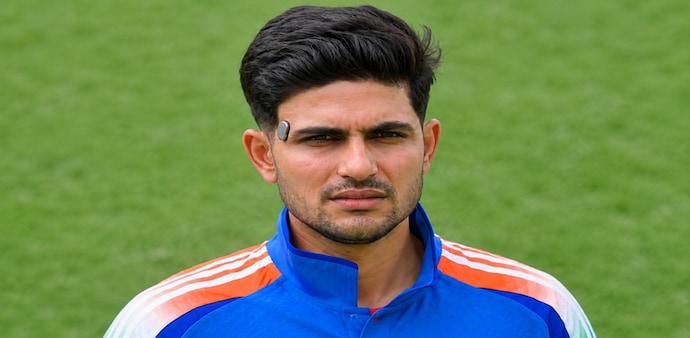
India captain Shubman Gill grabbed attention during the first ODI against New Zealand at Eden Park in Auckland after he was spotted wearing a 'Temple' device on the side of his forehead.
Developed by a team associated with Zomato founder Deepinder Goyal, the gadget has sparked curiosity among cricket fans, particularly over its purpose and whether such devices are permitted during international matches.
Gill had previously been seen wearing the device during India's training sessions ahead of the ODI series. However, its appearance during the opening overs of the match brought the wearable into the spotlight, raising questions about the International Cricket Council's (ICC) regulations governing tracking devices and wearable technology.
What is Deepinder Goyal's Temple Device?
Temple is a wearable health and performance-monitoring device designed to track changes in cerebral blood flow, or the movement of blood through the brain. It uses optical sensors and a technology called BrainFlow to collect physiological signals that may provide insights into how the body responds to physical activity, stress and mental workload.
The device also offers an Entropy score intended to indicate changes in physiological strain. Such information could potentially help athletes and performance teams understand patterns associated with exertion and recovery.
Unlike conventional fitness bands that primarily monitor metrics such as heart rate, movement and sleep, Temple focuses on signals associated with cerebral blood flow and physiological responses. However, its readings should not be interpreted as a definitive measure of sporting performance or medical fitness.
Gill is not the first Indian sportsperson to be spotted wearing the device. Badminton star PV Sindhu has also been seen using Temple during international competitions.
DON'T MISS: Temple pre-orders go live! Deepinder Goyal says wearable outperforms Apple Watch in internal study
What are ICC rules on tracking devices during matches?
The ICC regulates technology and equipment used by players through its playing conditions, clothing and equipment regulations, and anti-corruption framework. The key considerations include whether a device has communication capabilities, whether it complies with equipment rules and whether its use has been authorised.
Under the ICC's Player and Match Officials Area (PMOA) regulations, communication devices such as mobile phones and internet-connected devices are prohibited in restricted areas, subject to specified exceptions. These rules are designed to protect the integrity of the game and prevent unauthorised communication.
Non-communicating performance-monitoring devices may be treated differently from gadgets capable of transmitting or receiving information. However, their use during an international match depends on the applicable regulations and any required approval.
ALSO READ: Deepinder Goyal says Temple beats Apple Watch Series 12, but urges some buyers to wait
Can cricketers wear fitness trackers during live matches?
The distinction is between a passive monitoring device and one capable of communication or transmitting data. A wearable that only collects physiological information may raise different regulatory questions from a device that can send or receive information during play.
The ICC's clothing and equipment rules also govern commercial branding on players' equipment and apparel. Consequently, the presence of a visible brand on a wearable can raise separate compliance questions.
For Unparalleled coverage of India's Businesses and Economy – Subscribe to Business Today Magazine